Which Exchanges Offer the Lowest Fees for Trading Crypto Derivatives Today?
Compare crypto derivatives exchange fees, including maker, taker, funding, and trading costs across Binance, Bybit, OKX, Bitget, and Delta Exchange.
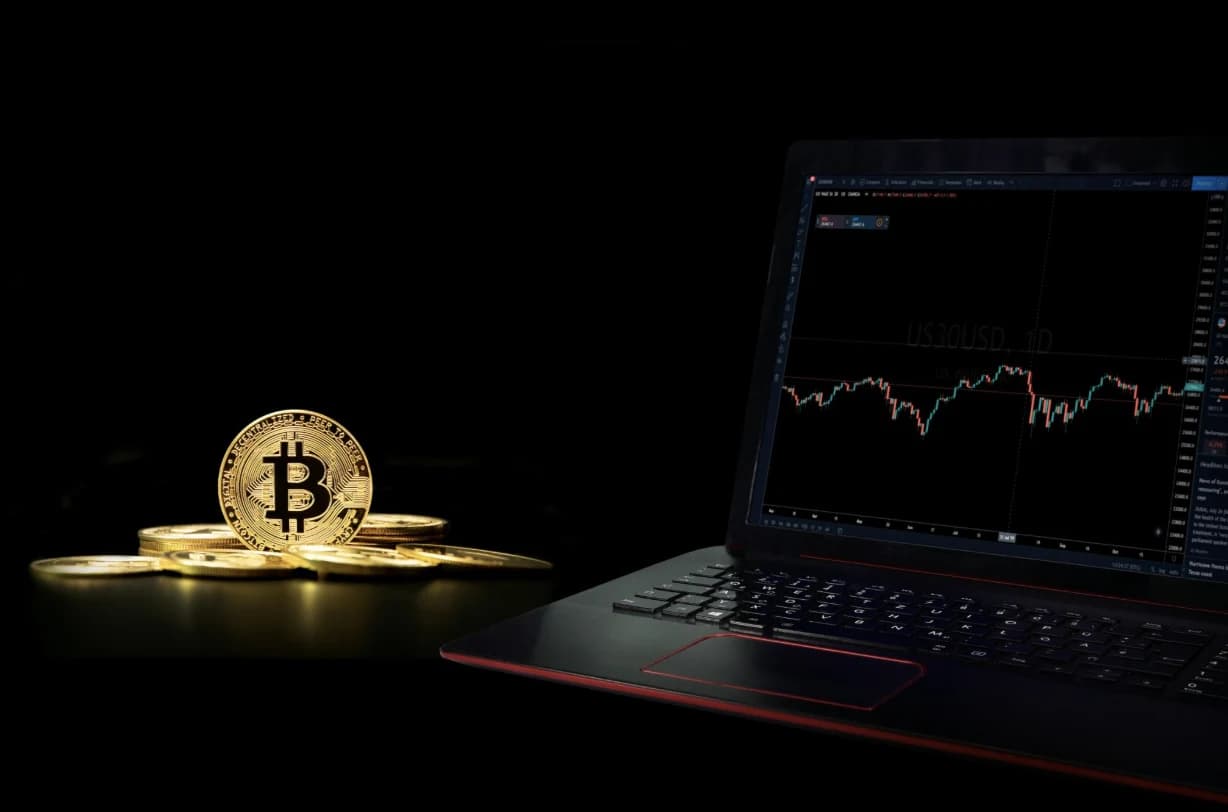
The crypto derivatives market has grown rapidly, and as more platforms compete for traders, fees have become one of the sharpest points of differentiation. For active traders, even a small cost difference compounds significantly over hundreds of trades, especially when choosing a crypto trading platform for long-term derivatives activity.
But fees are rarely just one number. Between maker and taker charges, funding rates, withdrawal costs, and slippage, the actual cost of trading often looks quite different from what the homepage advertises.
This article breaks down key fee considerations and reviews several crypto derivatives exchanges commonly used by traders today.
Key Takeaways
- Low trading fees can meaningfully affect long-term trading costs for active traders.
- Headline fees rarely tell the full story; liquidity and spreads also matter.
- Funding rates on perpetual contracts can outweigh trading fees on longer holds.
- Fee structures are one of several factors traders evaluate when comparing crypto derivatives exchanges.
What Fees Do Crypto Derivatives Traders Actually Pay?
Maker vs taker fees: Maker fees apply when your order sits on the book and adds liquidity. Taker fees apply when you fill an existing order. Taker rates are almost always higher.
Funding fees: On perpetual futures, these are exchanged between longs and shorts every eight hours. They can be positive or negative and sometimes cost more than the trading fee itself.
Withdrawal and liquidation charges: Often overlooked, these can be meaningful during high-volatility periods when positions are closing frequently.
Spread and slippage: On low-liquidity platforms, the gap between bid and ask can silently cost more than the stated fee, especially on larger orders.
Examples of Crypto Exchanges and Their Derivatives Fee Structures
Delta Exchange
Delta Exchange is a derivatives-focused platform that offers crypto futures and options products for eligible users.
- Futures maker fee: 0.02%, taker fee: 0.05%.
- Options trading fees may be lower than futures fees depending on the product.
- Volume-based discounts are available for qualifying traders.
- Funding fees on perpetual contracts vary according to market conditions.
Binance
Binance is a crypto trading platform offering futures and perpetual contracts across a wide range of digital assets.
- Futures maker fee: 0.02%, taker fee: 0.04%.
- Users may receive fee discounts through platform-specific programs.
- VIP tiers provide additional fee reductions based on eligibility requirements.
- Funding rates are updated periodically and publicly displayed.
Bybit
Bybit is a crypto derivatives platform offering perpetual contracts, options, and copy trading features. The platform is widely used for high-volume crypto leverage trading strategies.
- Futures maker fee: 0.01%.
- Taker fee: 0.06%.
- Fee schedules may vary by product type and account tier.
- Reduced fees may be available for higher-volume traders.
OKX
OKX is a crypto derivatives exchange offering futures, perpetuals, and options products.
- Standard futures maker fee: 0.02%, taker fee: 0.05%.
- Tiered discounts are available based on trading activity and eligibility requirements.
- Options trading uses a separate fee schedule.
- Portfolio margin features are available for eligible users.
Bitget
Bitget combines derivatives trading with copy trading functionality and supports a range of perpetual and quarterly futures contracts.
- Futures maker fee: 0.02%, taker fee: 0.06%.
- Platform-specific token programs may provide fee discounts.
- Copy trading is available alongside standard futures trading.
- VIP programs may offer lower fees for qualifying users.
The Bottomline
Low fees are worth considering, but they should not be evaluated in isolation. A crypto trading platform with slightly higher fees but stronger liquidity, efficient execution, and robust risk-management tools may provide a different overall trading experience. Traders focused on crypto leverage trading should consider liquidity, execution quality, available products, and platform features alongside fee schedules.
The most suitable crypto derivatives exchange will depend on individual trading objectives, preferred instruments, regional availability, risk tolerance, and trading style.
Traders should independently evaluate exchanges based on fees, liquidity, product availability, risk-management tools, and regional accessibility before choosing a platform.
Disclaimer: This article is for informational purposes only and does not constitute financial or investment advice.
FAQs
What are maker and taker fees in crypto derivatives trading?
Maker fees apply when you add liquidity by placing a limit order. Taker fees apply when you fill an existing order. Taker rates are typically higher across many crypto trading platforms.
Do low trading fees guarantee better profitability?
Not on their own. Spreads, slippage, and funding rates often have a larger impact than the stated fee, particularly for traders holding positions overnight.
What hidden costs should crypto derivatives traders watch for?
Funding fees on perpetual contracts, withdrawal charges, liquidation costs, and spreads on low-liquidity pairs are among the expenses traders often evaluate when comparing platforms.
Which factors matter most when choosing a crypto derivatives exchange?
Fee structure, liquidity depth, execution quality, leverage availability, supported products, security practices, and regional accessibility are all factors traders commonly consider when evaluating exchanges.


Follow us on Google News
Get the latest crypto insights and updates.
Related Posts
How to Play Roulette Games With Crypto: Rules, Wallets, Bets and Safe Play Guideimage

Coinfomania News Room
Author

Bridging Two Worlds: How ZEN.COM Streamlines Digital and Traditional Capital Flows
Coinfomania News Room
Author
Crypto Casinos in Belgium: How They Work, and What the Law Says In 2026
Coinfomania News Room
Author