Tether Launches Open-Source Local AI SDK

Tether launches QVAC SDK for local AI as CEO Paolo Ardoino calls centralized AI a dead end, pushing toward decentralized intelligence.
Quick Take
Summary is AI generated, newsroom reviewed.
Tether CEO calls centralized AI a “dead end”
Launches QVAC SDK for local AI execution
Enables AI to run on phones, laptops, and devices
Paolo Ardoino, CEO of Tether, has made a bold statement, calling centralized AI a “dead end.” This directly challenges the current landscape dominated by large tech companies that rely heavily on cloud-based infrastructure.
LATEST: 🤖 Tether CEO Paolo Ardoino says centralized AI is "a dead end" as the company launches QVAC SDK, an open-source toolkit for running AI locally on any device. pic.twitter.com/hfUOE9NoLH
— CoinMarketCap (@CoinMarketCap) April 10, 2026
With this stance, Tether signals a shift in vision—one that aligns more closely with decentralization, user ownership, and independence from centralized control. It reflects a growing debate in the tech world about who should control data, intelligence, and computing power.
QVAC SDK and the Shift to Local AI
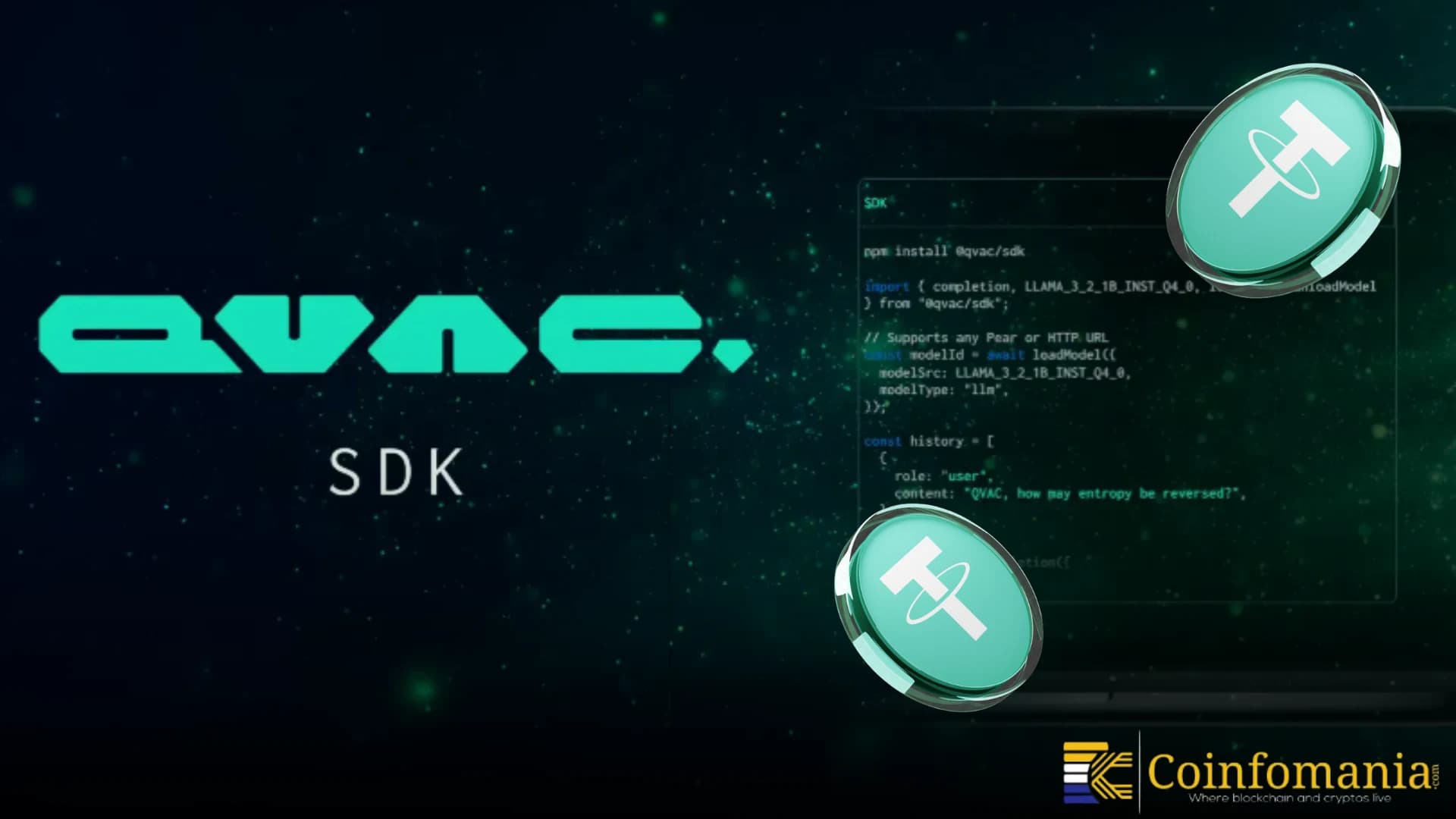
To support this vision, Tether has introduced the QVAC SDK, an open-source toolkit designed to run AI models locally on user devices. Instead of relying on remote servers, this approach allows AI to function directly on smartphones, laptops, and edge devices.
This marks a significant departure from traditional AI systems, where data must be sent to centralized servers for processing. By keeping computation local, QVAC enables greater privacy, full control over data, and reduced dependence on third-party platforms. In some cases, it can also improve speed by eliminating the need for constant internet communication.
The approach mirrors the philosophy behind crypto—removing intermediaries and giving users direct ownership of their digital experience. It also opens the door for developers to build AI applications without strict platform restrictions.
Crypto, AI, and the Future of Decentralized Intelligence
Tether’s move signals broader ambitions beyond stablecoins. By entering the AI infrastructure space, the company positions itself at the intersection of two rapidly evolving industries—blockchain and artificial intelligence.
The long-term vision points toward a network of autonomous AI agents, billions of connected devices, and decentralized intelligence systems operating without centralized oversight. If successful, this model could challenge the dominance of cloud-based AI providers and reshape how intelligent systems are built and deployed. This development highlights a larger industry trend. As AI continues to expand, questions around privacy, control, and centralization are becoming more critical. Tools like QVAC represent an alternative path—one where intelligence is distributed rather than controlled by a few entities.
References


Follow us on Google News
Get the latest crypto insights and updates.