Quantum Computing Threatens Bitcoin Security, Experts Warn

Experts warn quantum computing could threaten Bitcoin security. Insights from Stanford's Dan Boneh highlight urgent upgrade needs.

Quick Take
Summary is AI generated, newsroom reviewed.
Quantum computing may soon threaten Bitcoin and Ethereum's cryptography.
Stanford's Dan Boneh discusses potential blockchain signature upgrades.
The need for quantum-safe signatures is becoming urgent.
Recent discussions have surfaced critical concerns regarding quantum computing’s potential to undermine Bitcoin’s security. A lecture by Stanford cryptographer Dan Boneh, shared by a16z, delves into this issue, emphasizing the need for urgent upgrades to blockchain signatures. As quantum technology advances, understanding and addressing these risks will be crucial for the future of Bitcoin and Ethereum.
The Latest
Bitcoin is once again at the forefront of discussions regarding its long-term security amidst the rise of quantum computing technologies. During a recent lecture, Dan Boneh outlined how a sufficiently powerful quantum computer could forge signatures used in Bitcoin and Ethereum transactions. This revelation raises questions about the necessity for blockchain networks to adopt quantum-resistant signature methods, prompting a reevaluation of current cryptographic practices that underpin digital currencies.
At a Glance
- 1. Quantum computing poses a potential threat to Bitcoin and Ethereum’s cryptography as discussed by experts. 2. A powerful quantum computer could forge transaction signatures, undermining blockchain integrity. 3. Upgrading to hash-based signatures is proposed to mitigate these risks. 4. Boneh’s lecture emphasizes urgency in preparing for quantum threats. 5. The implications extend to ownership proof and abandoned coins in Bitcoin’s ecosystem.
Market Pulse
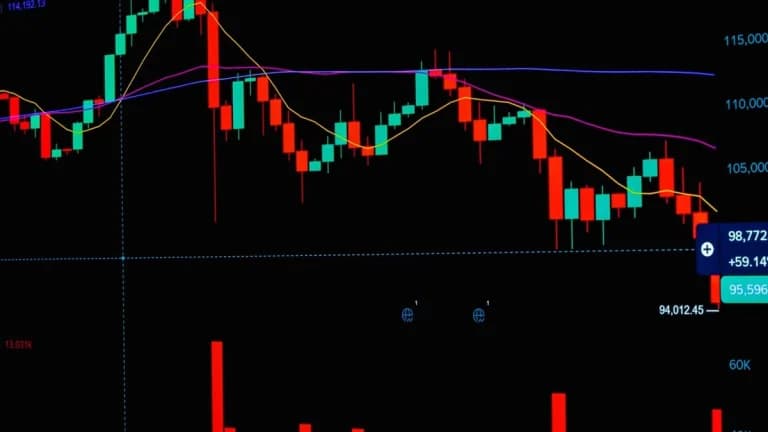
Current market conditions reflect apprehension as Bitcoin’s price remains under pressure, with recent trading volumes tapering down. The ongoing discussions about quantum threats may contribute to traders’ caution in the market. With Bitcoin’s resilience being tested around the $65,000 mark, the potential disruption from quantum computing could further influence trader sentiment as they assess the viability of current security measures.
Bitcoin operates as a decentralized digital currency that relies on cryptographic techniques for security and transaction verification. The jurisdiction over Bitcoin’s security measures primarily falls under the purview of blockchain experts and cryptographers, making insights from institutions like Stanford highly relevant as they address the potential impact of emerging technologies like quantum computing.
Eyes on These Levels
Traders should keep a close eye on developments related to quantum computing and blockchain upgrades. The ongoing discussions could spark a wave of innovation as developers explore quantum-safe solutions to enhance Bitcoin’s security. Understanding how these changes may affect Bitcoin’s price and adoption will be crucial as the market navigates potential vulnerabilities.
This article does not constitute financial advice.
References


Follow us on Google News
Get the latest crypto insights and updates.