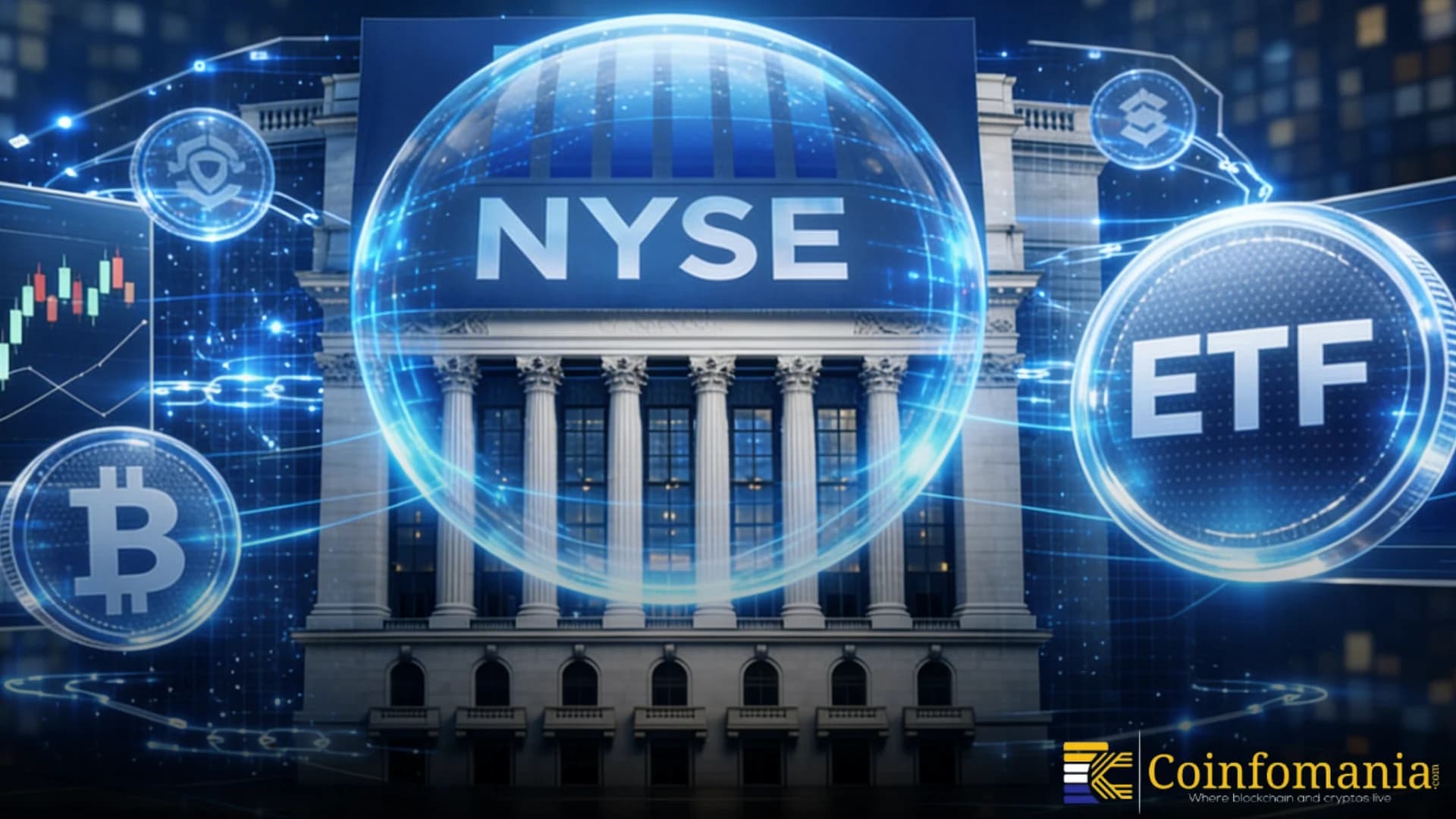
NYSE’s Blockchain Move Could Change How You Invest

NYSE files with the SEC to enable tokenized stock and ETF trading under DTC’s pilot. Here’s what it means for investors and traders.
Quick Take
Summary is AI generated, newsroom reviewed.
New York Stock Exchange has filed a rule change with the U.S. Securities and Exchange Commission to allow tokenized versions of stocks and ETFs to trade under DTC’s three-year blockchain pilot.
Eligible securities—including major equities and ETFs—would keep the same ticker, same CUSIP, same shareholder rights, and still settle through existing T+1 infrastructure.
Tokenized and traditional shares would trade on the same order book, meaning no liquidity fragmentation.
For investors, this could eventually unlock faster asset mobility and 24/7 capital efficiency. For developers, it may be one of the strongest TradFi validation signals blockchain has seen yet.
New York Stock Exchange filed a rule change proposal. It submitted this to the U.S. Securities and Exchange Commission. The proposal allows tokenized securities trading. These include stocks and ETFs on blockchain rails. If approved, settlement infrastructure will evolve significantly.
🚨NYSE FILES RULE CHANGE TO ENABLE TOKENIZED SECURITIES TRADING
— Coin Bureau (@coinbureau) May 3, 2026
The NYSE filed a proposal with the SEC to allow tokenized versions of eligible equities and ETFs to trade under DTC’s three-year tokenization pilot.
They would have the same ticker, same rights, and still settle in… pic.twitter.com/UEzrYYGtXC
This move signals a major industry shift. Wall Street is not being replaced by crypto. Instead, it is integrating blockchain technology internally. Therefore, traditional finance and blockchain are merging steadily.
What Exactly Is Changing
Under the proposal, major securities may be tokenized. These include assets from Russell 1000 and ETFs. They will operate under Depository Trust Company pilot.
Tokenized securities will maintain identical characteristics. They will match traditional shares fully. Key features include:
• Same ticker symbol
• Same CUSIP identifier
• Same shareholder rights
• Same economic exposure
• Same settlement framework
Therefore, tokenized shares behave like normal shares. The only difference lies in backend infrastructure.
What the DTC Tokenization Pilot Does
Depository Trust Company launched a three-year pilot program. It tests blockchain settlement within regulated systems. Importantly, it does not replace existing securities. Instead, it tokenizes current book-entry positions.
This approach keeps traditional custody structures intact. Meanwhile, blockchain represents ownership digitally. Key mechanics include:
• Original securities remain stored at DTC
• Blockchain tokens represent ownership rights
• Institutions transfer tokens between approved wallets
• Legal protections remain under existing laws
Therefore, regulators remain comfortable with the transition. It enables innovation without disrupting financial systems.
NYSE vs Nasdaq: Industry Shift Begins
Nasdaq moved earlier in tokenization efforts. It secured approval for similar frameworks previously. Now, NYSE joining expands the signal significantly.
This is no longer a single exchange experiment. Instead, it reflects a broader industry shift. When top exchanges adopt similar systems, institutions take notice. Therefore, blockchain integration becomes more credible and inevitable.
What This Means for Traders
Tokenization may reshape trading infrastructure gradually. It introduces new efficiencies in capital movement. Traders may benefit from improved flexibility and speed.
Potential advantages include:
• Better liquidity mobility
• Faster asset transfers
• Reduced capital friction
• Improved margin efficiency
• Cross-system collateral movement
Additionally, tokenized markets may enable new opportunities. These could include global liquidity access and programmable trading strategies. Therefore, market structures may evolve significantly.
What This Means for Long-Term Investors
For investors, this change focuses on infrastructure efficiency. Tokenization does not change asset exposure directly. However, it improves operational processes.
Potential long-term benefits include:
• Lower settlement costs
• Reduced operational risks
• Faster transaction execution
• Simplified custody systems
• Lower counterparty friction
Therefore, overall market efficiency may improve. Investors may experience smoother capital movement. Portfolios may look identical externally. However, blockchain may power them internally.
Why Developers Should Pay Attention
This shift creates strong demand for blockchain infrastructure. Institutions are adopting enterprise-level solutions. Therefore, developers gain new opportunities.
Key development areas include:
• Tokenized asset issuance platforms
• Institutional custody solutions
• Compliance and regulatory middleware
• Identity verification systems
• Settlement APIs and automation tools
This demand differs from retail-driven crypto trends. It reflects enterprise adoption with long-term stability. Therefore, builders may benefit significantly.
Final Thoughts on Wall Street Tokenization
This development reflects a major structural shift. Wall Street is adopting blockchain gradually. It is not replacing existing systems immediately. For traders, liquidity and structure may evolve. Whereas, for investors, efficiency and access may improve. For developers, opportunities may expand rapidly. Ultimately, blockchain may integrate into finance quietly. The next major innovation may come from traditional systems moving on-chain.
References


Follow us on Google News
Get the latest crypto insights and updates.