KRWQ On Solana Could Unlock Korea’s Missing Crypto Liquidity

Let’s uncover how KRWQ Solana expansion could reshape Korean crypto liquidity with faster execution and deeper onchain markets.
Quick Take
Summary is AI generated, newsroom reviewed.
KRWQ expanded to Solana to improve Korean won access in crypto markets.
The move targets deeper Korean won liquidity across decentralized finance.
Solana’s speed and low fees support faster onchain settlements.
The launch could strengthen Asian growth within onchain crypto markets.
The crypto industry continues to chase global liquidity. Yet one major currency still lacks strong representation across decentralized finance. The Korean won ranks among the world’s most traded currencies. However, traders rarely access meaningful Korean won liquidity inside blockchain ecosystems. That gap may finally start closing.
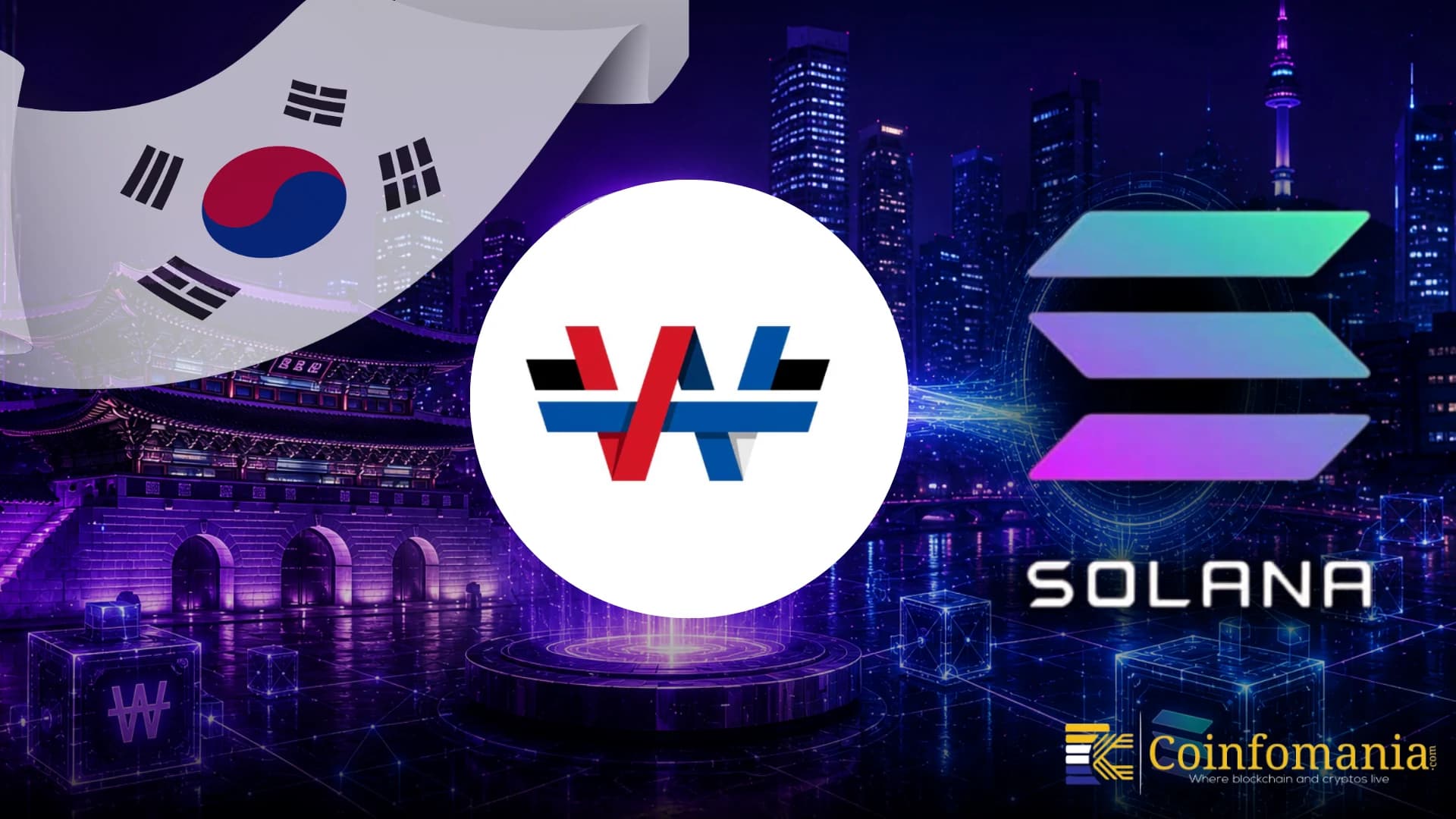
KRWQ recently announced its expansion to the Solana network. The move immediately caught industry attention after coverage from The Block. The project now plans to bring faster execution, deeper liquidity, and efficient Korean won markets directly onchain. This development could reshape how Asian traders interact with decentralized finance.
As featured on @TheBlockCo, KRWQ is expanding to @solana.
— KRWQ.cash (@KrwqCash) May 13, 2026
The Korean won is one of the most actively traded currencies in the world, but KRW liquidity has barely existed in crypto-native markets.
Fast execution. Deep liquidity. Korean won markets, onchain.
Read more:…
Why Korean Won Liquidity Matters In Crypto
South Korea remains one of the most active crypto markets worldwide. Retail participation stays extremely high across exchanges and digital assets. Korean traders often influence price action for major cryptocurrencies. Despite that influence, blockchain ecosystems still lack efficient Korean won infrastructure.
Most decentralized finance platforms focus heavily on the U.S. dollar. Stablecoins connected to dollar markets dominate trading pairs across chains. This imbalance limits regional participation from Asian markets. It also creates friction for traders seeking local currency exposure.
How Solana Strengthens KRWQ’s Ambitions
Solana continues gaining traction because of speed and low transaction costs. The network processes thousands of transactions quickly while keeping fees extremely low. These advantages make Solana attractive for payments, trading, and stablecoin activity.
KRWQ appears to recognize that advantage clearly. The project specifically highlighted fast execution and deep liquidity as core benefits. Those strengths align perfectly with Solana’s infrastructure.
The Solana stablecoin ecosystem already supports major decentralized exchanges and liquidity protocols. Adding KRWQ could strengthen regional diversity inside the ecosystem. It may also encourage developers to launch Korean-focused financial applications.
What This Means For The Solana Ecosystem
The expansion may deliver broader benefits beyond KRWQ alone. The Solana ecosystem already pushes aggressively into payments and stablecoins. KRWQ adds another important regional component to that strategy.
A stronger Solana stablecoin ecosystem could increase trading volume and network utility. More stablecoin options usually create healthier liquidity environments. They also encourage developers to launch localized decentralized applications.
The onchain crypto markets narrative also gains momentum through projects like KRWQ. Blockchain adoption grows faster when networks support real-world economic activity. Korean financial integration may represent a major milestone for that evolution.
Could KRWQ Trigger A Larger Asian Stablecoin Wave?
Regional stablecoins may become one of crypto’s next major growth areas. The industry already understands the power of dollar-backed assets. However, localized currencies could unlock entirely new user bases.
The growth of Korean won liquidity may encourage similar projects across Asia. Other countries could explore stablecoins tied to regional currencies and payment systems. That trend may accelerate blockchain adoption throughout the continent.
The KRWQ Solana expansion also arrives during growing discussions around real-world assets and tokenized finance. Stable regional currencies could support international settlements, remittances, and decentralized commerce.
Final Thoughts
KRWQ’s expansion to Solana could become a major moment for Asian crypto liquidity. The project directly targets a major gap inside decentralized finance. Korean won access has remained surprisingly limited despite South Korea’s enormous crypto influence.
The combination of faster execution, deep liquidity, and scalable infrastructure creates strong potential. The KRWQ Solana expansion may improve trading efficiency while opening new opportunities across decentralized finance.
At the same time, the move strengthens the broader Solana stablecoin ecosystem and expands access to onchain crypto markets. If adoption grows successfully, KRWQ could help reshape how regional currencies interact with blockchain technology worldwide.


Follow us on Google News
Get the latest crypto insights and updates.