Japan’s XRP ETF Push Gains Momentum With SBI Proposal

Japan’s SBI Holdings proposes Bitcoin and XRP ETFs for the Tokyo Stock Exchange following the nation's financial instrument reclassification.
Quick Take
Summary is AI generated, newsroom reviewed.
SBI planned a combined Bitcoin-XRP ETF and a diversified gold-crypto investment trust for local markets.
The proposal targets a substantial ¥5 trillion ($32 billion) in total assets under management within three years.
A landmark April 2026 legal amendment reclassified cryptocurrencies under the Financial Instruments and Exchange Act.
The financial group leverages its extensive institutional history with Ripple to lead Asia's regulated XRP adoption.
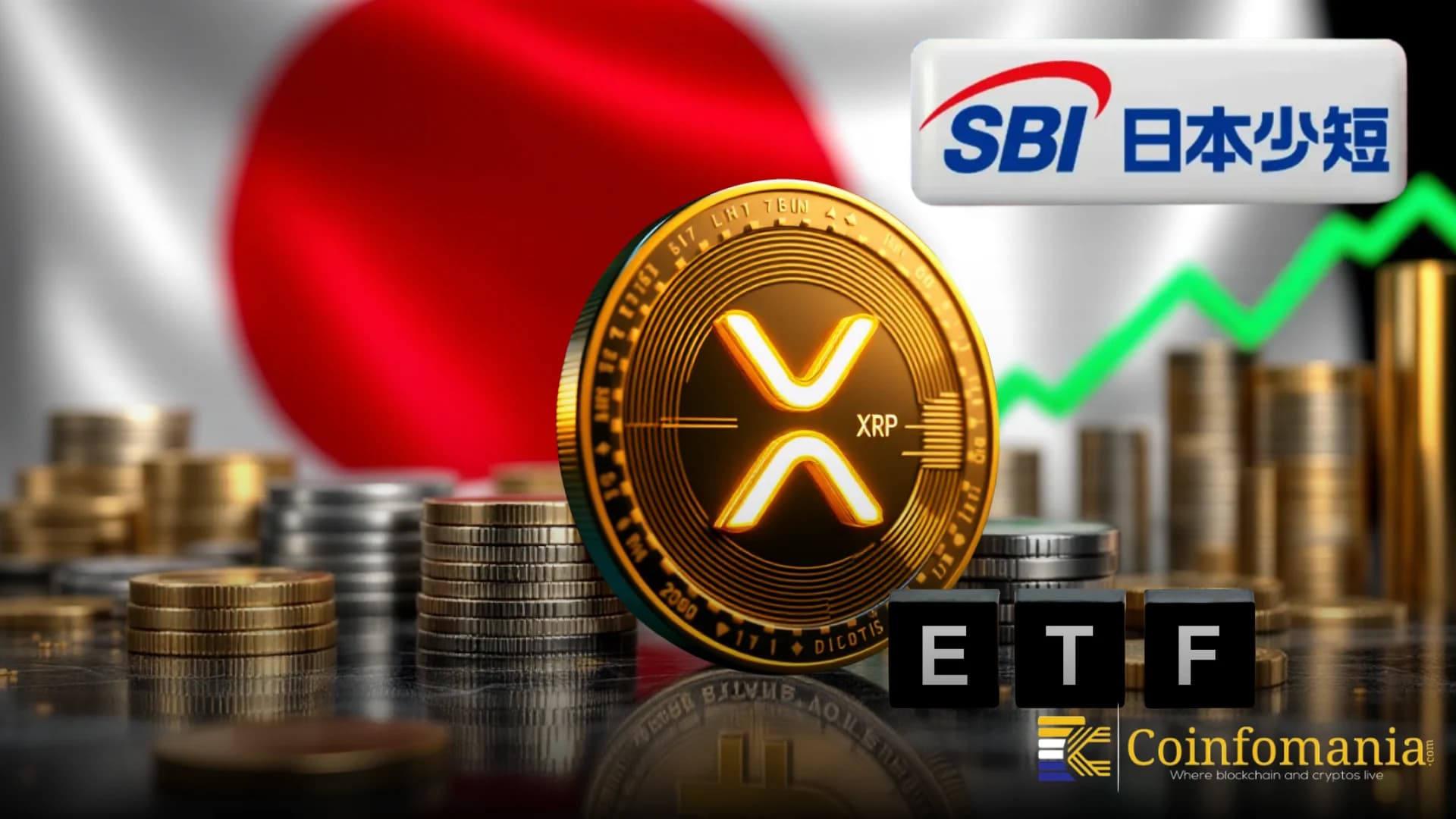
Japan’s regulated crypto market may be preparing for its biggest institutional expansion. Yet after financial giant SBI Holdings outlined plans for Bitcoin and XRP exchange-traded funds tied to the Tokyo Stock Exchange. The proposal reportedly includes a dedicated Bitcoin-XRP ETF alongside a hybrid gold-and-crypto investment trust. With SBI targeting roughly ¥5 trillion ($32 billion) in assets under management within three years of launch.
Japan Moves Toward XRP ETF
— BSCN (@BSCNews) May 19, 2026
Japanese financial giant SBI Holdings is preparing Bitcoin $BTC and $XRP ETFs for the Tokyo Stock Exchange, pending regulatory approval, per XRP community figure Xaif.
The proposal includes a dedicated SBI Bitcoin XRP ETF alongside a hybrid gold and… pic.twitter.com/apfNPEcS4d
The development comes shortly after Japan officially reclassified crypto assets as financial instruments under updated financial laws in April 2026. A major regulatory shift that could reshape institutional access to digital assets across the country. The latest Ripple XRP News Today surrounding Japan has intensified global attention on XRP’s growing role inside regulated financial products outside the United States.
SBI Plans Bitcoin and XRP ETF Products
According to community reports and SBI presentation materials circulating online. The company is exploring two major investment products for the Tokyo Stock Exchange. The first would be a direct Bitcoin and XRP ETF designed to give traditional investors regulated exposure to both digital assets through brokerage accounts. The second proposal involves a hybrid trust product combining gold exposure with crypto allocations. It aims to attract more conservative institutional and retail investors seeking diversified alternative assets.
The strategy reflects a broader push by SBI to bridge traditional finance and digital asset markets under Japan’s evolving regulatory framework. If approved, the ETFs would likely become some of the first major crypto exchange-traded products in Asia tied directly to XRP. The proposals remain subject to regulatory approval from Japan’s Financial Services Agency (FSA).
Japan’s Regulatory Shift Is Driving Momentum
Japan’s amended Financial Instruments and Exchange Act (FIEA), introduced in April 2026. It formally reclassified cryptocurrencies as financial instruments rather than merely speculative digital assets. The new framework introduced:
- Insider trading restrictions for crypto markets
- Stronger disclosure requirements
- Expanded oversight for exchanges and issuers
- Tighter investor protection standards
The changes effectively align crypto regulation more closely with traditional securities markets. For institutions, that clarity reduces one of the biggest barriers to adoption: regulatory uncertainty. It also positions Japan as one of the most advanced regulated crypto markets in Asia. At a time when several Western jurisdictions continue debating long-term crypto policy frameworks.
SBI’s XRP History Gives the Proposal Extra Weight
SBI is not entering the crypto industry as a newcomer. The financial group already operates SBI VC Trade and has maintained one of the longest institutional relationships with Ripple globally through previous payment and blockchain partnerships. That history makes the proposed XRP-focused products particularly notable.
Unlike firms experimenting cautiously with crypto exposure, SBI already possesses operational infrastructure. It includes custody experience and digital asset investment products inside Japan’s regulated environment. The company’s involvement also adds credibility to growing discussions around XRP ETF inflows today. While broader institutional demand for alternative crypto assets beyond Bitcoin alone.
What the Proposal Could Mean for XRP
If approved, the ETFs could open XRP exposure to large pools of Japanese institutional capital and household savings that currently remain outside direct crypto markets. That could improve:
- XRP liquidity in Japan
- Institutional participation
- Price discovery efficiency
- Long-term regulated adoption
Still, risks remain. Regulatory approval is not guaranteed, crypto volatility remains high, and execution timelines could stretch into 2027 or beyond. Even so, the proposal signals something important: the global XRP ETF race is no longer centered only on the United States. Japan may now be positioning itself as one of the next major battlegrounds for regulated crypto investment products.


Follow us on Google News
Get the latest crypto insights and updates.