Iran Closes Strait Of Hormuz Again As Bitcoin Drops Sharply

Let’s uncover how Strait of Hormuz closure impacts oil markets and crypto, why Bitcoin dropped sharply, and what comes next
Quick Take
Summary is AI generated, newsroom reviewed.
Strait of Hormuz closure disrupted global oil supply and triggered market uncertainty
Bitcoin price drop reflects risk-off sentiment during geopolitical tensions
Rising oil prices may impact inflation and global economic stability
Market direction depends on how geopolitical tensions evolve
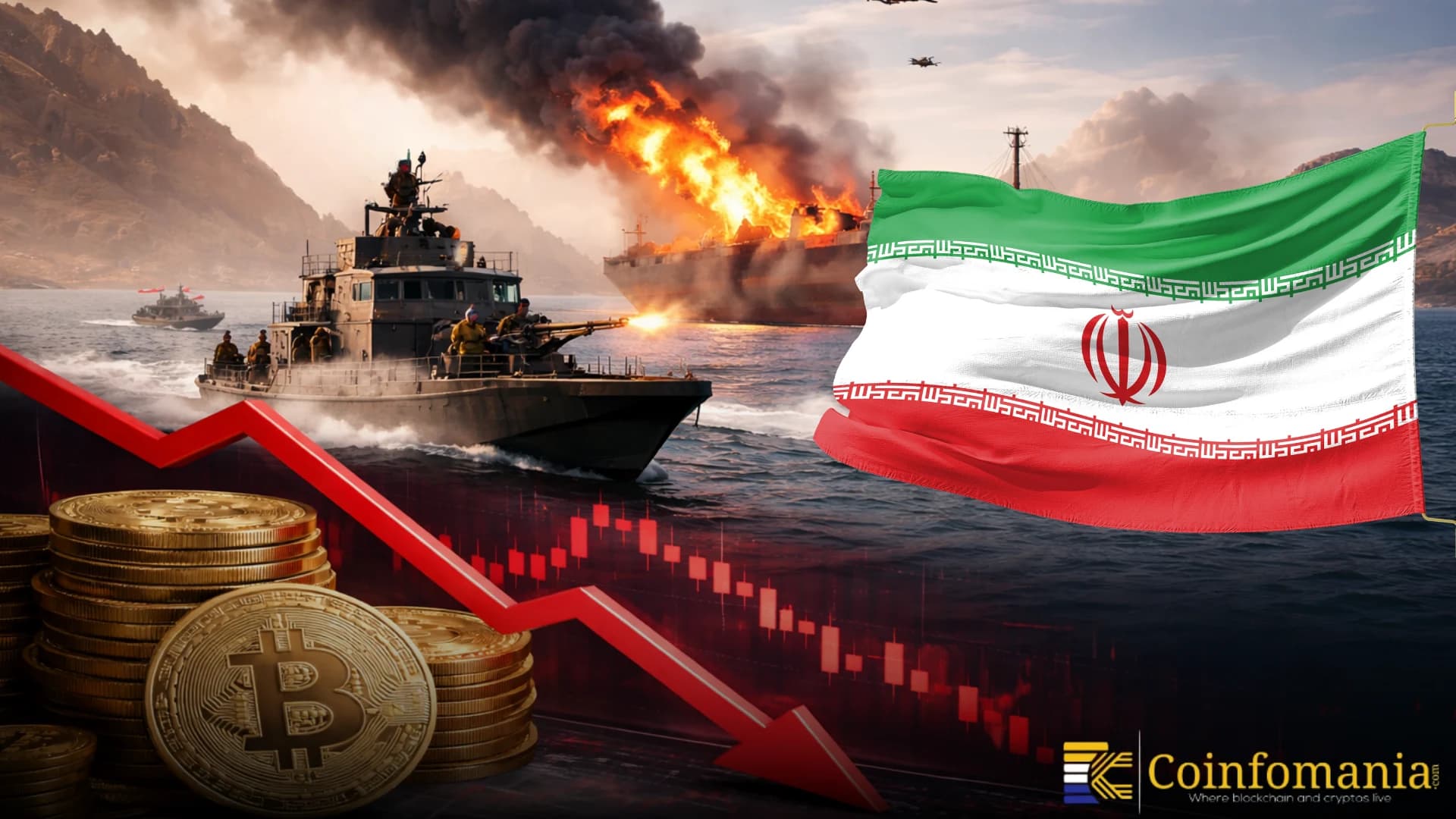
The Strait of Hormuz closure has once again sent shockwaves across global markets. This critical oil route connects the Persian Gulf to international waters and handles a major share of global oil supply. Any disruption here immediately raises concerns among investors, governments, and energy markets. The latest move by Iran signals rising geopolitical tensions and growing uncertainty across financial systems.
Iran’s military announced that the strait had “returned to its previous state” after the United States refused to lift restrictions on Iranian ports. This development has intensified fears of prolonged disruption in energy supply chains. Traders reacted quickly, pushing oil expectations higher while risk assets faced selling pressure. The Strait of Hormuz closure now stands as a key trigger behind recent volatility.
At the same time, the crypto market felt the heat. Bitcoin erased over half of its move toward the $78,000 mark, reflecting a broader shift in investor sentiment. When geopolitical tensions rise, investors often move toward safer assets. This pattern played out again as Bitcoin struggled to hold its recent gains amid uncertainty.
🚨 IRAN: STRAIT OF HORMUZ CLOSED AGAIN
— Coin Bureau (@coinbureau) April 18, 2026
The military said that the strait had "returned to its previous state" because the U.S. refused to lift its blockade of Iranian ports.
Bitcoin $BTC has now erased over 50% of its move toward $78K. pic.twitter.com/jekszhOYKn
Why Strait Of Hormuz Closure Matters For Global Stability
The Strait of Hormuz closure holds massive importance because nearly one-fifth of the world’s oil passes through this narrow channel. Any restriction or shutdown can disrupt the global oil supply instantly. Countries that depend on Middle Eastern oil feel the impact first, but ripple effects spread quickly worldwide.
Energy markets react sharply to such disruptions. Oil prices tend to rise due to supply fears, which then increases costs across industries. Transportation, manufacturing, and logistics sectors all face higher expenses. This chain reaction eventually affects consumers through rising fuel and product prices.
The current situation reflects more than just a temporary disruption. It highlights ongoing geopolitical tensions between Iran and the United States. These tensions create long-term uncertainty, which markets dislike. Investors respond by reducing exposure to risk assets and shifting toward safer investments.
Bitcoin Price Drop Reflects Risk-Off Sentiment
The Bitcoin price drop aligns closely with traditional market behavior during global uncertainty. When geopolitical tensions rise, investors prioritize capital preservation over high returns. This shift leads to selling pressure in volatile assets like cryptocurrencies.
Bitcoin had recently moved closer to the $78,000 level, showing strong bullish momentum. However, the Strait of Hormuz closure reversed this trend quickly. The market erased more than 50 percent of that upward move, signaling a loss of confidence among traders.
This decline does not reflect weakness in Bitcoin’s fundamentals. Instead, it shows how external macro events influence crypto markets. Even though Bitcoin operates independently from traditional systems, investor behavior still drives price movements. Fear and uncertainty often outweigh long-term optimism during such events.
What Comes Next For Bitcoin And Markets
The future direction depends heavily on how the situation evolves. If the Strait of Hormuz closure continues, markets may remain volatile. Oil prices could rise further, and risk assets may face continued pressure.
Bitcoin may struggle in the short term due to ongoing uncertainty. However, long-term investors often view such corrections as opportunities. Once tensions ease, risk appetite could return, supporting a recovery in crypto markets.
Traders will watch key developments closely. Any signs of negotiation or de-escalation could trigger a positive reaction. On the other hand, further escalation may deepen the current downturn.
Final Thoughts On Market Reaction And Global Impact
The Strait of Hormuz closure has once again proven how interconnected global markets have become. A single geopolitical move can influence oil, equities, and cryptocurrencies simultaneously. This event highlights the importance of monitoring macro developments alongside technical indicators.
The Bitcoin price drop reflects broader market sentiment rather than isolated weakness. As geopolitical tensions continue, volatility may remain a dominant theme. Investors must stay informed and adapt strategies to navigate these uncertain conditions.


Follow us on Google News
Get the latest crypto insights and updates.
Related Posts

A New Era for Crypto Adoption — RWA Tokens Are Leading the Charge

Ayanfe Fakunle
Author

Why HYPE Just Caught Attention on Social Media — And Why It’s Not Just Hype
Ayanfe Fakunle
Author
$LIT Technical Analysis Sparks Interest Among Traders — What Comes Next
Ayanfe Fakunle
Author