News · 2 Min
Ethereum Scaling Highlights L2 Challenges and L1 Potential

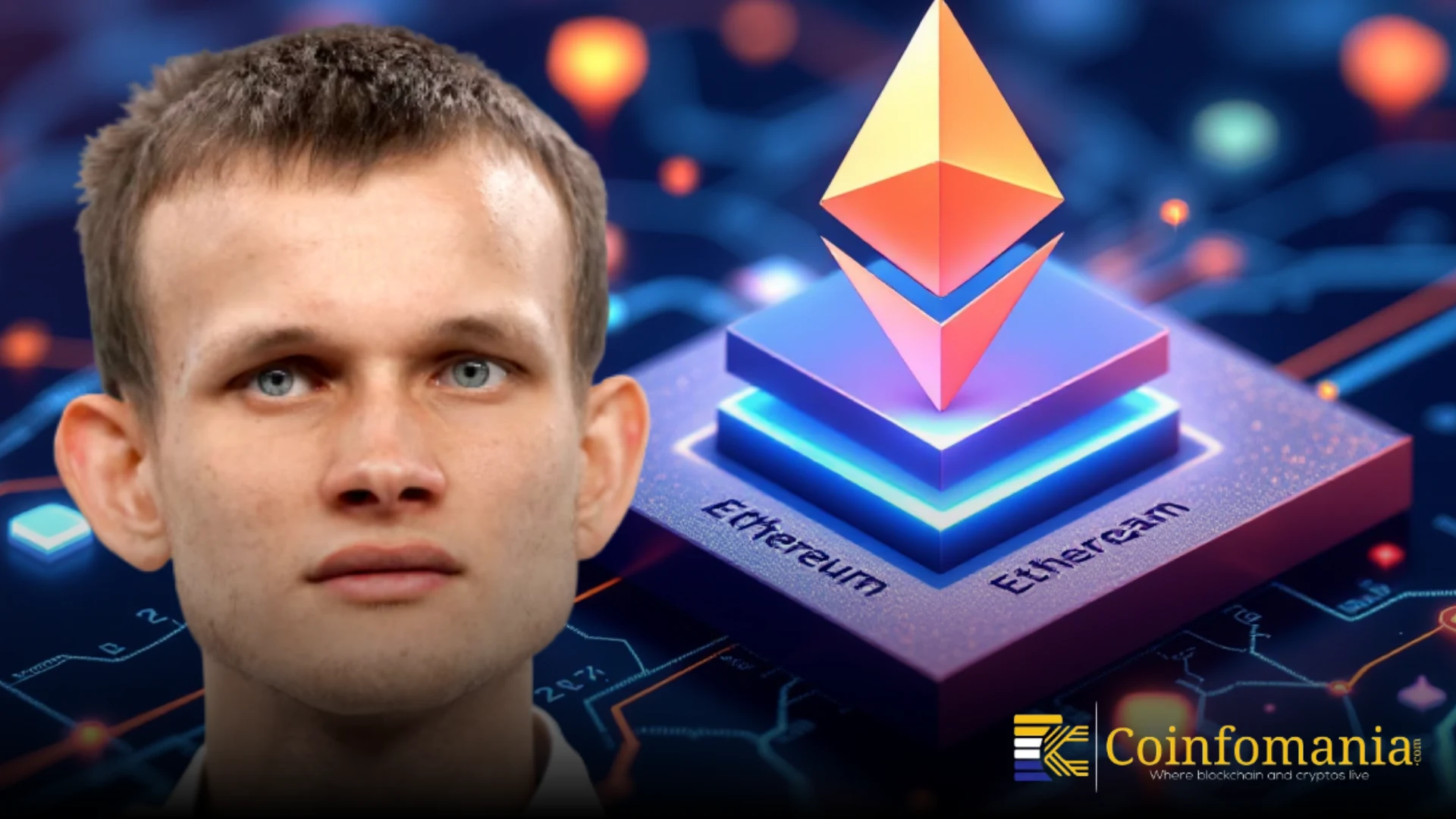
Ethereum co-founder Vitalik Buterin is rethinking the network’s reliance on rollups for scaling. On February 3, 2026, he posted that layer-2 solutions have decentralized slower than expected, prompting a potential shift toward direct Layer 1 scaling.
Layer 2 Decentralization Falls Behind
Buterin noted that only 2 of more than 50 major L2s reached Stage 2 by early 2026, according to L2Beat data. Layer 2s such as Optimism and Arbitrum were built to handle transactions off-chain and reduce fees.
Despite the progress, they have not yet achieved the level of decentralization Ethereum developers expected. This has led Buterin to reconsider Ethereum’s long-term roadmap and focus more on L1 upgrades.
Layer 1 Handles More Than Expected
Ethereum’s Layer 1 now manages 20–30 transactions per second with fees below 2 gwei, thanks to recent upgrades and a planned gas limit increase to 50 million. These improvements show that direct L1 scaling can handle more load than previously thought.
With upgrades like EIP-7825, Ethereum provides more blockspace natively. This helps unify liquidity and improve user experience, which had previously fragmented across multiple L2 chains.
New Role for Layer 2s
Layer 2 projects must now focus on features beyond simple scaling. Buterin suggested innovations such as privacy enhancements, low-latency transaction sequencing, or non-EVM virtual machines.
Ethereum also plans native rollup precompiles to allow trustless interoperability between rollups. This could create a hybrid ecosystem, where L1 anchors security and L2s specialize in advanced functionality.
Balancing Layer 1 and Layer 2
Ethereum’s scaling highlights a simple truth, that Layer 1 upgrades remain essential. Layer 2s still play an important role, but their purpose may evolve from basic scaling to advanced services.
For developers and users, this change promises a more unified, efficient, and secure Ethereum network. By balancing L1 and L2 capabilities, Ethereum could deliver higher throughput, better user experiences and stronger security, all while reducing over-reliance on rollups.