BNY Expands Crypto Custody Push With Abu Dhabi Launch

Let’s uncover how digital asset custody is evolving as BNY Mellon enters Abu Dhabi’s regulated crypto market.
Quick Take
Summary is AI generated, newsroom reviewed.
BNY Mellon partnered with Finstreet Market and ADI Foundation in Abu Dhabi.
The initiative focuses on regulated digital asset custody services.
Abu Dhabi continues attracting major blockchain and institutional finance firms.
Institutional crypto adoption keeps accelerating through regulated infrastructure growth.
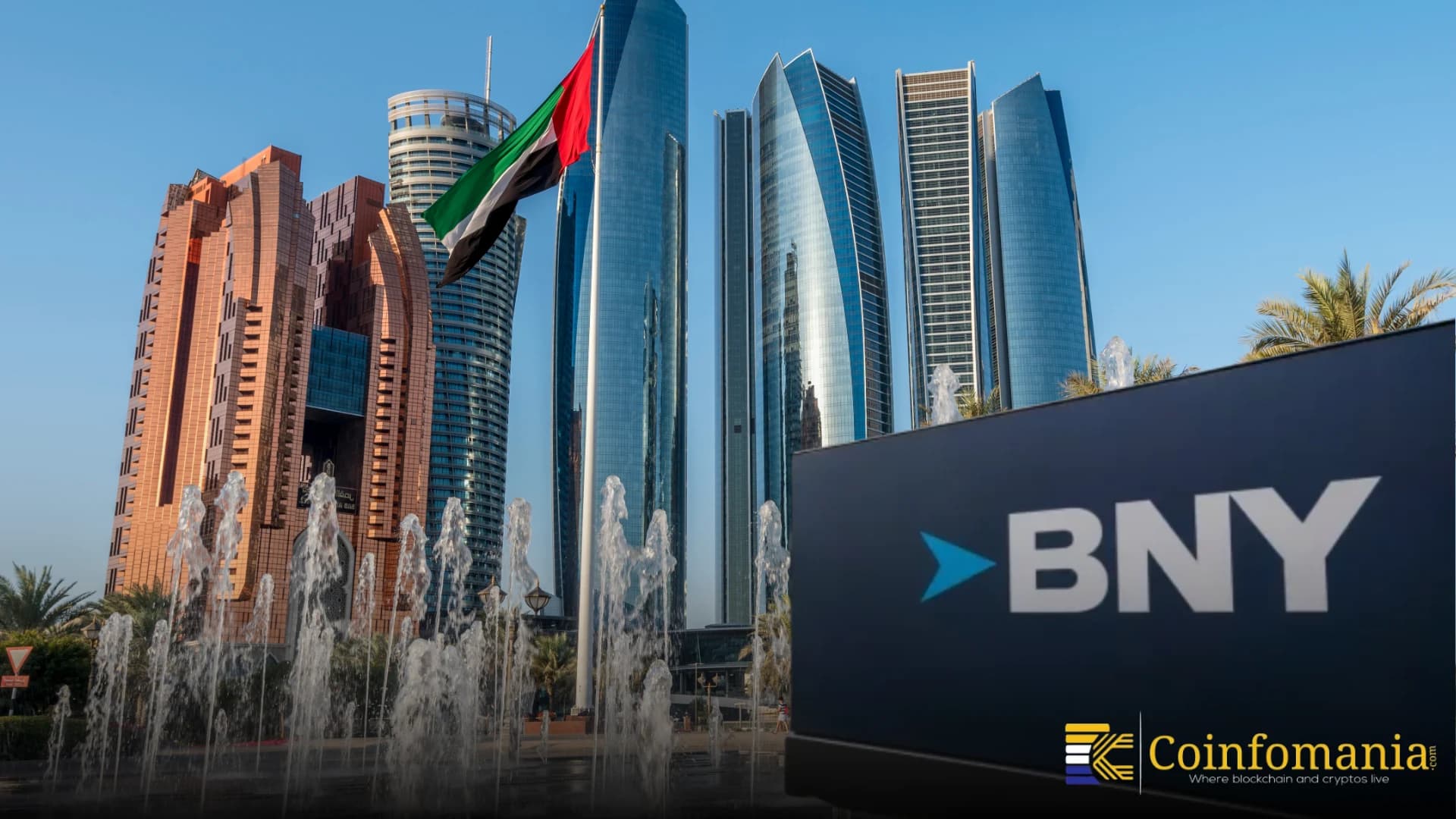
Institutional interest in digital assets continues to grow across global financial markets. Major banks now race to secure positions in regulated crypto infrastructure. The latest move comes from BNY Mellon, which partnered with Finstreet Market and ADI Foundation to launch regulated crypto custody services in Abu Dhabi Global Market. The announcement signals another major step toward institutional blockchain adoption in the Middle East.
Global financial institutions no longer treat crypto as an experimental industry. Instead, banks now focus on building secure infrastructure for large investors, asset managers, and corporations. This latest collaboration places Abu Dhabi at the center of a rapidly expanding regulated digital finance ecosystem. The region already attracts major blockchain firms, exchanges, and fintech companies searching for regulatory clarity and long-term growth opportunities.
🚨🇦🇪UPDATE: @BNYglobal with Finstreet Market and @ADI_Foundation to launch regulated digital asset custody in Abu Dhabi’s Abu Dhabi Global Market. pic.twitter.com/Ag4wG02UjM
— Cryptic (@Cryptic_Web3) May 8, 2026
Why Abu Dhabi Continues To Attract Global Crypto Institutions
The Middle East has emerged as one of the fastest-growing regions for blockchain innovation. Governments across the Gulf continue introducing supportive regulations for digital finance companies. Among them, Abu Dhabi has positioned itself as a leading destination for regulated crypto businesses.
The Abu Dhabi Global Market framework attracts institutions because it combines innovation with strict compliance standards. Financial firms often avoid unclear crypto jurisdictions due to legal uncertainty and operational risks. Abu Dhabi instead offers transparent licensing systems and structured oversight. That approach creates confidence among banks, investment firms, and institutional traders.
Several major crypto companies already operate within the region. Exchanges, tokenization platforms, and blockchain infrastructure providers continue expanding there. This growing ecosystem creates strong demand for regulated crypto services, especially secure custody solutions designed for institutional investors.
How Digital Asset Custody Shapes Institutional Finance
Crypto markets cannot attract large institutions without secure infrastructure. That reality explains the growing focus on digital asset custody solutions worldwide. Institutional investors require advanced protection systems before allocating capital into digital assets.
Custody providers safeguard private keys and protect assets from theft, operational errors, and cyberattacks. They also ensure compliance with financial regulations. For many institutions, custody services represent the foundation of safe crypto participation.
Traditional banks now recognize this opportunity. Instead of competing directly with crypto exchanges, many banks focus on infrastructure services. These include custody, settlement, tokenization, and blockchain-based payments.
BNY Mellon’s Strategy Reflects A Larger Banking Trend
Traditional finance institutions increasingly move deeper into digital asset markets. Earlier skepticism around crypto has shifted toward cautious integration. Major banks now explore tokenized assets, stablecoins, blockchain settlements, and regulated custody services.
BNY Mellon’s expansion reflects that broader transformation. Instead of resisting blockchain innovation, banks now seek ways to participate within regulated frameworks. That approach reduces risks while opening new revenue opportunities.
Institutional demand also continues rising globally. Pension funds, family offices, and corporations increasingly explore crypto exposure. However, many institutions still avoid direct interaction with unregulated platforms. They prefer established financial firms that understand compliance and operational security.
Why Regulated Crypto Services Matter More Than Ever
The crypto industry has evolved dramatically during recent years. Earlier growth focused heavily on retail speculation and unregulated exchanges. Today, institutional participation increasingly drives market development.
That shift changes industry priorities. Institutions prioritize transparency, compliance, and operational stability over rapid speculation. They seek reliable partners capable of meeting global regulatory standards.
This growing demand explains the rise of regulated crypto services worldwide. Governments and financial hubs now compete to create environments attractive to institutional investors. Jurisdictions capable of balancing innovation and regulation may gain significant economic advantages.
Final Takeaways
BNY Mellon’s partnership in Abu Dhabi marks another important milestone for institutional crypto finance. The move strengthens Abu Dhabi’s reputation as a leading blockchain hub while expanding access to regulated infrastructure for large investors.
The growing demand for digital asset custody continues reshaping financial markets globally. Institutions now require secure and compliant systems before entering digital asset markets. Traditional banks increasingly move to fill that demand.
As institutional crypto adoption expands worldwide, regulated financial hubs could dominate the next era of blockchain growth. Abu Dhabi clearly intends to become one of those leaders.


Follow us on Google News
Get the latest crypto insights and updates.