Arthur Hayes vs Kyle Samani: $100K Charity Bet on HYPE Crypto Performance 2026

$100,000 charity wager between Arthur Hayes and Kyle Samani over whether Hyperliquid's HYPE token can outperform every top-10 cryptocurrency by the end of 2026.
Quick Take
Summary is AI generated, newsroom reviewed.
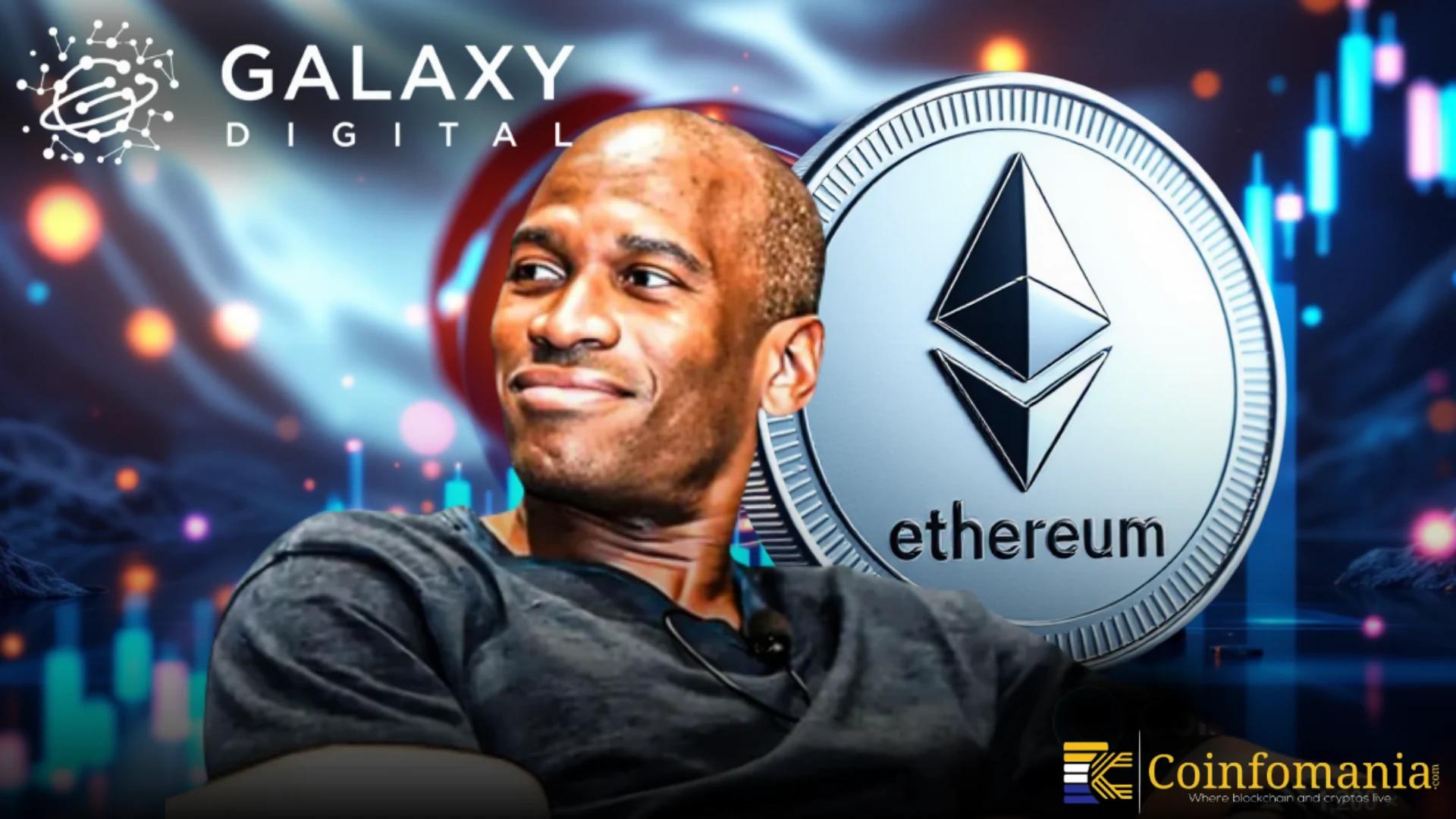
Arthur Hayes and Kyle Samani have entered a $100,000 charity wager centered on whether Hyperliquid's HYPE token can outperform every top-10 cryptocurrency by market capitalization during 2026.
Samani argues that outperforming all top-10 crypto assets is an extremely difficult challenge, particularly against established ecosystems such as Bitcoin, Ethereum, and Solana.
The bet highlights broader industry debates around specialized blockchain infrastructure versus diversified Layer 1 ecosystems as the next phase of crypto growth unfolds.
A six-figure wager between two of crypto’s most outspoken voices has the industry buzzing. Arthur Hayes, co-founder of BitMEX, and Kyle Samani, co-founder of Multicoin Capital, have put $100,000 on the line over whether Hyperliquid’s native HYPE token will outperform every top-10 cryptocurrency by the end of 2026. The bet isn’t just about bragging rights: the loser donates to a charity of the winner’s choice. It’s the kind of public, high-conviction clash that forces both sides to lay their reasoning bare, and it’s given traders and analysts a fascinating framework for evaluating one of the most talked-about tokens this year. Whether you hold any HYPE or just enjoy watching billionaires argue on social media, the stakes here extend well beyond $100K.
Origins of the $100K Charity Wager
The Twitter Exchange Between Hayes and Samani
The whole thing kicked off on X (formerly Twitter) in early 2026. Hayes posted a characteristically bold take: Hyperliquid’s token would beat every single top-10 crypto asset in year-to-date performance by December 31, 2026. Kyle Samani, never one to shy away from a debate, pushed back publicly. Samani’s firm, Multicoin Capital, has long been one of Solana’s most prominent backers, and he clearly wasn’t about to let the claim go unchallenged.
What followed was a rapid-fire exchange that culminated in a $100,000 gentleman’s bet with charitable stakes. The public nature of the wager is part of what makes it compelling. Neither party can quietly walk it back. The entire crypto community is watching, tracking relative performance in real time.
Terms of the 2026 Performance Deadline
The terms are straightforward but specific. Hayes is betting that HYPE will outperform every cryptocurrency currently ranked in the top 10 by market capitalization on a year-to-date basis, measured from January 1 to December 31, 2026. That means it needs to beat Bitcoin, Ethereum, Solana, XRP, BNB, and every other asset sitting in those top spots.
The loser donates $100,000 to a charity selected by the winner. No hedging, no partial payouts. It’s binary: either HYPE outperforms all ten, or it doesn’t. This structure means Hayes needs a clean sweep. Even if HYPE beats nine out of ten but trails one, Samani wins. That asymmetry makes the bet particularly aggressive from Hayes’s side.
Analyzing the HYPE Token Ecosystem
Hyperliquid’s Role in Decentralized Derivatives
Hyperliquid has carved out a distinct position as a Layer 1 blockchain purpose-built for on-chain perpetual futures trading. Unlike general-purpose chains that bolt on DeFi protocols after the fact, Hyperliquid was designed from the ground up for order book-based derivatives. The platform runs its own consensus mechanism and claims sub-second finality, which matters enormously when you’re executing leveraged trades.
By mid-2026, the protocol regularly handles billions in daily trading volume. Its fully on-chain order book distinguishes it from hybrid models like dYdX (which moved to Cosmos) and centralized venues. The HYPE token functions as the ecosystem’s gas token, staking asset, and governance mechanism, giving it a direct relationship to platform activity. When volume rises, demand for the token tends to follow.
Market Sentiment and Initial Price Action
The token’s trajectory has been volatile but attention-grabbing. After its initial airdrop in late 2024, HYPE saw a rapid price discovery phase that pushed it into the top 20 by market cap within months. Price predictions for the token vary wildly depending on the analyst, with some models pointing to significant upside if Hyperliquid captures a growing share of on-chain derivatives volume.
On-chain metrics tell an interesting story. Open interest on the platform has grown consistently, and funding rates have remained positive for extended stretches, suggesting a bias toward long positioning. Liquidation data shows that the protocol handles stress events without the kind of cascading failures that plagued earlier DeFi derivatives platforms. Retail and institutional interest both appear to be climbing, though exact wallet segmentation data remains imprecise.
Contrasting Investment Thesis: Hayes vs. Samani
Arthur Hayes and the Bull Case for Hyperliquid
Hayes has been vocal about his conviction that Hyperliquid will outperform even Solana and the rest of the top 10. His thesis rests on a few pillars. First, he believes the on-chain derivatives market is still massively underpenetrated compared to centralized exchanges. If even a fraction of Binance or Bybit’s perpetual futures volume migrates on-chain, Hyperliquid is the most obvious beneficiary.
Second, Hayes has pointed to the token’s supply dynamics. A significant portion of HYPE was distributed via airdrop to early users rather than sold to venture capitalists, which creates a different holder profile than most VC-backed tokens. The argument is that airdrop recipients who stuck around are genuine users, not investors waiting for a lock-up to expire so they can dump. Third, Hayes sees broader macro conditions in 2026 – particularly monetary easing cycles and dollar weakness – as favorable for high-beta crypto assets, and HYPE sits firmly in that category.
Kyle Samani’s Skepticism and Alternative Outlook
Samani’s counter-thesis isn’t that Hyperliquid is a bad project. It’s that beating every single top-10 asset is an extraordinarily high bar. Solana, which Multicoin helped build from the early days, has its own thriving DeFi ecosystem and a much larger developer community. Samani has argued that Solana’s general-purpose architecture gives it more surface area for growth across multiple verticals: payments, DePIN, NFTs, and yes, derivatives too.
There’s also the concentration risk argument. Hyperliquid is essentially a one-product platform right now. If a competitor launches a better derivatives chain, or if a regulatory crackdown targets leveraged on-chain trading specifically, HYPE has fewer fallback use cases than a diversified L1 like Ethereum or Solana. Samani’s bet is essentially a bet on portfolio theory: diversified ecosystems are harder to dethrone than single-purpose ones, especially over a full calendar year.
Broader Implications for the Crypto Market in 2026
The Trend of High-Stakes Public Betting
Hayes and Samani aren’t the first crypto figures to settle disagreements with public wagers. Balaji Srinivasan’s famous $1 million Bitcoin bet in 2023 set a template. What’s different now is the frequency. In 2026, high-profile bets have become a recurring feature of crypto discourse, functioning almost like a decentralized prediction market run on reputation rather than smart contracts.
These wagers serve a real purpose beyond entertainment. They force participants to define precise terms, timelines, and metrics. Vague bullishness doesn’t cut it when $100K and your public credibility are on the line. The crypto industry has historically suffered from consequence-free predictions: influencers calling for $500K Bitcoin by next Tuesday with zero accountability. Charity bets introduce at least some skin in the game.
Philanthropy and Charity Selection in Crypto Disputes
The charity angle adds a layer that pure financial bets lack. Both Hayes and Samani have indicated the winner will direct the $100K donation, which means the losing party effectively funds a cause chosen by their opponent. This structure has become popular precisely because it softens the adversarial edge. Nobody looks bad donating to charity, even if they lost the argument.
It also reflects a broader trend in crypto philanthropy. The Giving Block reported that crypto-based charitable donations surged in 2025, and 2026 is on pace to exceed those numbers. High-profile wagers like this one amplify awareness. When two well-known figures publicly commit $100K to charity, it normalizes the idea of tying financial conviction to social good, a welcome shift for an industry that still battles perception problems.
Key Milestones to Watch Before Settlement
Several checkpoints will determine whether Hayes’s bet looks genius or reckless by December. The first is Hyperliquid’s planned ecosystem expansion. The team has hinted at supporting spot trading and additional asset types beyond perpetual futures. If these launches go smoothly and attract meaningful volume, the bullish case for HYPE gains significant momentum.
Watch Bitcoin’s trajectory through Q3 and Q4. If BTC enters a strong rally, it historically compresses altcoin outperformance because capital rotates into the largest asset. Hayes needs HYPE to outrun Bitcoin specifically, which becomes harder during a BTC-dominated market. Conversely, if Bitcoin trades sideways while altcoins rotate, HYPE’s chances improve.
Regulatory developments matter too. The EU’s MiCA framework is fully operational, and the U.S. is still hashing out its own stablecoin and market structure bills. Any legislation that specifically targets leveraged DeFi products could hit Hyperliquid harder than diversified chains. On the flip side, regulatory clarity that legitimizes on-chain derivatives would be a massive tailwind.
The final milestone is simple: relative performance at the halfway mark. By July 2026, we’ll have a clear picture of whether HYPE is keeping pace with or pulling ahead of the top 10. If it’s trailing multiple assets by mid-year, Hayes will need a spectacular second-half rally. If it’s leading, Samani will be sweating.
This bet is worth following not just for the spectacle but for what it reveals about competing visions for crypto’s future: purpose-built infrastructure versus general-purpose platforms, concentrated conviction versus diversified exposure. By January 2027, one of these two will be writing a very large check to charity, and the rest of us will have learned something about how this market actually works.


Follow us on Google News
Get the latest crypto insights and updates.