“Pay Workers As Much As Possible” – Nvidia CEO Jensen Huang on AI Boom

Explore the $100,000 charity wager between Arthur Hayes and Kyle Samani over whether Hyperliquid's HYPE token can outperform every top-10 cryptocurrency by the end of 2026.
Quick Take
Summary is AI generated, newsroom reviewed.
Arthur Hayes and Kyle Samani have entered a $100,000 charity wager centered on whether Hyperliquid's HYPE token can outperform every top-10 cryptocurrency by market capitalization during 2026.
Hayes believes Hyperliquid's growing dominance in decentralized derivatives trading, strong tokenomics, and expanding ecosystem position HYPE for exceptional performance.
Samani argues that outperforming all top-10 crypto assets is an extremely difficult challenge, particularly against established ecosystems such as Bitcoin, Ethereum, and Solana.
The bet highlights broader industry debates around specialized blockchain infrastructure versus diversified Layer 1 ecosystems as the next phase of crypto growth unfolds.
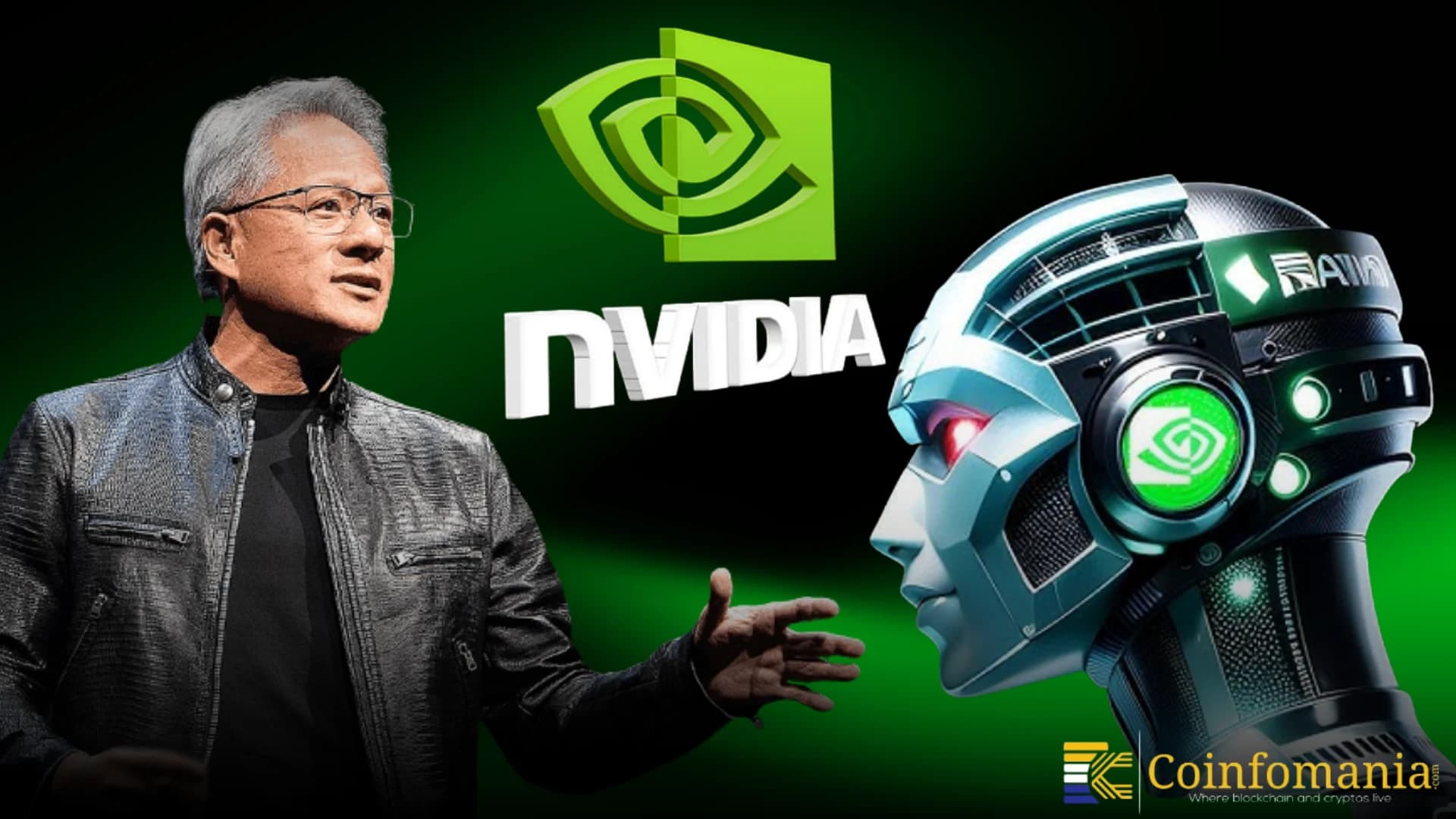
Jensen Huang doesn’t mince words. When the Nvidia CEO told an audience that companies should pay workers as much as possible during the AI boom, it wasn’t a throwaway line or corporate PR spin. It was a deliberate statement from the leader of a company now worth over $3 trillion, one whose chips power the vast majority of AI training infrastructure worldwide.
The remark, made in mid-2026, landed at a moment when the tech industry is grappling with a fundamental question: who actually benefits from the enormous wealth generated by artificial intelligence? Huang’s answer is clear: the people building it should. And he’s putting Nvidia’s money where his mouth is. His stance has sparked a broader conversation about compensation philosophy, talent retention, and whether Silicon Valley’s traditional equity-heavy model is evolving into something more aggressive. This isn’t just about one CEO’s opinion. It’s about what happens when the most valuable company on Earth decides that hoarding profits is the wrong strategy.
The Philosophy Behind Jensen Huang’s High-Compensation Strategy
Huang’s compensation philosophy isn’t rooted in altruism alone. It’s a calculated business decision. When you’re sitting at the center of an industry experiencing explosive demand, the bottleneck isn’t silicon wafers or data center space: it’s people. The engineers, researchers, and designers who can build next-generation GPU architectures are extraordinarily rare, and Huang knows that losing even a handful of them to competitors like AMD, Google, or a well-funded startup could slow Nvidia’s momentum.
His public comments reflect a worldview where compensation is a competitive weapon. Rather than treating salaries as a cost to minimize, Huang frames them as an investment that compounds. A top engineer retained for an extra two years might contribute to a chip design worth billions in revenue. The math, from his perspective, is straightforward.
Nvidia’s ‘Pay as Much as Possible’ Directive
Huang’s directive to pay workers as much as possible amid the AI boom isn’t vague corporate speak. He has reportedly told his leadership team that compensation reviews should err on the side of generosity, especially for roles directly tied to AI chip development. The idea is simple: if an employee’s market value has increased, Nvidia should recognize that before a recruiter does.
This approach contrasts sharply with how many tech companies have handled the post-2023 period, where layoffs and cost-cutting dominated headlines. While others trimmed headcount, Nvidia expanded hiring and raised pay bands.
Attracting Top-Tier Talent in a Competitive AI Landscape
The AI talent market in 2026 is brutal. PhD researchers in machine learning and senior hardware architects field multiple offers simultaneously, often with signing bonuses exceeding $500,000. Nvidia competes not just with other chip companies but with hyperscalers like Microsoft and Amazon, who are designing their own AI accelerators in-house.
Huang’s strategy of aggressive compensation is partly defensive. Nvidia’s AI and engineering roles pay nearly $500,000 a year on average, and senior positions push well beyond that when stock grants are included. By establishing itself as the highest-paying option, Nvidia reduces the likelihood that competitors can poach key talent through compensation alone. The message to employees is: there’s no financial reason to leave.
The Correlation Between Employee Equity and Market Dominance
Nvidia’s stock performance over the past three years has been nothing short of extraordinary. That run hasn’t just enriched shareholders: it has created a workforce where thousands of employees hold equity packages worth millions. This dynamic creates a powerful feedback loop. Employees who are deeply invested in the company’s stock price are motivated to push harder, ship faster, and think longer-term.
The correlation between employee wealth and company performance isn’t accidental. It’s structural. Nvidia’s compensation packages are heavily weighted toward restricted stock units (RSUs), which vest over multi-year periods. This means employees benefit directly from the company’s success, and they have a financial incentive to stick around for the full vesting schedule.
Impact of Stock-Based Compensation on Employee Wealth
When Nvidia’s market cap crossed the $3 trillion threshold, the ripple effects on employee wealth were staggering. Engineers who joined even three or four years ago found themselves holding RSU grants that had appreciated 5x to 10x from their grant-date value. Reports indicate that software engineers at Nvidia can earn total compensation packages reaching $3.74 crore (approximately $450,000), with senior staff earning considerably more.
This wealth creation has turned Nvidia into something unusual: a company where mid-career engineers are multimillionaires who choose to keep working. That voluntary retention is arguably more valuable than any golden handcuff, because it produces engaged employees rather than resentful ones counting down vesting days.
Retention Strategies Amidst the Trillion-Dollar Valuation
The challenge of retention at a company like Nvidia is paradoxical. Employees are wealthy enough to retire, yet the company needs them more than ever. Huang’s response has been to keep refreshing equity grants and ensuring that staying at Nvidia remains the most financially attractive option available.
He personally reviews salaries for all 42,000 employees each month, an unusual level of CEO involvement in compensation decisions. This hands-on approach signals that pay isn’t delegated to HR algorithms: it’s a strategic priority at the highest level. The result is a retention rate that outperforms most of Nvidia’s peers in the semiconductor space.
Nvidia’s Unique Cultural Blueprint: ‘Expect Excellence’
High pay at Nvidia comes with high expectations. Huang has been open about the intensity of Nvidia’s work culture, describing it as a place where mediocrity isn’t tolerated. The company’s internal motto of expecting excellence isn’t aspirational fluff: it’s enforced through rigorous performance reviews and a flat organizational structure that gives employees unusual visibility and accountability.
This culture isn’t for everyone. Some employees describe it as exhilarating; others find it exhausting. But the combination of extreme compensation and extreme expectations creates a self-selecting workforce of people who thrive under pressure.
Balancing High Rewards with High Performance Standards
The balance Nvidia strikes is deliberate. Pay generously, but demand results. This model works because it attracts people who are confident in their abilities and motivated by both financial reward and technical challenge. It filters out those who might coast at a less demanding company.
Huang has spoken about this trade-off publicly, noting that the AI boom is driving a broader wage debate about what companies owe their workers versus what they expect in return. His position is that the two are linked: you can demand excellence only if you compensate for it. Anything less is a broken contract.
The Role of Organizational Structure in Innovation Speed
Nvidia operates with a remarkably flat hierarchy for a company of its size. Huang reportedly has around 60 direct reports, a span of control that would terrify most management consultants. But this structure serves a purpose: it eliminates layers of bureaucracy and lets information flow faster.
For engineers, this means their work is visible to the CEO. For Huang, it means he can identify bottlenecks and talent gaps in real time. The flat structure also reinforces the high-compensation philosophy because there are fewer management layers absorbing budget. More money flows directly to the people doing the technical work, which is exactly where Huang wants it.
Economic Implications of the AI Boom on Tech Salaries
The AI boom hasn’t just reshaped Nvidia’s internal compensation: it’s distorting the entire tech labor market. Companies across Silicon Valley and beyond are being forced to raise salaries to compete for AI talent, even if their core business isn’t AI-related. The benchmark that Nvidia and a handful of other companies have set is pulling compensation upward industry-wide.
This inflationary pressure on tech salaries has real consequences. Startups struggle to compete with the total compensation packages offered by Nvidia, Google, and OpenAI. Mid-tier tech companies find themselves losing engineers who might have stayed five years ago but now see a 2x or 3x pay increase by moving to an AI-focused role.
Setting a New Benchmark for Silicon Valley Compensation
Nvidia’s salary data, which has become increasingly public through filings and employee reports, shows total compensation figures that would have been unthinkable a decade ago. Senior research scientists and principal engineers routinely earn $800,000 to $1.2 million annually when stock grants are included.
These numbers are setting a new floor for what top AI talent expects. Huang’s public stance that workers should be paid as much as possible from AI profits gives moral weight to what was already an economic reality. The best people go where the money is, and right now, the money is at Nvidia.
Future Outlook: Sustaining Growth Through Human Capital
Huang’s compensation philosophy will face its real test in the coming years. Nvidia’s dominance depends on maintaining its technological lead, which means continuing to attract and retain the world’s best chip designers and AI researchers. If the stock price plateaus or competitors close the gap, the equity-heavy model becomes less compelling.
But for now, the strategy is working. Nvidia ships the most advanced AI accelerators on the planet, its employees are among the best-compensated in tech, and its retention rates remain strong. Huang has essentially built a virtuous cycle: pay well, attract the best, build superior products, generate enormous revenue, and use that revenue to pay even better.
The broader lesson here extends beyond Nvidia. The AI boom is generating trillions of dollars in value, and Huang’s argument is that distributing that value to the people who create it isn’t just ethical: it’s good business. Whether the rest of the industry follows his lead or continues to prioritize margins over people will shape the tech workforce for a generation. If you’re watching this space as an investor, a job seeker, or a competing CEO, the signal from Nvidia is hard to ignore: talent is the real asset, and it deserves to be compensated accordingly.


Follow us on Google News
Get the latest crypto insights and updates.