Are Anthropic Share Transfer Rules Shaking Market Confidence?

Explore how Anthropic share transfer rules are reshaping pre-IPO valuation, private share trading, and investor rights in a policy shift.
Quick Take
Summary is AI generated, newsroom reviewed.
Anthropic share transfer rules now require strict board approval for validity
Pre-IPO valuation expectations weaken under restricted liquidity conditions
Private share trading platforms face increased verification pressure
Investor confidence shifts toward more cautious private market strategies
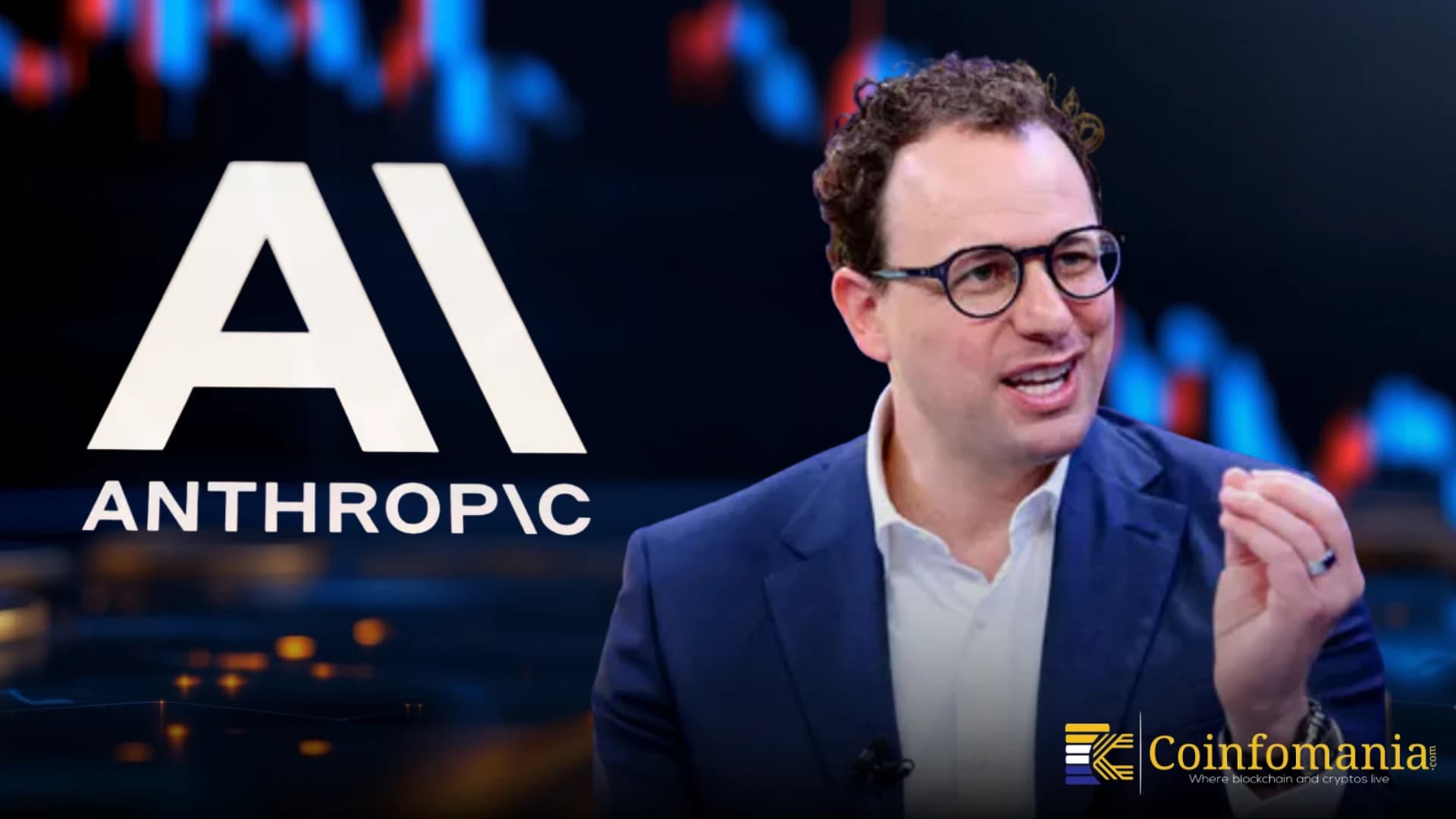
The Anthropic share transfer policy has sent shockwaves through private tech markets. Investors woke up to a sudden rule change that instantly reshaped expectations. Many expected steady movement toward an IPO, but the reality turned far more restrictive. The announcement triggered confusion across private deal networks and secondary marketplaces.
The impact on Anthropic share transfer expectations became visible within hours. Traders and early investors started reassessing exposure to Anthropic-linked equity deals. The change also raised questions about governance control in fast-growing AI companies. This moment highlighted how fragile private valuation structures can become under strict corporate control.
At the center of this disruption sits the Anthropic share transfer restriction itself. The company clarified that any unauthorized sale becomes completely void. This includes transfers without explicit board approval. That statement alone created uncertainty across pre-IPO valuation discussions. Investors suddenly faced a reality where ownership assumptions could collapse instantly.
Absolutely Insane:
— Crypto Rover (@cryptorover) May 12, 2026
Anthropic’s pre-IPO valuation just erased $300B in value in ONE HOUR.
Anthropic just dropped a bomb on people buying their shares privately.
Anthropic says: Any share sale or transfer WITHOUT Board of Directors approval is completely VOID.
Buyers get ZERO… pic.twitter.com/MUZx39zYpV
Why The Anthropic Share Transfer Rule Matters So Much
The Anthropic share transfer restriction does more than regulate stock movement. It directly defines who holds real ownership in the company. Buyers in private markets often assume legal protection once transactions complete. This policy challenges that assumption at its core and reshapes investor confidence.
The pre-IPO valuation of Anthropic becomes harder to interpret under this framework. Valuations in private markets often rely on liquidity expectations. When Anthropic share transfer rules block unauthorized movement, liquidity assumptions weaken. This creates a gap between paper valuation and actual enforceable ownership.
Private Share Trading Faces Immediate Pressure
Private share trading platforms now face heightened scrutiny after the Anthropic share transfer announcement. These platforms depend heavily on enforceable ownership transfers. When those transfers become void without approval, the entire trading structure weakens. Investors now question whether listed shares truly represent ownership.
The Anthropic share transfer policy directly disrupts secondary market confidence. Buyers risk losing both capital and legal claim if rules are not followed. This risk forces platforms to tighten verification and approval systems. It also slows down transaction speed across private marketplaces.
Board Approval Shares Become The New Gatekeeper
The board approval shares structure now plays a critical role in Anthropic governance. The company has made it clear that only board-approved transactions hold validity. This centralizes control over ownership movement within the organization. It also limits uncontrolled circulation of equity in secondary markets.
The Anthropic share transfer rule strengthens board authority significantly. Every transaction now depends on internal approval mechanisms. This creates a controlled ecosystem for share distribution. It also reduces the possibility of unauthorized equity dilution.
How Pre-IPO Valuation Narratives Are Shifting
The pre-IPO valuation narrative around Anthropic is now under pressure. Valuations often reflect optimism about future liquidity events. However, the Anthropic share transfer restriction introduces structural limitations. These limitations affect how investors interpret long-term value.
Pre-IPO valuation models now need governance adjustments. Analysts must account for restricted transfer conditions. This reduces reliance on traditional private market pricing signals. It also introduces more conservative valuation approaches.
What This Means For Future Private Market Deals
The Anthropic share transfer situation may influence future private equity deals. Companies may adopt similar restrictions to maintain control over ownership. This could reshape how pre-IPO valuation frameworks operate across the tech sector. It also signals stronger governance trends in AI companies.
Board approval shares could become a standard feature in private markets. This would shift power back to company leadership. It also reduces flexibility for early investors. The Anthropic share transfer policy might set a precedent for future governance models.


Follow us on Google News
Get the latest crypto insights and updates.
Related Posts

FreemanCoiner Highlights $CZ Price Jump as Traders React

Ayanfe Fakunle
Author

Inside Bitcoin’s Market Analysis — What It Means for Traders
Ayanfe Fakunle
Author

Wu Blockchain Reports: Upbit Volume Surges Amid KOSPI Selloff — What It Means for Traders
Ayanfe Fakunle
Author