Analyzing Joseph Lubin’s Ethereum Transactions

Few figures in crypto hold as much ETH as Joseph Lubin, and fewer still move it in ways that send ripples through the entire market. As Ethereum’s co-founder and the CEO of ConsenSys, Lubin’s on-chain activity is watched like a hawk by traders, analysts, and blockchain sleuths. Tracking a Joseph Lubin Ethereum transaction reveals not […]
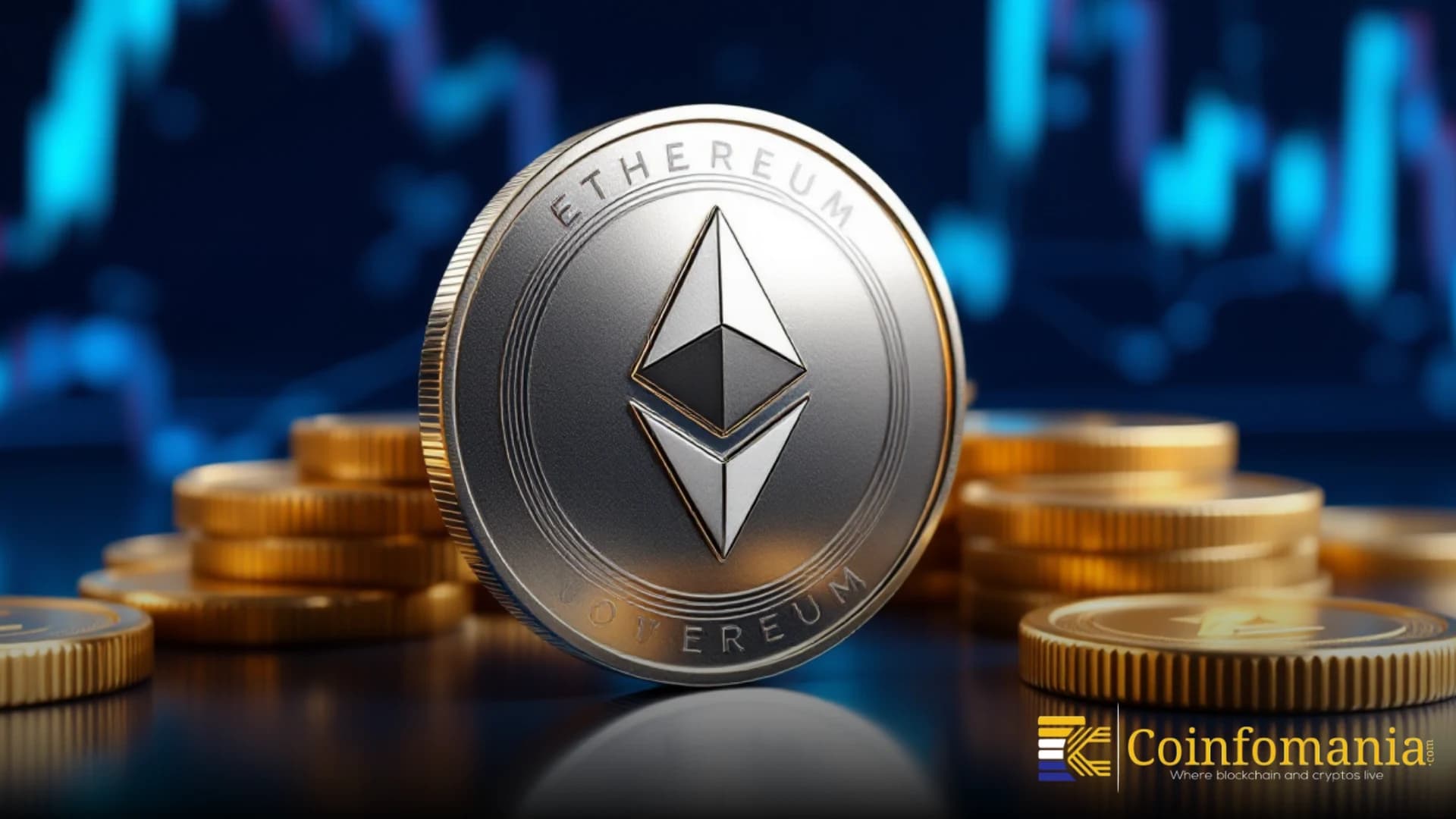
Few figures in crypto hold as much ETH as Joseph Lubin, and fewer still move it in ways that send ripples through the entire market. As Ethereum’s co-founder and the CEO of ConsenSys, Lubin’s on-chain activity is watched like a hawk by traders, analysts, and blockchain sleuths. Tracking a Joseph Lubin Ethereum transaction reveals not just one man’s financial decisions but broader signals about ecosystem health, institutional confidence, and the future of decentralized finance.
Tracing the Origins of Joseph Lubin’s Ethereum Holdings
The Genesis Block and Initial Allocation
Lubin was among the original eight co-founders of Ethereum and participated in the 2014 crowdsale that bootstrapped the network. His allocation from the genesis block is widely estimated to be one of the largest individual holdings in Ethereum’s history, though exact figures remain unconfirmed. What we do know is that wallets linked to Lubin have periodically surfaced holding hundreds of thousands of ETH, placing him firmly among the network’s most significant whales.
ConsenSys and the Early Wallet Ecosystem
ConsenSys, the Ethereum venture studio Lubin founded in 2014, created much of the early infrastructure people use today: MetaMask, Infura, and Truffle. The interplay between Lubin’s personal wallets and ConsenSys-associated addresses has always been murky. On-chain analysts have identified clusters of wallets that appear to serve different functions: long-term cold storage, operational treasury, and DeFi collateral positions. This complexity makes any single Lubin Ethereum transaction harder to interpret without broader context.
Patterns in On-Chain Activity and Capital Movement
Large-Scale Transfers to Centralized Exchanges
Some of the most headline-grabbing moves have involved massive ETH transfers that triggered fear, uncertainty, and doubt across the market. A $170 million ETH transfer from a Lubin-linked wallet during a market downturn in late 2024 caused immediate speculation about a potential sell-off. The transfer was tracked in real time as it moved to centralized platforms, though subsequent analysis suggested the funds were repositioned rather than liquidated outright.
Interaction with Decentralized Finance Protocols
Not all large movements signal exits. Lubin-associated wallets have been deeply involved with MakerDAO, one of Ethereum’s oldest DeFi protocols. In one notable instance, a dormant wallet sent roughly $123 million in ETH to MakerDAO to bolster collateral against existing DAI debt. A separate transaction involved 110,000 ETH deposited to strengthen a Maker vault position carrying $259 million in DAI obligations. These aren’t panic moves: they’re calculated collateral management strategies typical of sophisticated DeFi participants.
The Relationship Between Transactions and Ecosystem Funding
Liquidity for ConsenSys Operations
ConsenSys has raised venture capital, but Lubin has historically funded operations partly through personal ETH holdings. With ConsenSys reportedly pushing its IPO timeline to fall 2026 while waiting for a more favorable market window, the company’s liquidity needs remain significant. Periodic ETH liquidations or DeFi borrowing against ETH collateral likely serve as a bridge to keep MetaMask development, Linea (ConsenSys’s Layer 2), and other projects funded.
Strategic Investments in Layer 2 Solutions
Lubin has been vocal about Ethereum’s rollup-centric roadmap, and his capital movements reflect that conviction. ConsenSys’s Linea zkEVM is a direct bet on Layer 2 scaling, and funding for its development has to come from somewhere. On-chain evidence suggests that some ETH movements from Lubin-linked wallets have coincided with Linea development milestones, though direct causal links are speculative without official confirmation.
Addressing Market Transparency and Whale Influence
Impact on ETH Price Volatility
When a wallet holding 80,001 ETH suddenly wakes up and starts moving funds, markets react. Whale alerts from services like Arkham Intelligence and Lookonchain amplify these signals across social media within minutes. The psychological impact often outweighs the actual market impact: Lubin’s transfers represent a fraction of daily ETH volume, but retail traders interpret them as insider signals and trade accordingly.
Public Disclosure vs. On-Chain Reality
Lubin has never publicly disclosed his full ETH holdings. On-chain analysts piece together wallet clusters through transaction patterns, but attribution remains probabilistic. This gap between public statements and on-chain reality creates an information asymmetry that benefits those with better analytical tools. It also raises questions about whether Ethereum’s largest holders should face disclosure requirements similar to those in traditional equity markets under frameworks like MiCA.
Future Outlook: Staking and Long-Term Asset Management
The shift toward staking represents a natural evolution for large ETH holders like Lubin. Rather than holding idle ETH or cycling through DeFi lending, staking offers yield while supporting network security. With Ethereum’s staking rate hovering around 28% of total supply in 2026, large holders who stake signal long-term commitment rather than exit intent. If ConsenSys’s IPO proceeds as planned later this year, Lubin’s wallet activity may quiet down as traditional capital markets provide the liquidity his ventures need. For now, every Joseph Lubin transaction on Ethereum remains a data point worth watching: not as a trading signal, but as a window into how one of crypto’s most consequential figures manages a multi-billion-dollar position across DeFi, staking, and corporate treasury needs.


Follow us on Google News
Get the latest crypto insights and updates.