White House Stablecoin Talks End Without Deal Between Banks, Crypto

White House meeting on the CLARITY Act ended in an impasse as they demanded a full ban on stablecoin yields to prevent deposit flight.
Quick Take
Summary is AI generated, newsroom reviewed.
White House sets end-of-February deadline for stablecoin yield compromise.
Banks propose "prohibition principles" to ban all holder rewards.
Crypto firms argue yield restrictions stifle innovation and competition.
Stalemate over rewards delays the Digital Asset Market Clarity Act.
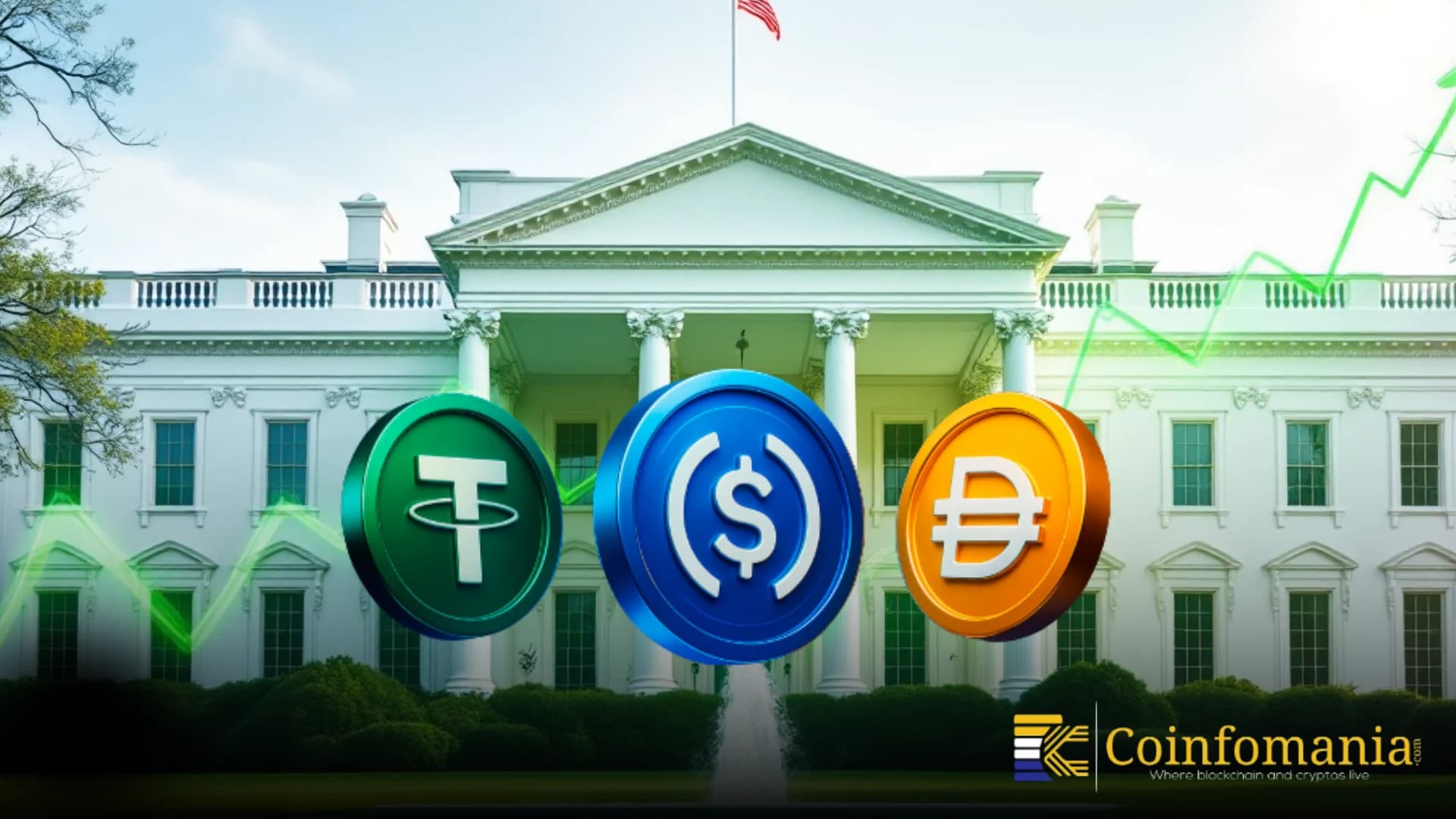
The second meeting of White House on stablecoin rules ended without an agreement between banks and crypto firms. The talks focused on whether stablecoins should offer yield or rewards to users. Crypto representatives from Coinbase, Ripple and others crypto groups attended. Banks, including Goldman Sachs and JPMorgan and Bank of America also joined the session.
The main dispute centered on stablecoin interest. Banks pushed for strict limits and even a full ban on yield features. But crypto companies argued that rewards are key for adoption and on-chain finance. The lack of compromise could slow progress on broader U.S. crypto legislation.
Yield Debate at the Center of the CLARITY Act
The discussion links directly to the proposed CLARITY Act. This bill builds on the GENIUS Act’s framework for digital assets. It already passed the House in 2025. But it has stalled in the Senate. Stablecoin yield rules remain one of the biggest sticking points. Banks fear that interest bearing stablecoins could pull deposits away from traditional accounts. That shift could reduce lending to households and small businesses.
🚨 JUST IN: 🏛️White House talks on stablecoin yield ended with NO DEAL between banks and crypto firms.
— Coin Bureau (@coinbureau) February 11, 2026
Attendees said banks pushed “prohibition principles” on yield that are even stricter than the current bill. pic.twitter.com/SOq7rNkDGF
Crypto firms see the issue differently. They argue that rewards help stablecoins compete with bank products. They also say yields support growth in on-chain finance and digital dollar systems. Earlier meetings also failed to resolve this dispute. The latest session was meant to push both sides closer to a compromise.
Banks Push Strict “Prohibition Principles”
During the meeting, banks presented a written set of “prohibition principles.” The document called for a broad ban on any financial or non-financial rewards tied to stablecoins. The proposal included strict enforcement rules and anti-evasion measures. It also suggested very limited exemptions, if any. Bank representatives said these steps would protect deposit flows and the traditional credit system.
Crypto executives pushed back on the idea. They asked for more flexible rules, especially around transaction based rewards. Some participants described the meeting as productive. But no final deal was reached. The White House reportedly urged both sides to find common ground. Officials want progress before a March 1 deadline.
Possible Impact on U.S. Crypto Policy
If the dispute continues, the CLARITY Act could face more delays. Without a deal, stablecoins may end up limited to basic payment functions. That outcome could slow growth in the on-chain dollar economy. Crypto firms warn that strict bans could push activity offshore. They say innovation may move to regions with friendlier rules. However, Banks believe tighter limits are necessary to protect lending and financial stability. Market reaction remained muted. Though the news sparked debate across the industry.
More Stablecoin Yield Talks Expected Soon
Both sides plan to continue discussions in the coming days. It is still unclear if another large White House meeting will happen before the end of the month. For now, officials say bipartisan support for crypto legislation still exists. But the stablecoin yield debate remains the biggest obstacle. The outcome could shape U.S. digital asset rules for years.


Follow us on Google News
Get the latest crypto insights and updates.