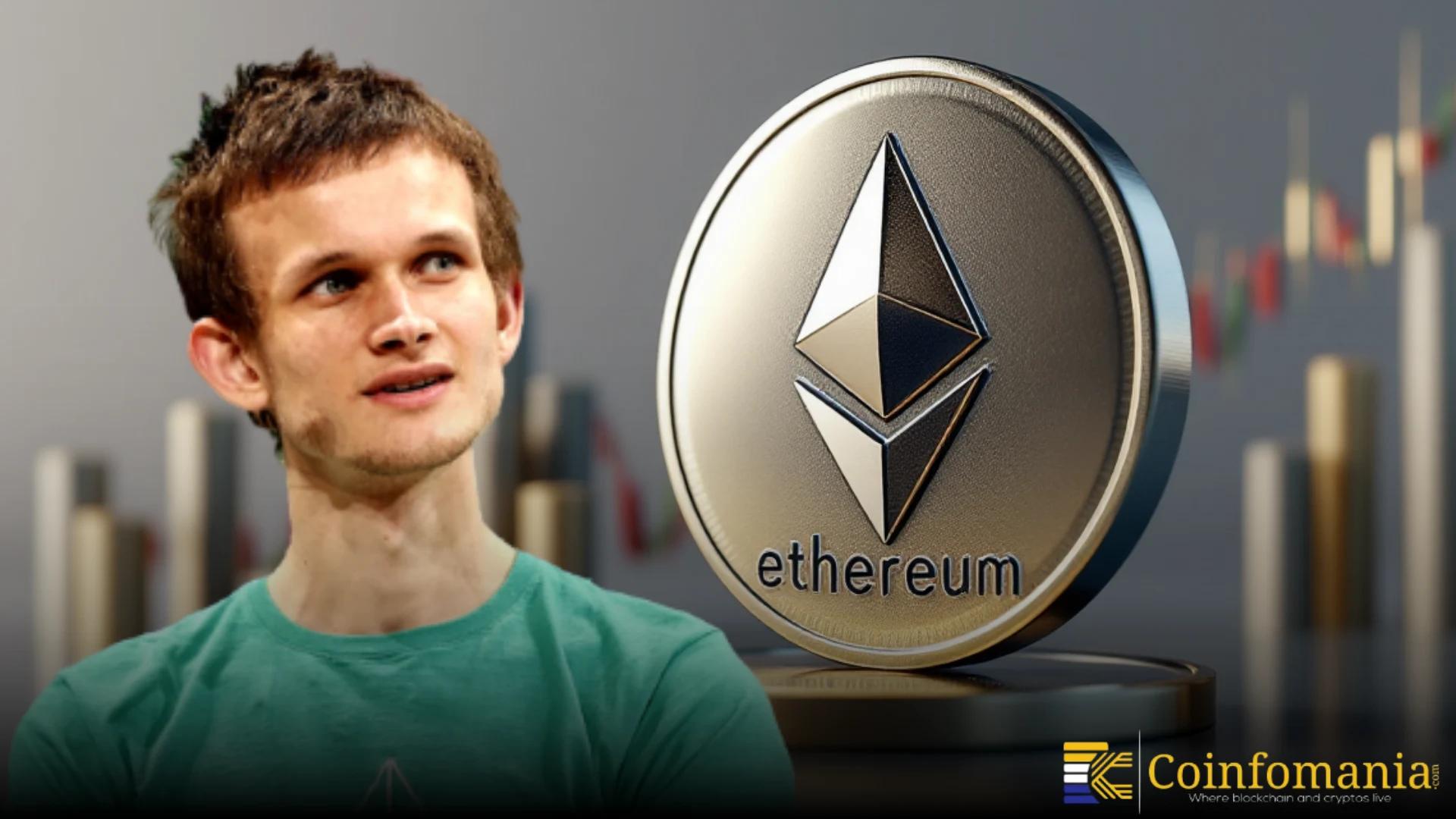
Vitalik Buterin Pushes Forward Idea Of Onchain Gas Futures To Stabilize Ethereum Fees

Let’s uncover how an onchain gas futures market can reshape Ethereum fees and protect users from rising costs as network adoption accelerates.
Quick Take
Summary is AI generated, newsroom reviewed.
Vitalik proposes onchain gas futures to stabilize gas costs.
The system reduces Ethereum fee volatility as adoption grows.
Users gain strong tools for gas price hedging inside the network.
The proposal supports a more predictable and scalable Ethereum ecosystem.
Ethereum continues to evolve as developers push hard to improve the network’s usability and predictability. Vitalik Buterin now proposes a fresh system that could transform how users deal with rising gas costs. His idea introduces onchain gas futures, a market structure that gives users a way to lock future gas prices with more confidence. This proposal arrives at a time when adoption grows and fees show frequent swings.
The concept matters because users and developers often face unpredictable Ethereum fee cycles. Some days the network feels smooth. Other days a spike in activity pushes gas to painful levels. These unpredictable costs affect wallets, dApps, traders, and businesses. By bringing onchain gas futures into the ecosystem, Vitalik wants to give users real control, similar to how traditional markets hedge risk.
His idea signals an important shift in how Ethereum may manage economics in the long run. It also shows that the chain aims to support users as activity increases. The system gives dApps and power users a chance to use gas price hedging tools inside the network. This could become a major step toward making Ethereum more stable and friendly for daily use.
⚡ NEW: Vitalik Buterin proposes onchain gas futures market for Ethereum to help users hedge against network fee volatility as adoption increases. pic.twitter.com/G38EsSlTb0
— Cointelegraph (@Cointelegraph) December 8, 2025
New Idea Attempts To Fix Ethereum Fee Chaos
Vitalik highlights that rising adoption creates congestion. Users flood the chain during mint events, market volatility, or major releases. This leads to Ethereum fee volatility, which hurts predictable activity. People avoid sending transactions when they fear sudden spikes.
He explains that onchain gas futures can solve this. The system allows users to pre-pay for future block space. This locks their gas prices even when network demand rises. Such a mechanism helps users who operate automated systems, trading bots, staking apps, or high-frequency dApps.
Vitalik believes this solution brings more fairness. Traders can hedge risk. Projects can plan. Users can send transactions without fear. This increases efficiency across the entire network.
How An Onchain Gas Futures Market Works In Simple Terms
Vitalik’s proposal builds a marketplace where buyers and sellers trade future gas prices. A user buys a contract for block space at a fixed price. When the block arrives, they can use that space without worrying about sudden network spikes.
This market structure helps both sides. A buyer gets locked prices. A seller earns by predicting future demand. The entire process happens onchain with full transparency. This supports trust while reducing Ethereum fee volatility.
The market could also plug into existing DeFi tools. Developers can build dashboards, aggregators, and apps that make gas price hedging simple for beginners. This integration also brings more liquidity for long-term use.
Why Ethereum Needs A Better System For Predictable Fees
Ethereum grows every year. These improvements increase activity and place pressure on block space. A predictable fee model helps growth because it supports serious businesses that rely on stable transaction costs.
Vitalik argues that onchain gas futures create a more reliable environment. The network attracts institutional players, big brands, and global developers. These groups need stable cost structures. When they hedge using gas price hedging, they can plan budgets without surprises.
Conclusion
Vitalik’s idea remains a proposal. The community must study, refine, and test it. Ethereum often pushes upgrades only after long discussion and careful review. The concept of onchain gas futures still needs experimentation and risk analysis. However, the idea grows interest fast. Developers see clear benefits. dApps want predictable fees. Traders want hedging tools. The community believes that reducing Ethereum fee volatility supports long-term growth.


Follow us on Google News
Get the latest crypto insights and updates.