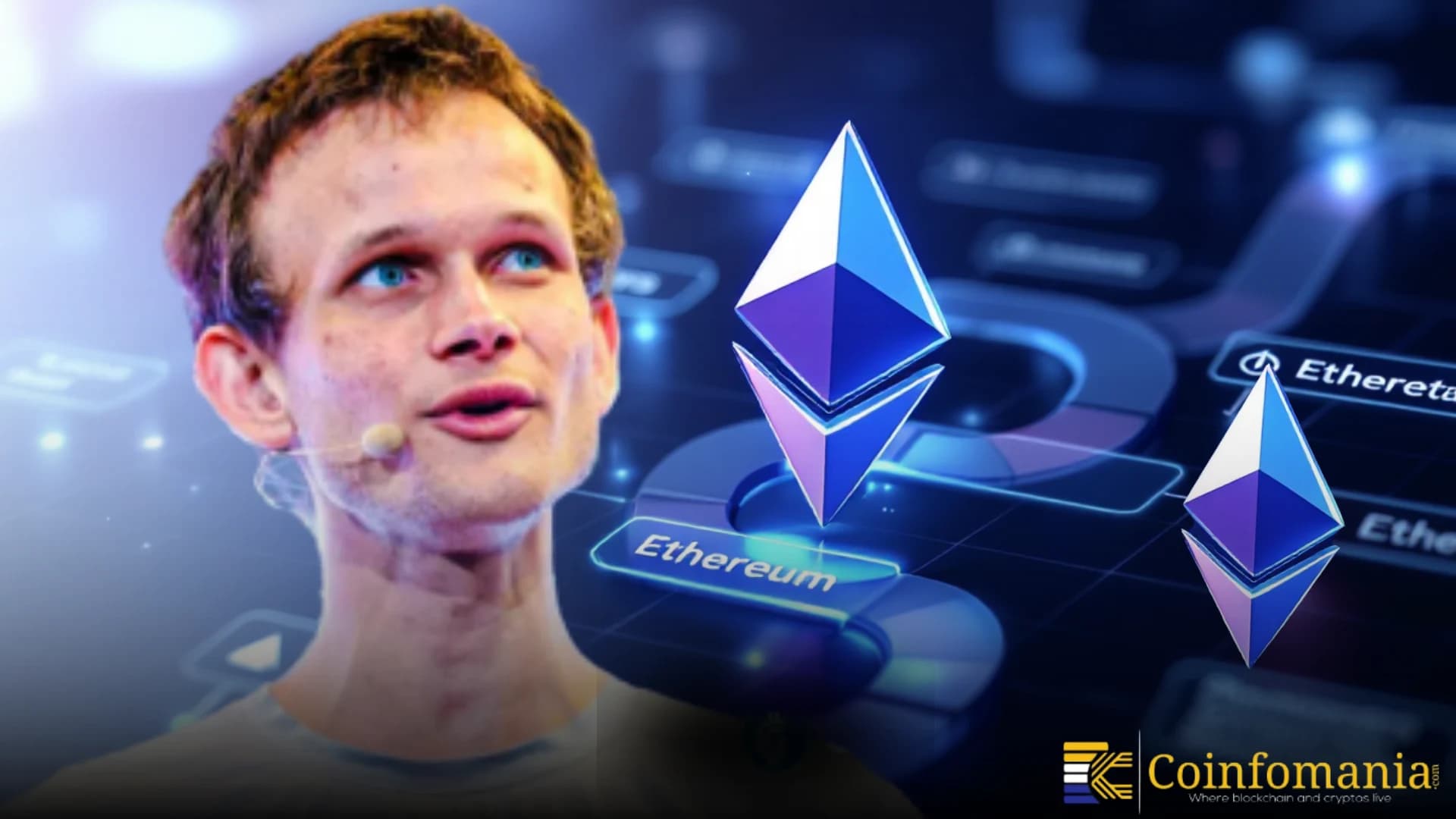
Vitalik Buterin Outlines Ethereum’s Roadmap for the Next 100 Years

Vitalik Buterin unveiled a 100-year Ethereum roadmap, introducing the "walkaway test" to ensure network survival without active developers
Quick Take
Summary is AI generated, newsroom reviewed.
Ethereum must pass a "walkaway test" to function without developer intervention.
Roadmap targets 100-year cryptographic security through quantum-resistant upgrades.
PeerDAS and ZK-EVM integration aim to resolve the "Blockchain Trilemma" permanently.
2026 upgrades will focus on gas limit increases and distributed block building.
Vitalik Buterin has shared a long term vision for the future of Ethereum. In a post on X today, he explained what Ethereum must become if it wants to survive and stay useful for the next 100 years. His main idea is simple. Ethereum should work even if its developers disappear one day. The network must be strong enough to run on its own. Vitalik calls this the “walkaway test.” If everyone building Ethereum today walked away, the system should still keep running safely.
Ethereum Must Be Like a Tool, Not a Service
Vitalik says Ethereum should be more like a hammer you own. Once you buy a hammer, it works forever. You do not depend on a company to keep updating it. Similarly, apps built on ETH should not stop working if a company shuts down or gets hacked. Users should stay in control of their money and data. But for that to happen, ETH itself must be strong and independent. Vitalik Buterin wrote: “Ethereum itself must pass the walkaway test.” That means Ethereum should not depend on constant updates from developers to stay useful.
Ethereum Must Be Ready for the Next 100 Years
Vitalik listed several big goals ETH must reach over the next few years. First, ETH must become quantum-resistant. This means future quantum computers should not be able to break its security. He said, “Ethereum’s protocol, as it stands today, is cryptographically safe for a hundred years.”
Ethereum itself must pass the walkaway test.
— vitalik.eth (@VitalikButerin) January 12, 2026
Ethereum is meant to be a home for trustless and trust-minimized applications, whether in finance, governance or elsewhere. It must support applications that are more like tools – the hammer that once you buy it's yours – than like…
Second, “The protocol needs to have the properties that allow it to expand to many thousands of TPS over time, most notably ZK-EVM validation and data sampling through PeerDAS.” These upgrades help ETH handle much more activity without slowing down. In addition, they need a long-term data system. Indeed, as the network grows, it must store data in a way that does not overload computers or make syncing too slow.
Fourth, Ethereum must upgrade its account system. This will remove old signature rules and make wallets more flexible and powerful. Fifth, ETH must keep its gas system safe so attackers cannot slow the network. Sixth, Ethereum’s Proof-of-Stake model must stay decentralized and fair for many decades. Finally, it must protect against block building centralization. So no single group can control which transactions get included.
Fewer Forks, More Stability
Vitalik Buterin wants Ethereum to reach a point. Where most upgrades are simple parameter changes. That means fewer risky hard forks and smoother updates. He believes ETH should complete at least one major upgrade goal every year. His focus is clear. Build Ethereum once, build it right and make it last for generations.
A Network Built to Last
Vitalik closed his message with confidence. Specifically, he wants Ethereum to become a true foundation for finance, identity, governance, and social systems. He envisions a network that people can trust for decades. As he put it: “Ethereum goes hard. This is the gwei.” Furthermore, the future of Ethereum, he says, is not just about growth; rather, it is about survival.


Follow us on Google News
Get the latest crypto insights and updates.