US Iran Ceasefire Plan May Reopen Strait of Hormuz This Week

The U.S. and Iran received a Pakistan-backed "Islamabad Accord" proposal for an immediate ceasefire and the reopening of the Strait of Hormuz.
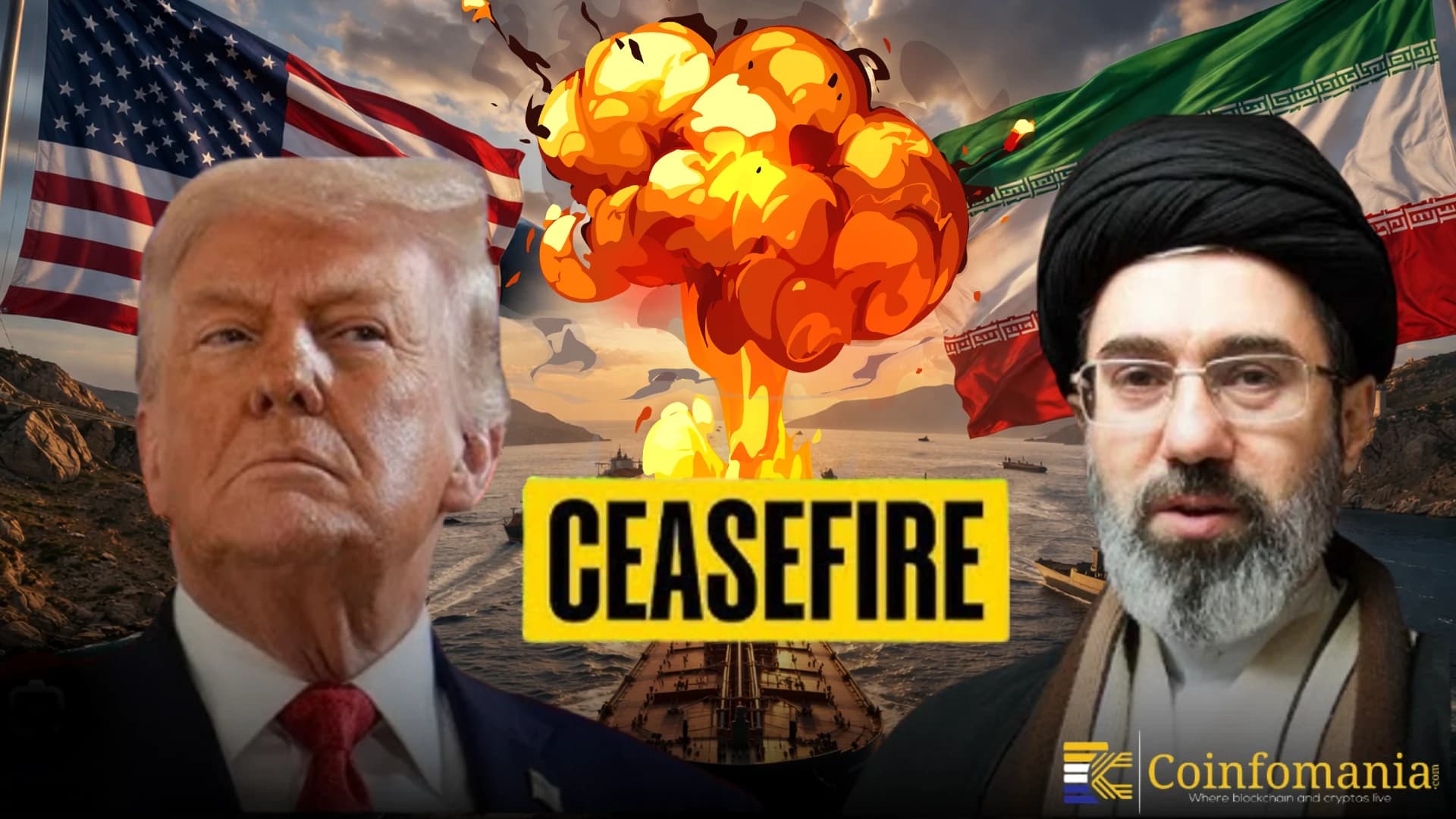
Quick Take
Summary is AI generated, newsroom reviewed.
The Islamabad Accord proposes an immediate ceasefire followed by a 20-day negotiation on nuclear terms and sanctions.
President Trump set a Tuesday deadline for Iran to reopen the strategic waterway or face military strikes on infrastructure.
Saudi Aramco raised oil premiums to a record $19.50 as the blockade continues to halt global energy shipments.
Iranian officials rejected the ultimatum, refusing to reopen the Strait under temporary terms or external pressure.
A new peace plan could change the direction of the conflict between the United States and Iran. Reports suggest both sides have received a proposal. That may lead to a ceasefire within days. If it works, the Strait of Hormuz could reopen very soon. This matters because the Strait handles a large share of the world’s oil supply. But the situation is still uncertain. Talks are ongoing and no final agreement has been reached yet.
A Two-Stage Plan to End the Conflict
The proposal follows a clear structure. First, both sides would agree to an immediate ceasefire. This step would aim to stop further damage and calm tensions quickly. Next, negotiators would work on a full agreement within 15 to 20 days. This final deal is being called the “Islamabad Accord.”
🚨BREAKING: The US and Iran have received a plan to END THE WAR as early as Monday, potentially reopening the Strait of Hormuz, per Reuters.
— Coin Bureau (@coinbureau) April 6, 2026
Details include:
1. The proposal outlines a two-stage deal: an immediate ceasefire followed by a full agreement within 15–20 days
2. The…
It would include several key points. Iran would agree not to pursue nuclear weapons. In return, it would receive sanctions relief and access to frozen assets. While regional rules for the Strait of Hormuz would be set. Final talks are expected to take place in Islamabad.
Strait of Hormuz at the Center of the Crisis
The Strait of Hormuz is vital to global trade. It connects major oil producers and the rest of the world. So, when it closes, markets react fast. Oil prices jump and uncertainty spreads across industries.
🚨 BREAKING: Iran signals resistance to ceasefire plan, saying it will NOT accept deadlines or pressure, per Reuters.
— Coin Bureau (@coinbureau) April 6, 2026
A senior Iranian official confirmed they received Pakistan’s proposal but rejected reopening the Strait of Hormuz for a temporary ceasefire, adding the US is…
The impact is already visible in energy markets. Saudi Aramco has raised crude prices sharply for Asian buyers. Prices for its key oil grade have jumped to record levels in a short time. This shows how sensitive the market is to the situation. If the Strait reopens, supply could stabilize. But if talks fail, prices may rise even more.
Iran Pushes Back as Talks Continue
But the situation is far from settled. Iran has not agreed to the plan yet. In fact, officials have pushed back against key parts of the proposal. They rejected the idea of reopening the Strait under a temporary ceasefire.
They also said they will not accept deadlines or outside pressure. This shows that trust between both sides remains low. While sources say President Trump has taken a strong stance. The chances of a quick agreement are still uncertain. Some reports even describe the talks as a “last effort” to avoid further escalation.
Markets React to Uncertainty
Markets are already feeling the effects. Oil prices have risen due to supply concerns. Additionally, risk assets like crypto and stocks are reacting to every update. Even small signals from leaders are moving prices. Some prediction platforms now show rising chances of further escalation.
This reflects how uncertain the outlook remains. There is still hope. Diplomatic talks are active and mediators continue to push for a deal. The world is currently watching closely. A ceasefire could bring relief. But if talks fail, tensions may rise even further.
References


Follow us on Google News
Get the latest crypto insights and updates.