US Fed Adds $74.6B Liquidity in New Year Market Operations

The Federal Reserve's Standing Repo Facility hit a record $74.6B to stabilize year-end funding markets amid a massive surge in silver.
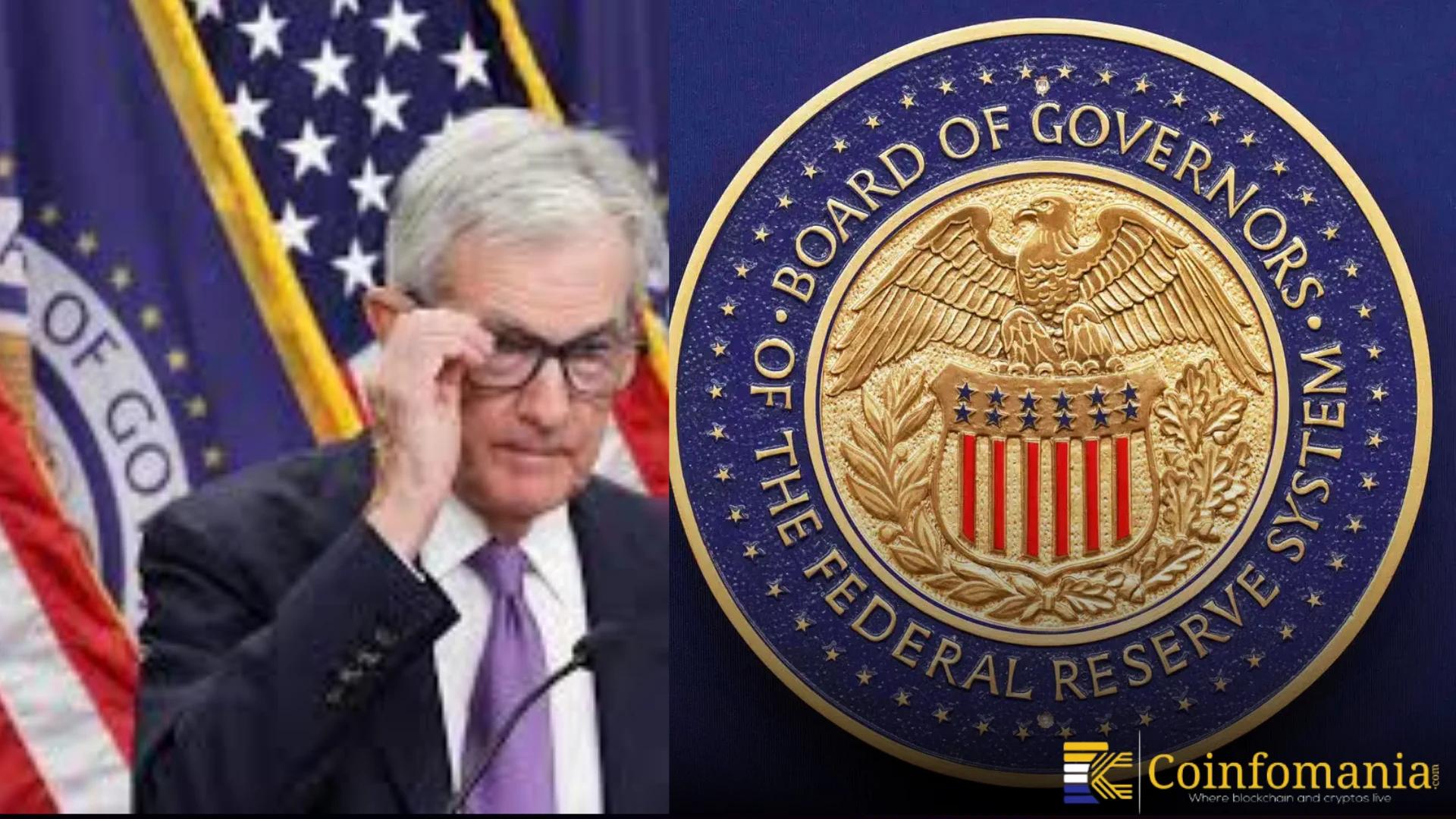
Quick Take
Summary is AI generated, newsroom reviewed.
Banks borrowed a record $74.6 billion through the Standing Repo Facility.
The operation provided a critical backstop against year-end liquidity spikes.
Borrowing was split between $31.5B in Treasuries and $43.1B in MBS.
Usage peaked as private repo rates hit 3.9%, exceeding the Fed's 3.75%.
The Federal Reserve opened 2026 with a large short-term liquidity operation. It is lending $74.6 billion to U.S. banks through its Standing Repo Facility. The move quickly drew attention on social media. With some posts describing it as a massive cash “injection” into the economy. However, market analysts and Fed watchers say the operation reflects routine year-end funding dynamics. Rather than signs of financial stress.
Standing Repo Facility Sees Full Allotment
According to data from the New York Fed, banks borrowed a total of $74.6 billion through the Standing Repo Facility at the turn of the year. Of that amount, roughly $31.5 billion was backed by U.S. Treasuries. While about $43.1 billion was secured by mortgage-backed securities.
The Standing Repo Facility, introduced in 2021, allows eligible institutions to quickly exchange high-quality collateral for cash. The loans are short-term by design. Most mature overnight, although some can extend up to one week. As a result, the balances typically fall back to zero shortly after the operation settles. This pattern has repeated many times since the facility was launched.
Year-End “Window Dressing” Drives Demand
Liquidity demand often rises at year-end as banks adjust balance sheets to meet regulatory and reporting requirements. This process, commonly known as “window dressing.” It can temporarily tighten cash conditions in the interbank market. Analysts note that these pressures are predictable and seasonal. The Federal Reserve has repeatedly stated that it expects banks to use the facility during such periods. It views that usage as a sign that the system is working as intended. In addition, elevated activity in the Fed’s reverse repo facility has offset some of the liquidity flows. This reinforces the view that overall conditions remain stable.
Claims of Crisis Push Back Online
Despite the routine nature of the operation, several market commentators framed the move as the Fed largest liquidity injection since the COVID-19 crisis. Others suggested links to stress in commodity or crypto markets. However, economists and macro analysts pushed back on those claims. They pointed out that the Standing Repo Facility is a backstop, not a stimulus tool. It does not represent permanent money creation and does not signal emergency support. Recent market activity also offered little evidence of panic. U.S. equity markets remained steady and funding markets showed no signs of dysfunction following the operation.
What It Means Going Forward
Fed’s $74.6 billion figure may look large in isolation, but context matters. Similar spikes have appeared at past quarter ends and year ends, only to reverse within days. Currently, the Fed action appears consistent with its broader approach of maintaining smooth market functioning. While avoiding unnecessary intervention. Unless repo usage remains elevated beyond seasonal norms. Analysts see little reason to interpret the move as a warning signal.
As trading resumes fully in early January, attention will shift to whether Repo Facility balances quickly normalize. As they have in previous cycles. If they do, the episode will likely be remembered as another routine year end liquidity adjustment. Rather than a turning point for markets.
References


Follow us on Google News
Get the latest crypto insights and updates.