Trump Asian Market 48-Hour Iran Deadline Just Wiped Out $700B

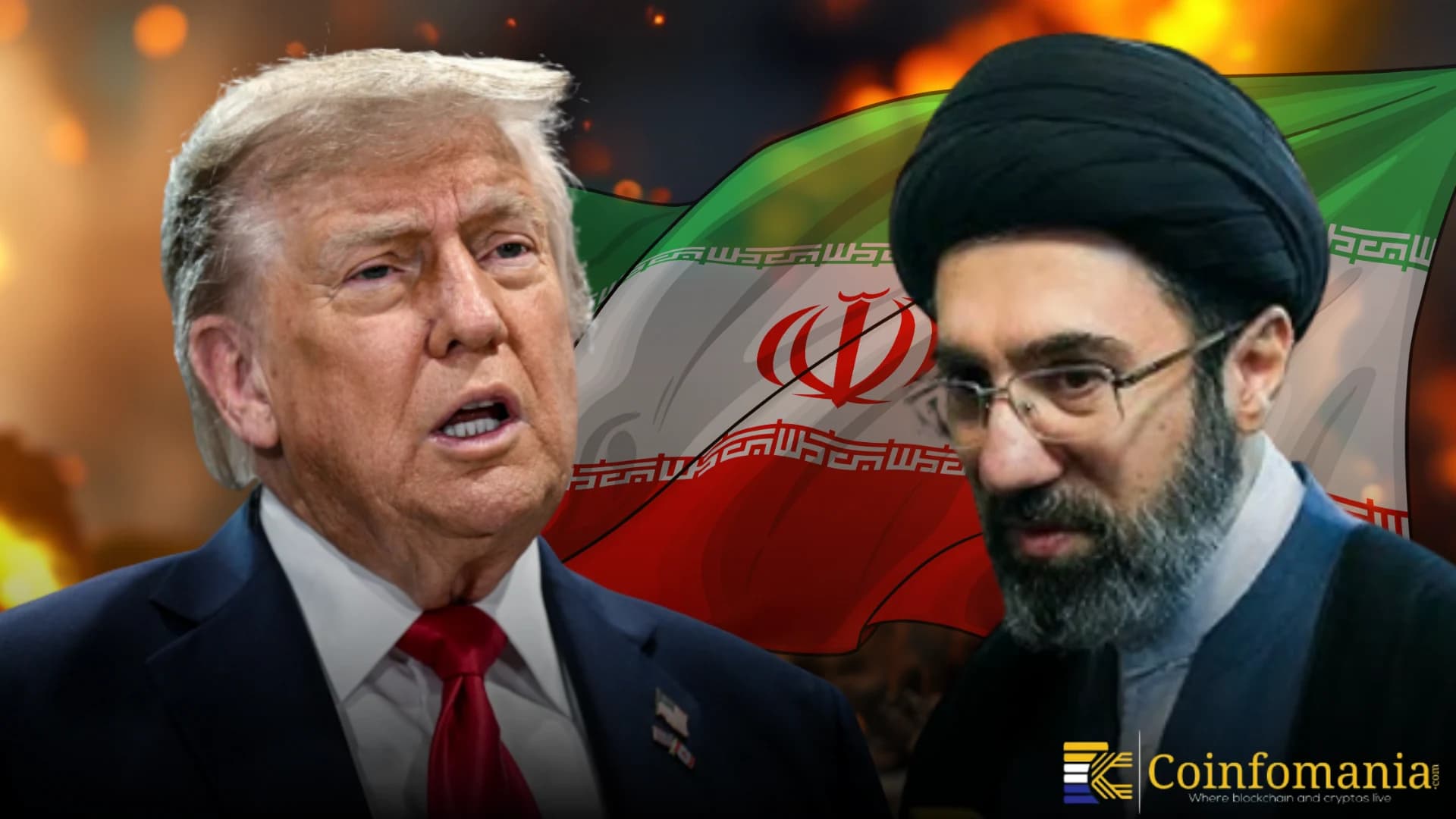
Asian markets lose $700 billion amid Trump - Iran tensions, as rising oil prices and geopolitical risks trigger investor selloff volatility.
Quick Take
Summary is AI generated, newsroom reviewed.
Asian markets lost over $700 billion in value during opening trades
Sell-off linked to escalating tensions between U.S. and Iran
Major indices across Asia recorded sharp declines
Rising oil prices added to market pressure
The latest decline in Asian markets reflects heightened concerns over geopolitical risks, particularly involving the United States and Iran. Escalating tensions between the two nations have triggered a strong reaction from investors, leading to widespread selling across major financial markets. This kind of uncertainty often creates immediate ripple effects, especially in regions closely tied to global trade and capital flows.
🩸CRASH:
— Crypto Rover (@cryptorover) March 23, 2026
Absolute bloodbath in Asian markets today as they open for the first time since Trump gave a 48-hour deadline to Iran.
$700+ billion wiped out. pic.twitter.com/iAZ0bAtnlv
Geopolitical Tensions Drive Sharp Market Reaction
Markets across Asian opened lower, with key indices recording notable losses. In Japan, futures linked to the Nikkei 225 pointed toward a sharp decline, while markets in China and Hong Kong also experienced downward pressure. India followed the same trend, with benchmark indices reflecting investor caution. The coordinated nature of this decline suggests a unified response to geopolitical developments rather than isolated market movements.
Such volatility highlights how sensitive global markets are to political instability. When uncertainty rises, investors often reduce exposure to equities and move capital into safer instruments. This shift can accelerate sell-offs and amplify short-term volatility, particularly when combined with already fragile market sentiment.
Asian Investor Sentiment
The sharp drop in Asian markets may have broader implications for global financial systems, as investor sentiment often spreads quickly across regions. Large-scale sell-offs can trigger a chain reaction, influencing trading behavior in Europe and North America. This interconnectedness means that regional tensions can evolve into global financial concerns within a short period.
Rising oil prices have added another layer of pressure. Energy markets tend to react strongly to geopolitical risks, especially when supply chains may be affected. Higher oil prices can increase inflation expectations and complicate central bank policies, potentially slowing economic growth. These conditions often push investors toward defensive strategies, including reallocating capital or reducing overall market exposure.
Digital assets such as Bitcoin may also experience volatility during such periods. While some investors consider crypto as an alternative asset, its behavior often depends on broader market sentiment. Analysts note that although geopolitical shocks can trigger immediate reactions, markets have historically shown the ability to stabilize once uncertainty begins to ease.
Global Spillover Effects and Safe Haven Demand
The impact of geopolitical Asian tensions is not limited to equity markets alone, as other asset classes often respond simultaneously. During periods of heightened uncertainty, investors tend to shift capital toward traditionally safer assets such as government bonds, gold, and cash equivalents. This movement reflects a broader effort to preserve capital rather than pursue high-risk returns.
Currency markets can also experience fluctuations as demand shifts toward stable economies. The U.S. dollar, for instance, often strengthens during global uncertainty due to its reserve currency status. At the same time, emerging market currencies may face pressure as capital flows outward, further amplifying financial instability in those regions.
In this environment, global investors adopt a more cautious and defensive approach. Portfolio diversification, risk management, and close monitoring of geopolitical developments become essential strategies. While short-term volatility may persist, the long-term impact will largely depend on how tensions evolve and whether diplomatic or economic resolutions emerge.
References


Follow us on Google News
Get the latest crypto insights and updates.