Solana Validator Numbers Slide 68% Since 2023, Community Divided

Solana's validator count has dropped sharply by 68% since March 2023, from over 2,500 to about 800, leading to a community debate.
Quick Take
Summary is AI generated, newsroom reviewed.
Solana's active validator count has seen a sharp decline, falling from over 2,500 in March 2023 to approximately 800, representing a 68% decrease.
One perspective argues the decline is a beneficial "healthy pruning" that removes Sybil nodes and improves the genuine decentralization and quality of the network.
An opposing view, supported by infrastructure teams, suggests the exits are genuine operators who were forced out by high hardware and bandwidth costs and shifting staking rewards.
The real impact on decentralization depends on the distribution of stake among the remaining 800 validators, which is the key metric for network control and resilience.
Solana’s validator has shrunk sharply over the past three years. In March 2023, the blockchain had more than 2,500 active validators. Today, that number sits near 800. That marks a steep decline of about 68%. Validators play a key role in keeping Solana running. They confirm transactions and sign blocks. They also help protect the network from attacks. Fewer validators mean fewer independent machines securing the chain. That fact alone has sparked fresh debate across the Solana community.
Data from community trackers and third-party dashboards shows the drop happened in phases. Some exits came during market downturns. Others followed changes in staking rewards and operating costs. Now, with the number stabilizing near 800, the network faces tough questions. Is this a cleanup phase or a warning sign?
Some See “Healthy Pruning” of Sybil Nodes
Not everyone sees the decline as bad news. A group of community members argues that the fall reflects quality over quantity. They believe many of the exited validators were Sybil nodes. Sybil nodes appear as many operators but belong to a single entity. These setups can distort decentralization. They inflate numbers without adding real independence.
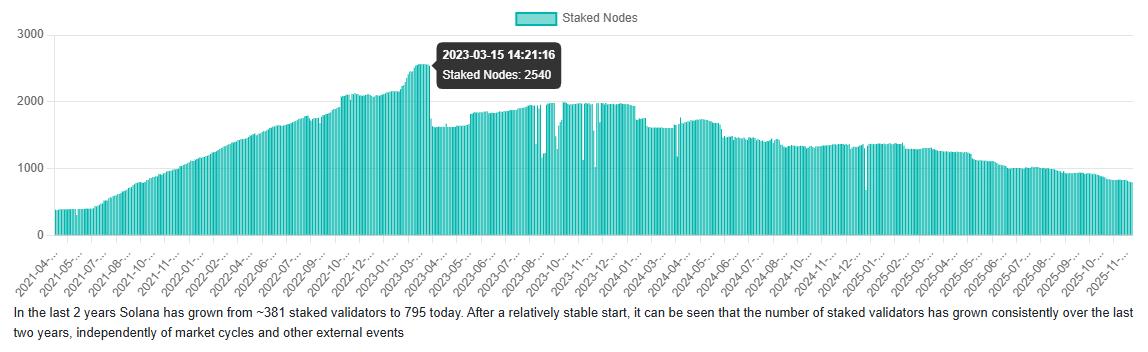
Chart 1 – Evolution of validators on the Solana network, Source: solanacompass
From this view, losing Sybil validators makes the network stronger. Supporters say 800 honest operators beat 3,000 questionable ones. They argue that trust, not size, defines decentralization. They also point out that smaller, serious validators often carry more meaningful stake and responsibility. If the exit cleans out fake diversity, the chain may now be more resilient. This view has gained traction on social media. It frames the drop as a necessary reset.
Infrastructure Teams Say Many Exits Were Real Operators
Others strongly disagree with the Sybil-only narrative. Conversely, infrastructure builders working close to Solana’s validator layer say most exits were real teams. For instance, Layer 33, a group that builds operational tools for Solana nodes, shared that they personally know many of the teams that shut down. According to them, therefore, most were not Sybils; they were genuine operators who could no longer absorb the cost.
Running a Solana validator is expensive. Hardware demands remain high. Bandwidth costs add up. Staking rewards have also shifted over time. For smaller operators, margins grew thin fast. Some teams also faced technical pressure. Frequent software updates and performance targets made long-term operations harder. Over time, many simply chose to exit. This paints a different picture. Instead of a cleanup, the decline may reflect economic stress across the validator ecosystem.
What Really Matters for Decentralization
The core issue now is not just the number of validators. It is how power spreads among those who remain. If 800 validators share stake evenly, Solana can still claim strong decentralization. If a few large players control most of the voting power, risks rise fast. Currently, analysts say both factors matter. Validator count shows surface health. Stake distribution shows real control. Without transparency in both, the debate will not settle.
Solana developers continue to work on lower-cost hardware profiles and better validator tools. Essentially, the goal is simple: make running a node easier and make quitting less necessary. However, for the community, the story remains split. Some see discipline at work; conversely, others see strain beneath the surface. Nevertheless, both sides agree on one thing. Validator health will shape Solana’s future more than any short-term price move.


Follow us on Google News
Get the latest crypto insights and updates.