RBI Deputy Governor Challenges Bitcoin’s Real Value Narrative

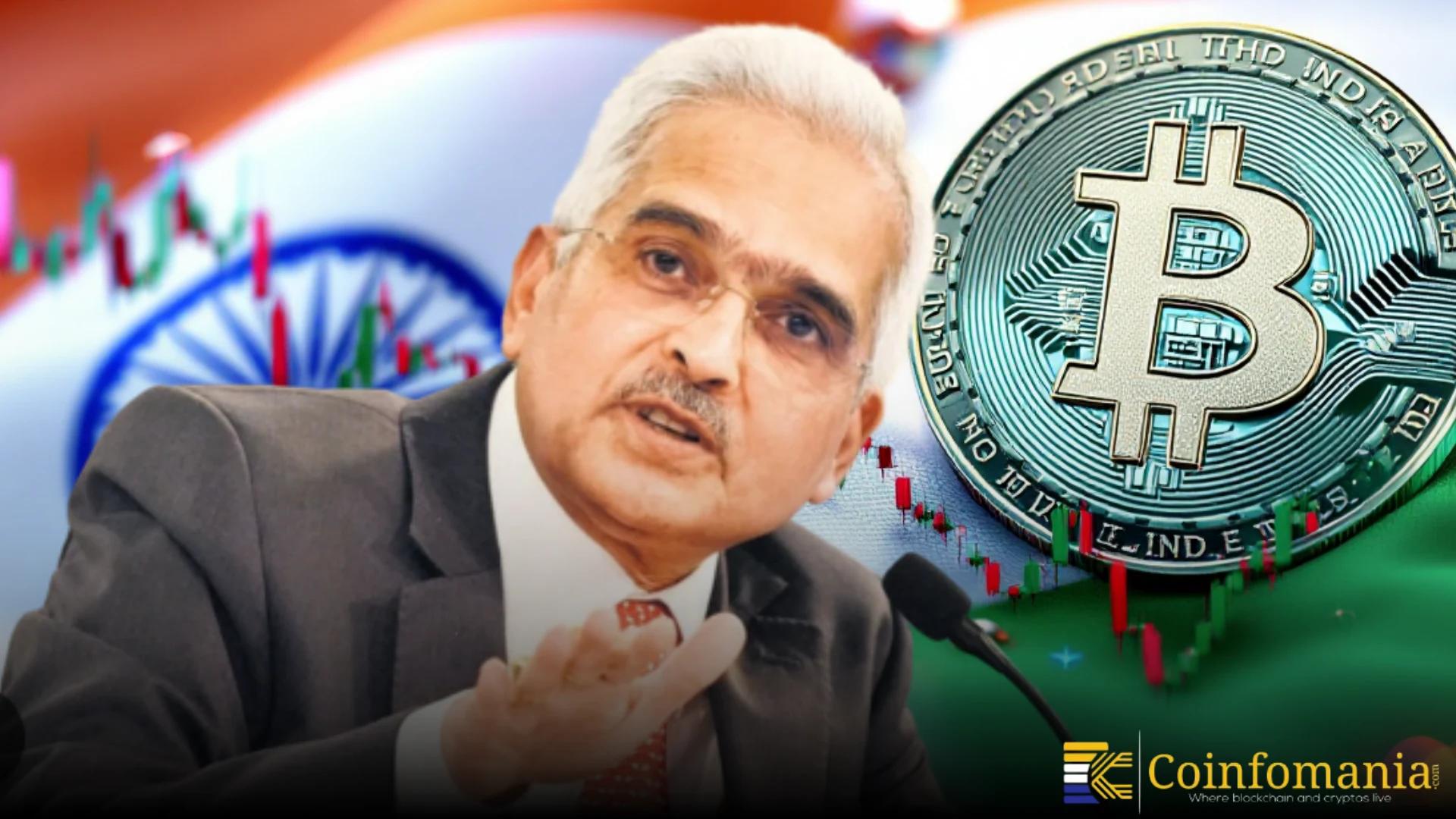
RBI Deputy Governor Rabi Sankar calls Bitcoin a speculative bubble, compares it to tulip mania, and questions its value.
Quick Take
Summary is AI generated, newsroom reviewed.
RBI Deputy Governor Rabi Sankar dismissed Bitcoin’s intrinsic value.
He compared Bitcoin’s rise to the 1637 Dutch tulip mania.
The RBI stressed Bitcoin lacks issuer backing and cash flows.
India leads global crypto adoption despite strict taxation.
Deputy Governor of RBI T. Rabi Sankar hit the Bitcoin debate hard. He delivered the speech in the Mint Annual BFSI Conclave 2025. He did not believe that Bitcoin has real or intrinsic value and also likened its price increase to the Holland tulip mania of the 17 th century. Sankar emphasized that Bitcoin has no issuer support. The lack of cash flows was also highlighted by him. These aspects make Bitcoin not a stable financial instrument according to his opinion. His remarks reiterate the long held doubts of RBI with regard to privacy cryptocurrencies.
Volatility Risk is brought into fore by Tulip Mania Comparison
Sankar applied the tulip mania analogy to emphasize risk. He pitched the valuation of Bitcoin as being sentiment-based. He claimed that it is more speculation than fundamentals that drives its price. The comparison sends a warning to retail investors. It emphasizes the threat of seeking quick profit. The RBI still gives preference to financial stability. Sankar cautioned that unregulated assets have the potential of increasing systemic risk. He underlined that an increase in price does not entail value creation. He argued that sustainable assets need trust, support and responsibility. These opinions are similar to the previous RBI opinions. The Federal Reserve has urged a number of times against crypto exposure.
Cryptocurrency development in India faces Cynicism on the Part of the Regulators
The crypto industry in India is still expanding even with the severe criticism. The nation has an almost 119 million crypto users. It is the biggest crypto user base in the world. The growth is fuelled by young investors. Upwards of 37 percent are gen z users. This expansion continues even after the high taxation. India levies a tax of 30 percent on crypto profits. It also levies 1 percent TDS on all transactions. These steps minimized the trade volumes. They did not put a halt to participation. They are still being developed. Users continue to be onboarded through exchanges. The interest in retail is high throughout the cycles.
Bitcoin is trading close to 90,000. It is in a position of about 30% less than the all-time high. Nevertheless, the demand is stable. Holders of long term are still increasing. The institutional interest is still present in the world. The adoption measures continue to increase. Chainalysis places India at the forefront in grassroot crypto adoption. Proponents claim that the supply of Bitcoin becomes fixed and thus it becomes valuable. They view the decentralization as its support. They rebuff the analogies to historical bubbles. This is a gap that keeps on growing. Regulators focus on risk. Markets are based on the scarcity and utilization.
Market Reality Collides With Policy Concerns
The comments by the RBI indicate that there is a greater policy divide. Regulators focus on stability and control. Crypto contradicts the two ideas. Sankar warns as a way of being careful and not reformation. There is still no extensive crypto system in India. Internal policy debate still goes on. In the meantime, implementation occurs at grass roots. Bitcoin is still at the point of this tension. Price charts are no longer the focus of dispute. It strikes ideology, faith, and money of tomorrow. Both parties do not seem willing to move their position.
References


Follow us on Google News
Get the latest crypto insights and updates.