RALPH Token Plunges 80% After Developer Sells $300,000 in Tokens

Creator of the Ralph Wiggum AI technique, triggered an 80% price crash in the $RALPH token after a $300,000 "de-risking" sale.
Quick Take
Summary is AI generated, newsroom reviewed.
Developer Geoffrey Huntley sold $300,000 in $RALPH tokens on Thursday.
Token price plummeted 80%, dropping from $0.05 to below $0.01.
Market cap crashed from $50 million to $8 million within hours.
Huntley claims the sale was for "de-risking" despite community trust concerns.
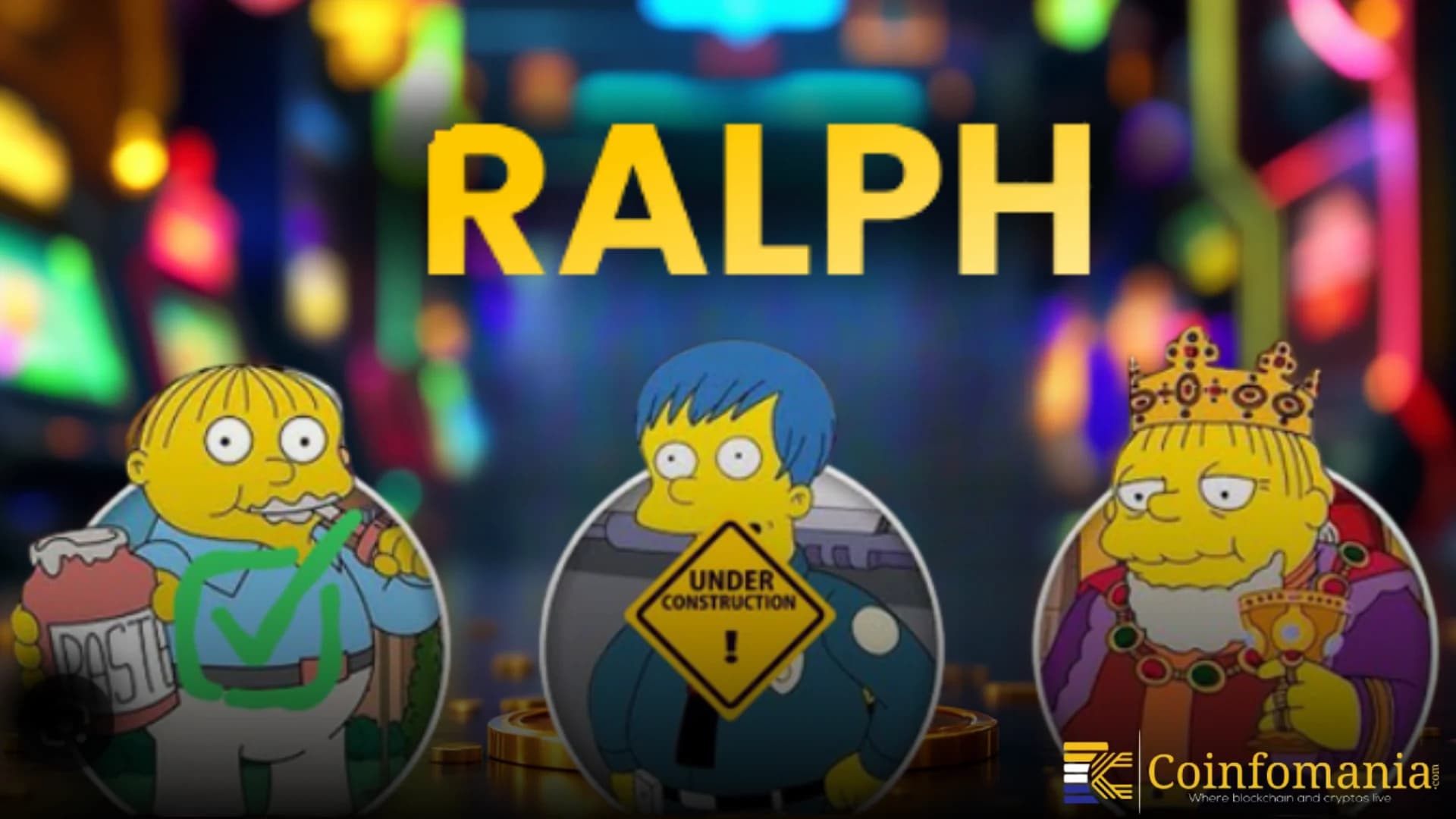
The meme coin RALPH token has crashed hard. The token lost around 80% of its value within hours after its creator sold a large chunk of his holdings. Geoffrey Huntley, the developer behind the viral “Ralph Wiggum Technique” for AI coding. He sold about $300K worth of RALPH tokens. The sale happened early Thursday during thin trading hours.
Soon after, the price collapsed from around $0.05 to under $0.01. The market cap fell from nearly $50 million to around $8 million. Many traders were caught off guard. Huntley had earlier suggested he would not dump his tokens. But he later confirmed the sale and called it a “de-risking” move.
The Ralph Wiggum trend and token backstory
The Ralph Wiggum Technique became popular in 2025 and 2026. It uses a simple AI loop to solve software tasks. Developers shared it widely across tech and crypto circles. Soon after, a community launched the $RALPH meme coin on Solana. The token was inspired by Huntley’s work. But it is not an official Base project, despite some early claims.
The project runs on BagsApp. The platform routes trading fees to creators. In RALPH’s case, 99% of royalties go to fund Huntley’s AI and evolutionary software research. At launch, hype pushed RALPH fast. Within two weeks, the token reached a peak market cap near $60 million. Then came the price crash.
Developer confirms sale and defends decision
On-chain data from Bubblemaps shows Huntley sold around 200 SOL worth of RALPH. That equals roughly $300K at the time. He used personal wallets and split the sale across several swaps. He did not sell from the main creator wallet. Huntley later confirmed the sale on X. He said he needed to “de-risk” his position so he could think long term.
JUST IN: 🐳 The dev of $RALPH just sold $300k
— Bubblemaps (@bubblemaps) January 22, 2026
Causing a -80% price candle
His cluster still holds 3% of the supply pic.twitter.com/JK5Uap2R63
The developer also said he could have waited 12 hours for the next vesting unlock but he chose not to. Geoffrey Huntley added that he still holds around 3% of the total token supply. He also shared a Streamflow vesting link to show continued commitment. His message was clear. He is not leaving but he needed to take money off the table. Not everyone accepted that explanation.
Thin liquidity triggers chain reaction
The market impact was brutal. Because liquidity was low, even a sale of about 2% of supply caused massive slippage. Panic spread fast and holders rushed for the exit. Soon after Geoffrey Huntley’s sale, Bubblemaps tracked a newly funded whale wallet dumping another $115K worth of RALPH. That made the price crash even worse.
Social media exploded. Some traders accused Geoffrey Huntley of breaking trust. Others said he should have sold OTC or added his tokens to liquidity pools instead. Many compared the situation to earlier meme coin blowups. Some defended him, others said this is exactly why meme coins are risky.
A reminder of meme coin reality
This episode highlights a familiar crypto story. Meme coins move fast. Liquidity is thin and trust matters more than code. Geoffrey Huntley had already claimed over 1,000 SOL in fees from BagsApp. That made the sell-off feel worse for many holders. Even so, on-chain data stayed transparent. The wallets are public and transactions are visible. In meme coins, hype builds fast. But confidence breaks even faster. RALPH is now a case study. Big dreams, pumps and one big red candle.


Follow us on Google News
Get the latest crypto insights and updates.