News · Últimas Notícias
Binance Faces MiCA July Deadline — How Will It Affect USDT Liquidity?
The deadline for MiCA regulations poses significant challenges for Binance's operations and USDT liquidity.
· 2 Min
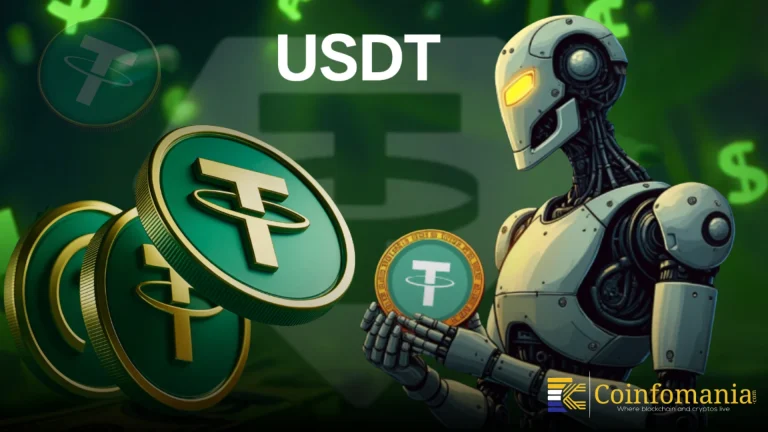
Tether (USDT) operates as a digital dollar, launched in 2014 to match the US dollar's value 1:1. Now in 2025, it remains crypto's most-used stablecoin because it solves a key problem: volatility. When crypto prices swing wildly, traders park funds in USDT. Businesses use it for cross-border payments without traditional banking delays. Three factors explain its dominance: actual dollar reserves (unlike some stablecoins), acceptance on every major exchange, and compatibility with multiple blockchains. Though not for earning profits, USDT has become essential infrastructure - like digital cash that makes the crypto economy function smoothly every day.
Tether's stability comes from a simple promise: every USDT in circulation is backed by real assets. Here's how the system functions:
Unlike regular cryptocurrencies that rise and fall, USDT mimics traditional money - but with blockchain's speed for transfers. The company's transparency about reserves helps maintain trust in the peg.
Unlike traditional cryptocurrencies that fluctuate in value, USDT serves as a stable bridge within the digital asset space. Its fixed $1 value creates essential stability for three key crypto activities:
While Bitcoin and Ethereum capture headlines, Tether quietly powers the day-to-day operations of crypto markets through its unique stability.
USDT works across multiple blockchain networks including Ethereum, Tron, Solana and Kaia. This multi-chain approach gives users flexibility to select the most suitable network for their transactions based on speed, cost or compatibility needs. By operating on several platforms, Tether enables more efficient and adaptable digital dollar transfers.
By supporting multiple blockchains, Tether ensures faster and more flexible transactions. Each network has its own advantages—Ethereum offers wide adoption, Tron provides low fees, Solana ensures high-speed transfers, and Kaia brings new possibilities. This adaptability makes USDT a convenient option for traders, investors, and everyday users.
The infrastructure behind Tether is designed to maintain smooth cross-chain transfers. Whether moving funds between exchanges or using them in decentralized applications, USDT’s technology helps maintain stability and efficiency. Working across multiple blockchains helps Tether connect regular money systems with cryptocurrency markets more effectively.
USDT is built to maintain a fixed $1 value, not to increase in price like other cryptocurrencies. Its main purpose is providing stability and liquidity in crypto markets. While USDT won't increase in value, it helps traders avoid price swings when moving between assets. Tether serves specific functions rather than being an investment asset:
While USDT won't generate returns, it plays a vital role as crypto's most liquid dollar substitute.
Tether faces stricter oversight in 2025, especially in Europe under new crypto rules (MiCA). Since USDT hasn't sought EU approval, some European exchanges now limit its trading. Meanwhile, Tether plans a separate U.S. dollar stablecoin to meet American regulations, showing its attempts to navigate different countries' financial laws.
Purchasing USDT is straightforward:
Tether holders can choose from different wallet types based on their security needs and usage frequency:
Cold Storage (Maximum Security)
Hot Wallets (Convenient Access)
Exchange Accounts (High Risk)
The safest approach combines hardware wallets for savings with software wallets for smaller, usable amounts.
Tether (USDT) continues expanding its real-world usage through strategic partnerships and market dominance. Its recent integration with Kaia blockchain via LINE NEXT exposes the stablecoin to millions of Asian users familiar with mobile payments. This push into everyday spending complements its established role in crypto trading and finance.
The stablecoin's multi-chain presence and liquidity make it a versatile tool across both traditional and decentralized finance systems.
The stablecoin's future depends on balancing innovation with financial safeguards as the digital asset landscape evolves.
Tether remains the go-to digital dollar for crypto markets, offering a safe harbor when prices swing wildly. Though handy for quick trades and money moves, users must keep up with new rules and guard their tokens carefully. Tether must regularly prove it has enough cash reserves and follow global financial rules to stay relevant.
Tether acts as digital cash that always matches the US dollar's worth. While cryptocurrencies like Bitcoin jump up and down in value, USDT remains fixed at $1, making it stable for everyday use. This stability comes from Tether Limited keeping real dollars in reserve to match every USDT they issue.
Each USDT is backed by actual dollars held in reserve, including cash and safe investments like government bonds. Independent audits periodically verify these holdings to confirm the 1:1 backing.
USDT works on multiple blockchains including Ethereum, Tron, and Solana, giving users options for faster or cheaper transactions. The Kaia blockchain integration further expands its reach in specific markets.
In many Asian markets, USDT functions like digital cash for everyday purchases and payments. Its integration with platforms like Kaia blockchain makes transactions faster and more accessible locally. This practical use helps people avoid currency fluctuations during routine spending.
Tether provides price stability but faces ongoing questions about its reserve backing. USDT remains at $1, avoiding Bitcoin's violated price - this stability works better for daily payments.
Tether faces ongoing legal challenges from financial regulators worldwide. Doubts persist about whether its dollar reserves fully cover all USDT in circulation. Unlike decentralized cryptocurrencies, Tether's centralized control by a single company creates potential vulnerabilities.
Buying Tether USDT is simply registered under trusted crypto exchanges like Binance or Coinbase. Buy it through regular currency (dollars, euros) or swap with other cryptocurrencies for USDT. This stablecoin serves as a common entry point for crypto trading due to its stable value.
Tether (USDT) stable $1 value is expected to remain the same till 2030. Market analysts suggest potential increases in 2026 of about $1.05, in 2028 at $1.16, and by 2030 at $1.28. These are just speculations that can change due to violating the market.
Users earn trading fees by putting USDT and another coin like ETH into exchange pools. When others swap between these tokens, the pool providers get a cut of the fees. This process, known as liquidity provision, pays rewards when others swap between the paired tokens. Be warned - if the token values shift significantly, providers might get back less than they deposited when withdrawing funds.
Tether must do three things to stay important: show it has enough real cash backing every USDT, follow changing money rules worldwide, and keep users happy. If people can't see clear proof of Tether's dollar reserves, they might stop trusting its $1 value promise. The company needs to handle these challenges well to keep USDT useful in crypto markets.
The deadline for MiCA regulations poses significant challenges for Binance's operations and USDT liquidity.
· 2 Min