Pi Network Mandates 2FA for Wallet and Mainnet Migration

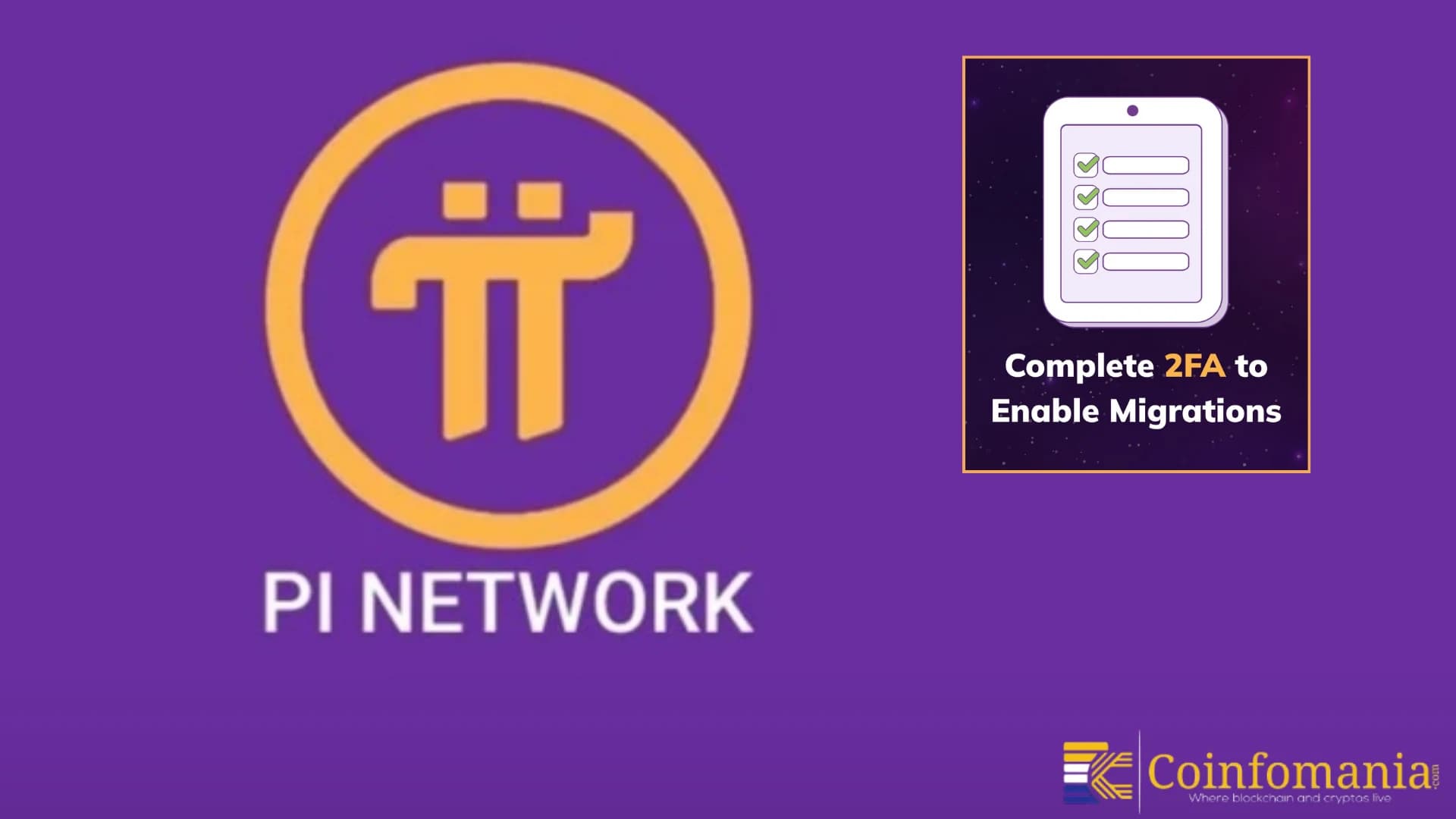
Pi Network made two-factor authentication mandatory for all Mainnet migrations to secure user assets against rising phishing threats.
Quick Take
Summary is AI generated, newsroom reviewed.
2FA is now a required component of Step 3 in the Mainnet Checklist for both first and second migrations.
The update mandates a trusted email backup to prevent unauthorized access and ensure permanent transaction safety.
Mandatory security protocols respond to a surge in scams involving fake staking sites and wallet passphrase theft.
All Pioneers must complete the updated checklist and enable 2FA before their mobile-mined Pi can transfer to the blockchain.
Pi Network has introduced a key security update for its users, known as Pioneers. The network now requires two-factor authentication (2FA) to complete both first and second mainnet migrations.
This step is part of the Mainnet Checklist. It focuses on protecting user accounts before real Pi tokens move to the blockchain. Since these transactions cannot be reversed, the network is pushing for stronger safeguards. As adoption grows, this move shows a clear shift toward tighter security across the ecosystem.
2FA Now Required for All Migrations
To proceed with any migration, users must complete Step 3 of the checklist. This step includes setting up 2FA for the Pi Wallet. The process may also require users to add a trusted email address. This email acts as a backup for verification and recovery. Once enabled, 2FA adds an extra layer of protection. It ensures that only the account owner can approve sensitive actions.
To complete first or second migrations, Pioneers must set up Pi Wallet two-factor authentication (2FA) through Step 3 of the Mainnet Checklist.
— Pi Network (@PiCoreTeam) April 2, 2026
This step is required to further strengthen account and wallet security before real Pi is transferred, an irreversible and immutable… pic.twitter.com/1Q9Zk2vPzU
This is especially important now. When users migrate their Pi to the mainnet, the transfer becomes permanent. There is no way to undo it. With this, the network wants to reduce risks before funds are fully accessible.
Security Push Comes Amid Rising Scam Threats
While the Pi Network community is facing a wave of scams. Many attackers are targeting users through fake websites and messaging platforms. These scams often look convincing. Some copy the design of official platforms. Others promise high rewards through fake staking or token swaps.
⚠️#PiNetwork Scam Warning 📢 $Pi Scam 🔔 Followers please be aware‼️🚨🚨🚨
— PiNetwork DEX⚡️阿龙 (@PiNetworkAL) April 3, 2026
A follower personally visited their website via Telegram. The website design is very attractive, misleading you into believing it's legitimate. However, all the features and numbers displayed on the… pic.twitter.com/48JajrR7jX
But their goal is simple. They try to trick users into sending Pi or sharing wallet details. In many cases, victims are asked to enter their wallet passphrase. Once shared, the wallet can be drained quickly. The community has also warned against fake QR codes and external payment requests. Any transaction outside official channels carries a high risk. As a result, the push for 2FA is not just a technical update. It is a direct response to growing security threats.
Network Progress Continues Alongside Upgrades
While security improves, the Pi network is also moving forward on development. Node operators have recently upgraded to Protocol 21.2. This upgrade helps improve system performance and scalability. It also prepares the network for future features.
Meanwhile, mainnet migrations continue in phases. First migrations still take priority. Second migrations are rolling out gradually. Together, these updates show steady progress. The network is building both its technical base and user safety systems at the same time.
What Users Should Do Next?
For Pioneers, the next steps are clear. First, complete the Mainnet Checklist fully. Then, enable 2FA before attempting any migration. Users should also stay cautious online. Avoid unknown links, apps or websites. Never share wallet phrases with anyone.
In addition, always rely on official updates from the Pi Network team. This helps avoid falling for false information. As the ecosystem grows, security will play a bigger role. With 2FA now mandatory, the network is taking a stronger stand to protect its users and their assets.
References


Follow us on Google News
Get the latest crypto insights and updates.