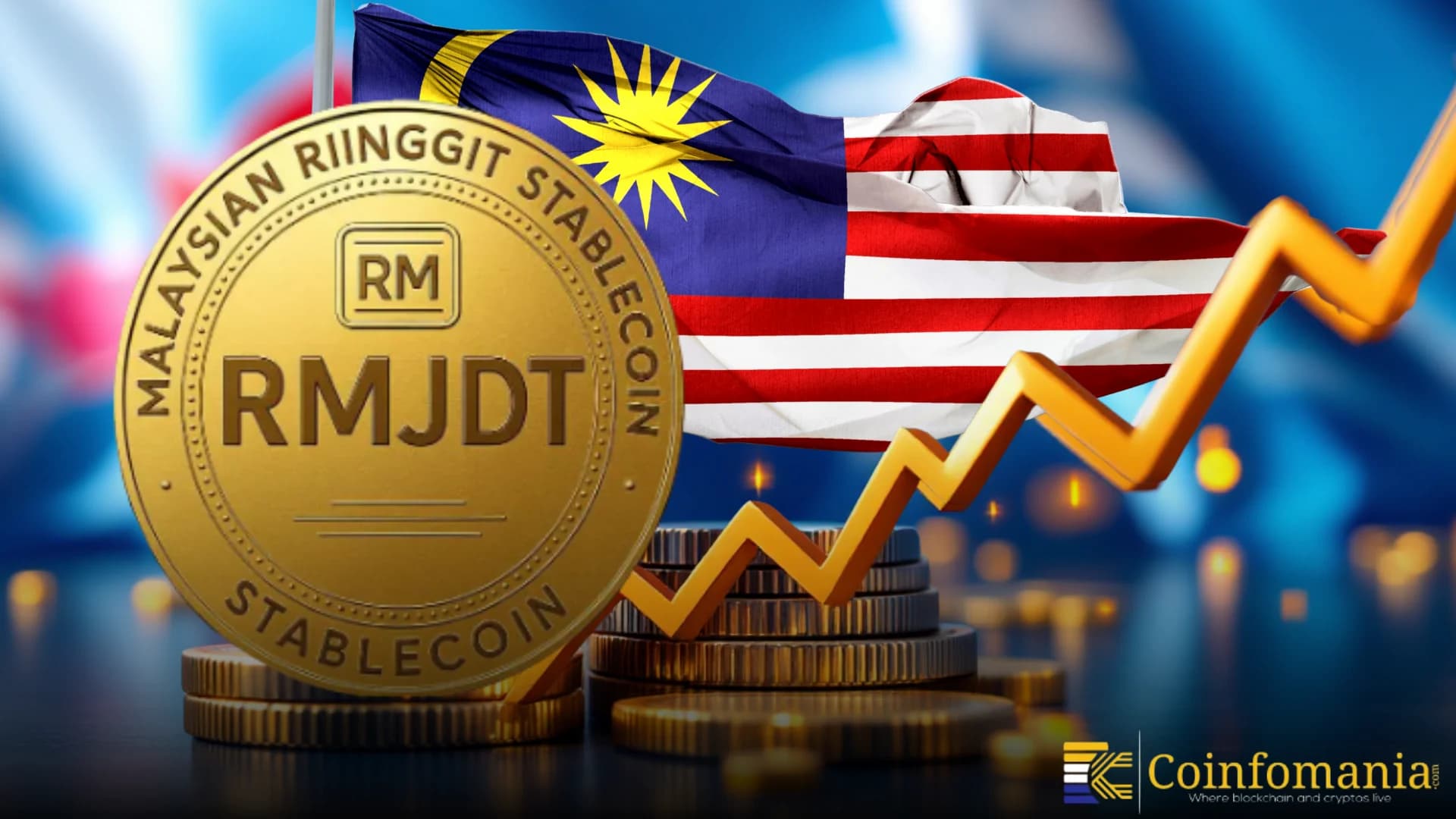
Malaysia Explores Ringgit Stablecoins With Standard Chartered

Malaysia’s central bank pilots stablecoins for wholesale payments with major banks, aiming for safer and faster institutional transactions.
Quick Take
Summary is AI generated, newsroom reviewed.
Malaysia’s central bank starts three sandboxes to pilot ringgit-pegged stablecoins with major banks.
The pilots focus on wholesale B2B payments and tokenized deposits for professional institutions.
Strict rules limit risk, with safeguards against volatility and operational issues.
The initiative signals growing trust in stablecoins and may accelerate adoption in Southeast Asia.
Malaysia’s central bank, Bank Negara Malaysia, has started three new sandbox programs to test ringgit-pegged stablecoins. The announcement was made on February 11, 2026. These programs aim to trial blockchain-based payments between large institutions.
The bank is working with major financial firms, including Standard Chartered, Maybank and CIMB. Out of 35 applications, only three projects were chosen, showing careful selection.
Focus on Institutional Payments
The pilots are for B2B payments and tokenized deposits. They focus on real-world uses instead of research experiments. By testing wholesale settlements, Malaysia is exploring how stablecoins can make transactions faster, safer, and more transparent for big institutions.
Bank Negara Malaysia hopes the pilots will boost trust in using digital currencies for real financial activities. If the tests go well, it could speed up the use of stablecoins across Southeast Asia.
Rules and Risk Management
Even as it encourages innovation, the central bank is strict about rules. Participants must follow guidelines to manage risks like price swings and system problems.
This approach helps Malaysia support new technology while keeping the financial system safe. It also provides a model for other countries in the region thinking about stablecoins.
Growing Interest from Banks
These sandboxes show that banks are starting to trust stablecoins more. Financial firms are exploring digital currencies as tools for payments and tokenized services.
Experts say controlled tests are a smart way to see if the technology works. It also lets regulators spot any problems before wider use. If the pilots succeed, Malaysia could create new systems for blockchain payments in the region.
Southeast Asia Leads in Innovation
By running these sandboxes, Malaysia moves from theory to practice in digital finance. Partnering with well-known banks and using strict rules shows the country wants safe, real-world testing.
If successful, these programs could expand stablecoin use, improve payments and help tokenized financial tools grow across Southeast Asia.
Malaysia’s steps show that digital currencies are no longer just a concept, but they are becoming practical tools for institutions. The pilots may also encourage other countries in the region to explore stablecoin use under clear rules.


Follow us on Google News
Get the latest crypto insights and updates.