Interest-Bearing Stablecoins Challenge U.S. Banking System

Interest-bearing stablecoins could pull trillions from U.S. banks, raising concerns over lending power and borrowing costs.
Quick Take
Summary is AI generated, newsroom reviewed.
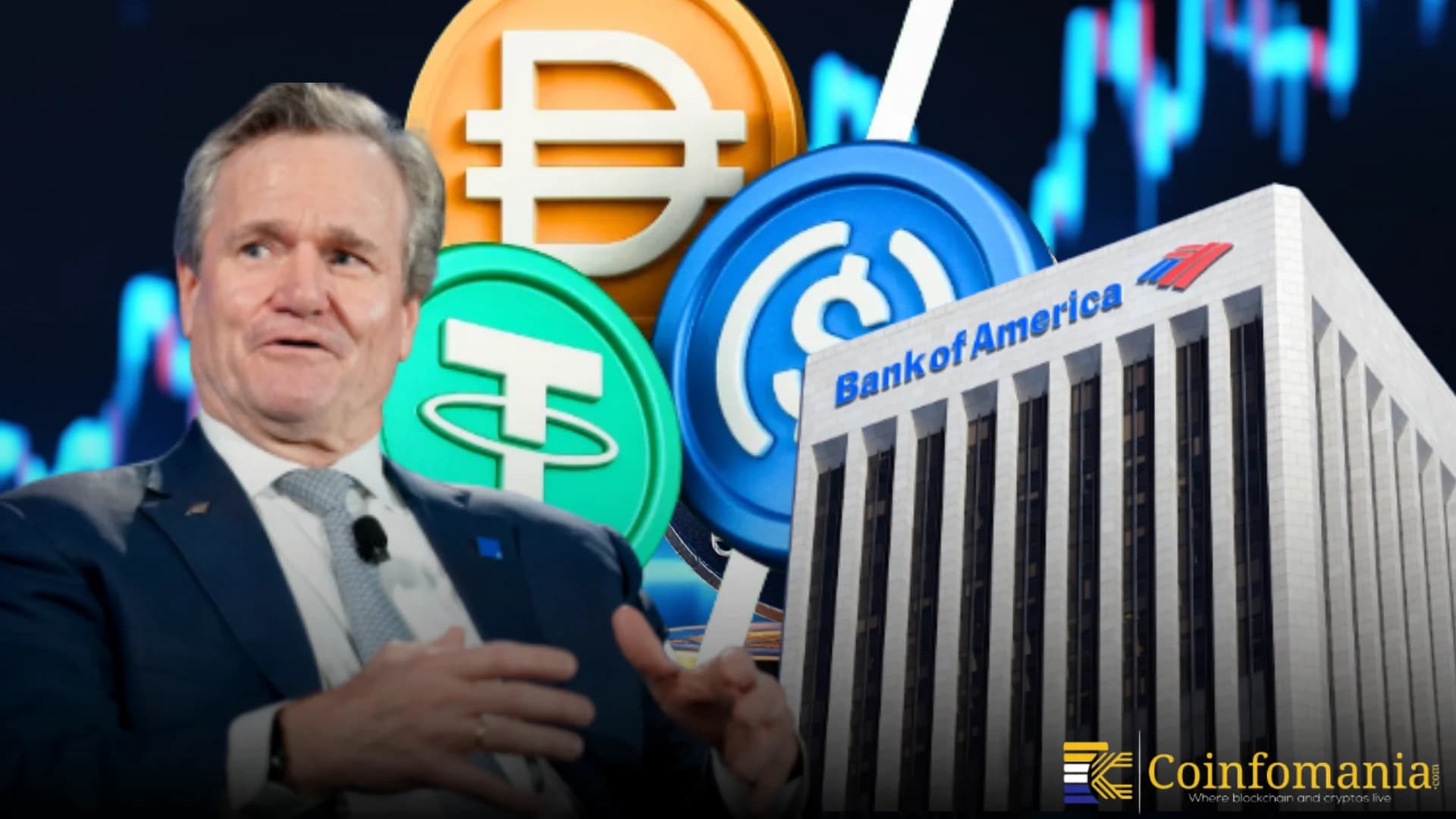
Bank of America CEO Brian Moynihan says interest-bearing stablecoins could drain up to $6 trillion from U.S. banks.
Fewer bank deposits could limit lending and raise borrowing costs across the economy.
Higher crypto yields, often above 5%, are attracting users away from low-interest savings accounts.
Regulators may play a key role in shaping how stablecoins compete with traditional banks.
Bank of America CEO Brian Moynihan has warned that interest-bearing stablecoins could move huge amounts of money out of U.S. banks. He believes that an amount as much as $6 trillion could leave the banking system if people switch to these digital assets.
His warning comes as stablecoins begin to offer something banks rarely do. Which is high interest with fast access.
Why Stablecoins Are Attracting Attention
Stablecoins are digital currencies that are linked to the value of the U.S. dollar. Some platforms now pay interest on them, and these returns often reach 5% or more.
Most of the savings accounts offer much less, and many still pay under 1% interest. For everyday users, the choice comes easily. They can earn more while still keeping full access to their money.
Stablecoins also allow instant transfers and let users send funds at any time. They don’t have to wait for banking hours or approvals.
How This Could Hurt Traditional Banks
Banks depend on deposits to lend money. They use customer savings to fund loans, mortgages, and credit line,s so when deposits fall, lending becomes harder.
Moynihan said a big move into stablecoins could reduce the banks’ lending power. Moreover, this could raise the borrowing costs for businesses and households and so loan interest rates could rise too.
Public Reaction: Fear or Competition?
Many people online disagree with the warning. On X, users say that banks are scared of having competition and not risk. They argue that banks controlled savings and payments for decades.
Stablecoins now offer tools that were once limited to banks. These include fast payments, better returns, and global access, thus supporters say this shift gives power back to users.
Still, others raise some issues. Stablecoins do not follow the same rules as banks. They lack deposit insurance and face lighter oversight, and this creates risks if markets become unstable.
Regulation Will Decide the Stablecoin Outcome
U.S. lawmakers are already debating the new stablecoin laws. These rules may decide who can issue them and how they manage the reserves. Moreover, interest-bearing versions could face even stricter controls.
Banks want strict rules while crypto firms want flexibility, and the outcome is what will shape the future of digital money.
A Clear Sign of Change
Moynihan’s comments show how serious this issue has become. Interest-bearing stablecoins no longer sit at the edge of finance because they now challenge the system directly. The battle for deposits has begun and how it ends will affect banks, crypto and everyday users alike.


Follow us on Google News
Get the latest crypto insights and updates.