Hong Kong Signals a Major Shift in Global Stablecoin Regulation

Let’s uncover how Hong Kong stablecoin licenses in Q1 2026 could reshape digital payments and regulated crypto finance.
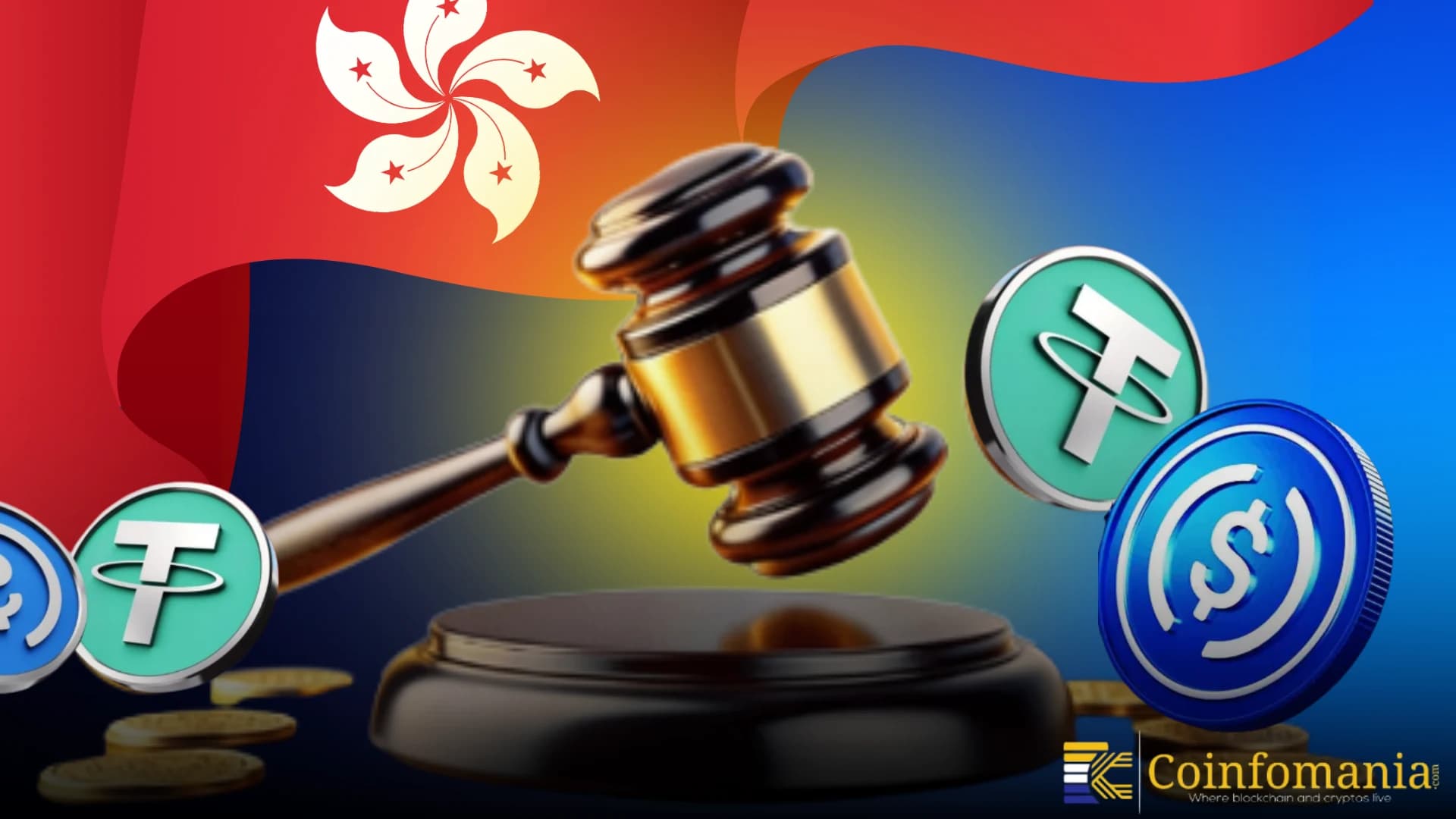
Quick Take
Summary is AI generated, newsroom reviewed.
Hong Kong will issue its first stablecoin licenses in Q1 2026 under a strict regulatory framework
New rules focus on reserve backing, redemption rights, and operational risk management
Hong Kong stablecoin licenses aim to attract global issuers and institutional capital
The move strengthens Hong Kong’s position as a leader in regulated digital finance
Hong Kong is officially progressing towards shaping the future of regulated digital finance. The city’s finance regulator has announced its goal to be the first to issue the official licensing for stablecoins by the first quarter of 2026. This event marks an important point in the creation of a regulatory framework. This gives institutional investors confidence in the crypto economy.
The announcement follows an extended period of preparation by regulators, solidifying Hong Kong’s global status as a leader in the digital asset space. In 2022, the authorities introduced a comprehensive regulatory guide for stablecoins. The new rules require stablecoins to have well-defined reserve backing, easy redemption rights for users, and an adequate risk management structure.
🇭🇰 HONG KONG TO ISSUE FIRST STABLECOIN LICENSES IN Q1!
— Coin Bureau (@coinbureau) January 21, 2026
Hong Kong’s financial chief says the city will grant its first official stablecoin licenses in Q1 2026.
It comes after HK rolled out new stablecoin rules last year requiring issuers to meet strict reserve, redemption and… pic.twitter.com/wg8LTVLmr5
Why Hong Kong’s Stablecoin Push Matters Right Now
The emergence of global stablecoins has grown substantially since their introduction. However, countries vary in their level of clarity regarding the regulations governing stablecoins.
Through continued exploration of the use cases for stablecoins and the establishment of licensing requirements for stablecoin issuers, Hong Kong regulators plan to proactively develop a regulatory framework for managing stablecoin development and issuance.
As part of this regulatory framework, Hong Kong regulators are developing a way to protect consumers from potential harm caused by stablecoin issuance while simultaneously promoting innovation in blockchain technology.
Inside the Stablecoin Rules Introduced Last Year
Hong Kong’s Stablecoin Licensing Framework is based on a set of regulations created in 2025. The regulations cover three primary areas: reserves, redemption, and risk management. The regulations apply equally to local or foreign companies that are conducting business in Hong Kong.
Issuers are required to maintain a minimum level of high-quality liquid reserves. They could include cash, bank deposits, and/or government securities. Regular audits and disclosure of the reserve assets are necessary to ensure continued transparency for both regulators and users.
A Strategic Advantage Over Competing Financial Hubs
Hong Kong has an advantage over other jurisdictions still determining how to regulate stablecoins – it has an established licensing timeline. Some jurisdictions are waiting for enforcement actions to determine their regulations for stablecoins. Others have already established stablecoin licensing regulations through proactive regulatory regimes.
A regulatory framework composed of the existing Virtual Asset Trading Regulations combined with the new stablecoin regulations will enable an issuer to effectively meet and exceed all regulatory obligations. There is definitely a benefit to licensed issuers with regards to being able to launch products. This is with an understanding and trust in their regulated product launch.
What Issuers and Investors Should Watch Next
In preparation for Q1 of 2026, Issuers will be creating applications for licensure and starting compliance systems. It is expected that there will be extensive regulatory review as part of the initial approval process, as regulators seek to establish a precedent for strong approval actions early on.
Investors should pay close attention to which companies receive their stablecoin licenses in Hong Kong first. Such companies will be viewed as highly credible and more likely to capture a larger market share. Therefore, it is anticipated that the operating models of early licenses will become the benchmark for many global entities looking to identify “best practices” in this space.
Conclusion
The Hong Kong scheme may affect how regulators can develop their own regulations throughout Asia. Other nearby financial centers might choose to use similar licensing structures. There will be opportunities for increasing cross-border flows of digital assets.


Follow us on Google News
Get the latest crypto insights and updates.