Grayscale Introduces Chainlink Trust ETF GLNK for Investors

Grayscale launched the Chainlink Trust ETF on NYSE Arca, featuring a 0% fee for early adopters to provide institutional oracle exposure.
Quick Take
Summary is AI generated, newsroom reviewed.
Grayscale’s GLNK ETF offers zero management fees for the first three months.
The fund provides indirect exposure to LINK via traditional brokerage accounts.
Chainlink serves as foundational infrastructure for DeFi and asset tokenization.
Post-incentive fees will settle at 0.35% annually for institutional-grade access.
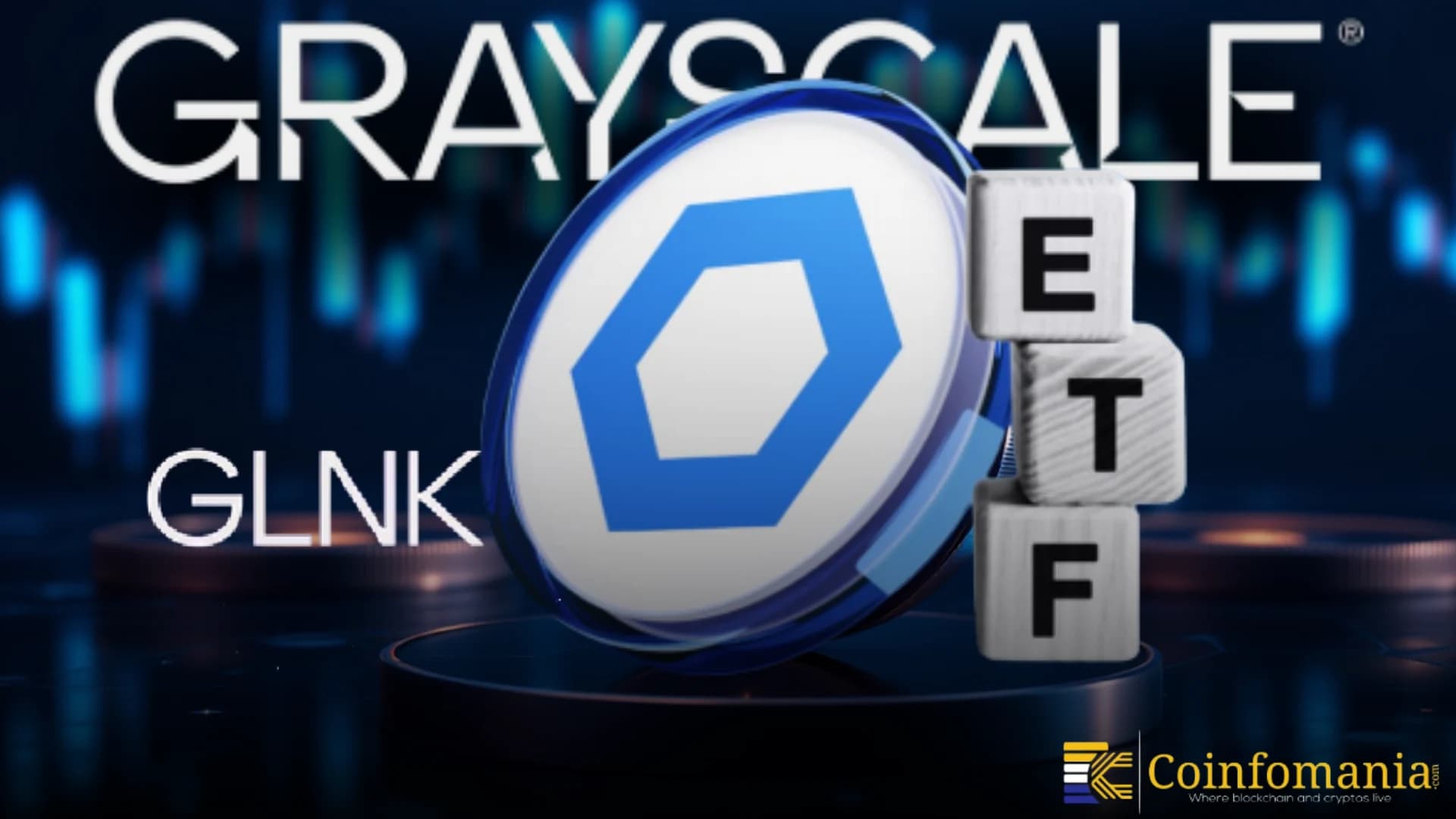
Grayscale has officially launched a new crypto investment product name Grayscale Chainlink Trust ETF, trading under the ticker GLNK. The fund started trading and is now available to investors through regular brokerage accounts.
To attract early investors, Grayscale is offering a 0% management fee for the first three months or until the fund reaches $1 billion in assets. After that the annual fee will be 0.35%. The launch gives traditional investors a new way to get exposure to Chainlink without needing to buy or store crypto directly.
What Is the GLNK ETF?
The GLNK ETF is designed to track the price of Chainlink. One of the most important infrastructure tokens in the crypto world. Chainlink is widely known for powering blockchain oracles. Specifically, these oracles bring real-world data onto blockchains so that they can connect smart contracts with prices, payments, weather data, and more. As a result, developers now use Chainlink across DeFi, tokenized assets, and cross-chain systems.
Furthermore, the GLNK ETF allows investors to gain price exposure to LINK directly inside a stock trading account. Consequently, there is no need for crypto wallets, private keys or exchanges. Ultimately, this makes it easier for traditional investors to participate in the growth of blockchain finance.
How the ETF Works
Grayscale’s GLNK exchange-traded product tracks the value of the LINK the fund holds, minus expenses. It trades like a stock, and investors can buy and sell it during market hours. But there is an important detail. The fund is not registered under the Investment Company Act of 1940. It doesn’t follow the same rules and protections as most traditional ETFs and mutual funds.
Grayscale clearly warns that the fund is high risk, highly volatile and investors could lose their entire investment. Additionally, the fund is not a direct investment in LINK. This makes GLNK more suitable for experienced investors who understand crypto risk.
Why Chainlink Matters
Chainlink plays a key role in the blockchain economy. It acts as a bridge between blockchains and the real world. Its Oracle network is used for:
- DeFi lending and trading
- Real-world asset tokenization
- Proof of reserves
- Automated compliance systems
- Cross-chain messaging
As tokenization grows and more financial assets move on-chain, analysts expect Chainlink to power much of that data flow. Grayscale says Chainlink is “foundational infrastructure” for digital finance and believes it will grow alongside Web3 adoption.
What This Means for Investors
GLNK gives investors a simple way to add LINK exposure to their portfolio without touching crypto directly. It also shows how fast crypto is merging with traditional finance. Products like this bring blockchain assets into retirement accounts, stock portfolios and wealth platforms.
At the same time, the risks are real. Chainlink is volatile. Crypto markets move fast and this fund does not have the same protections as standard ETFs. Still, for investors who believe in the future of blockchain infrastructure, GLNK offers a new door into the world of Web3 with a familiar stock market wrapper. In short, Grayscale just made it easier for Wall Street to tap into the backbone of blockchain. The zero-fee launch window makes the timing even more interesting.


Follow us on Google News
Get the latest crypto insights and updates.