Global Banks Turn Cautious as Interest Rate Expectations Reset

Let’s uncover why the Fed rate cuts outlook is shifting as global banks delay easing plans, will higher rates last longer than expected?
Quick Take
Summary is AI generated, newsroom reviewed.
Major Wall Street banks now delay expectations for US interest rate cuts
JPMorgan sees no cuts in 2025 and predicts a possible hike in 2027
Goldman Sachs and Barclays push easing expectations to mid 2026
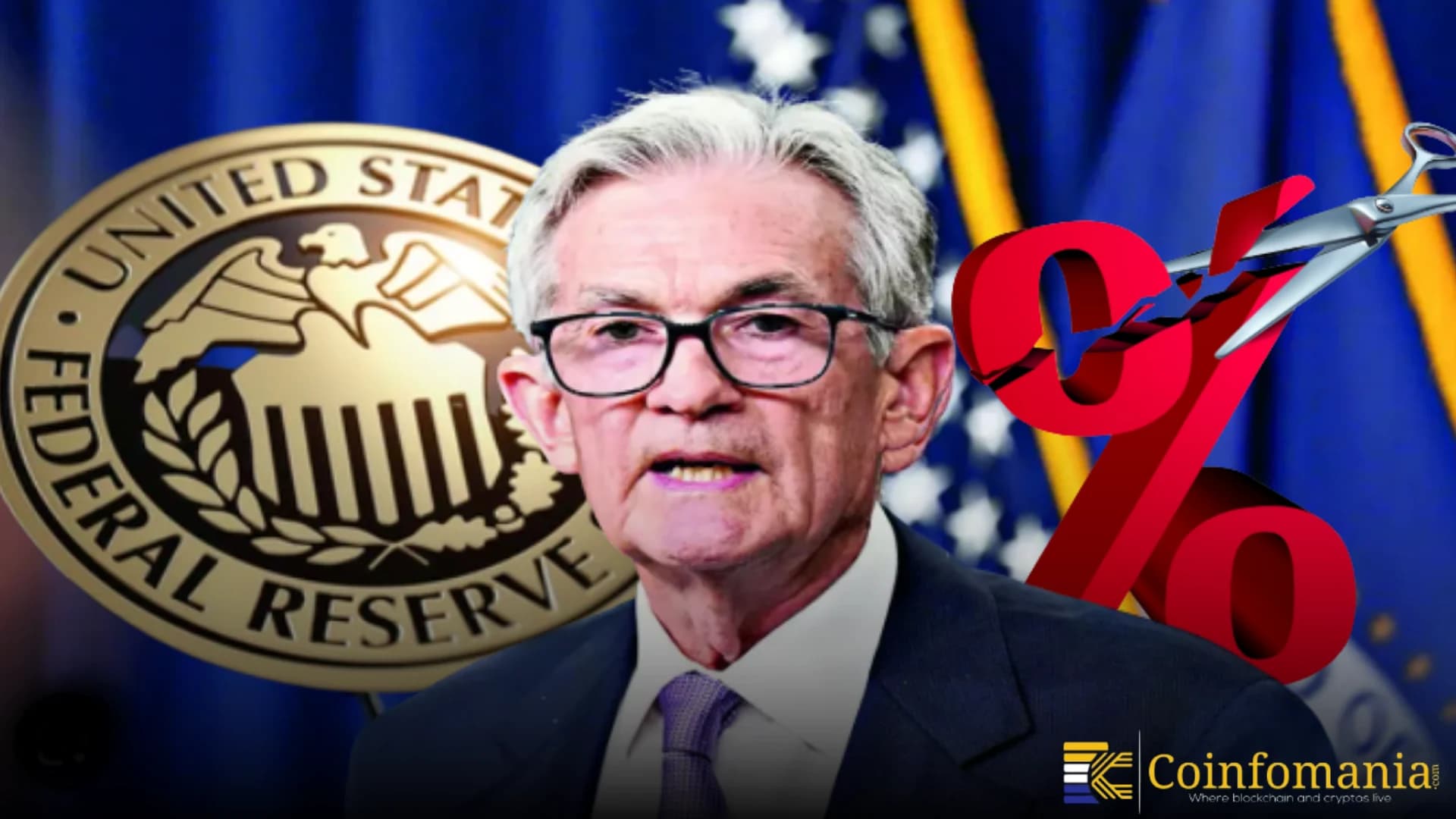
The Fed rate cuts outlook reflects persistent inflation and economic resilience
The global banks landscape is undergoing a sharp reassessment as major banks rethink interest rate expectations. For months, investors anticipated rapid easing from the US Federal Reserve. That confidence now fades as inflation pressures persist and economic resilience surprises policymakers. The Fed rate cuts outlook has shifted dramatically, forcing markets to adjust strategies.
JPMorgan, Goldman Sachs, and Barclays now signal a longer period of restrictive monetary conditions. Their latest forecasts challenge the popular belief that rate cuts will arrive quickly. Instead, these institutions warn that policy tightening may dominate the coming years. This change reshapes expectations across equities, bonds, and global capital flows.
The Fed rate cuts outlook matters deeply for investors, governments, and consumers. Interest rate decisions influence borrowing costs, asset valuations, and currency stability. As leading Wall Street banks revise projections, markets must prepare for a reality where patience replaces optimism.
🏦 WORLD'S LARGEST BANKS TURN HAWKISH ON RATE CUTS
— Coin Bureau (@coinbureau) January 13, 2026
JPMorgan now sees no cuts this year and expects Fed’s next move to be a 25bp hike in 2027.
Goldman Sachs and Barclays have also delayed their rate cut calls to mid-2026. pic.twitter.com/YCjnB8cxWe
JPMorgan Signals No Rate Cuts and Eyes a Future Hike
JPMorgan delivered the strongest shift in tone among major financial institutions. The bank now expects no interest rate cuts in 2025. It also forecasts the Federal Reserve’s next move as a 25 basis point hike in 2027. This view marks a sharp break from earlier easing expectations.
Analysts at JPMorgan highlight persistent inflation risks and resilient consumer demand. They believe economic strength limits the Fed’s ability to loosen policy soon. Labor market tightness continues to support wage growth, which pressures prices. These factors reinforce a cautious policy stance.
This outlook underscores how the Fed rate cuts outlook has turned restrictive rather than supportive. JPMorgan warns that premature easing could reignite inflation. As a result, policymakers may prefer holding rates steady for longer.
Goldman Sachs Delays Easing Expectations to Mid 2026
Goldman Sachs also revised its projections, pushing expected rate cuts further into the future. The bank now anticipates easing only by mid 2026. This change reflects confidence in economic momentum and concerns about inflation stability.
Goldman analysts point to strong corporate earnings and healthy household balance sheets. These conditions reduce urgency for immediate monetary support. The firm believes the Federal Reserve wants clear evidence of cooling inflation before acting.
For investors, Goldman’s stance reinforces the evolving Fed rate cuts outlook. Markets can no longer assume quick relief through cheaper borrowing. This perspective influences long term portfolio positioning.
Why Wall Street Banks Are Rethinking Monetary Policy
Several factors drive this hawkish reassessment. Inflation, while easing, remains above the Federal Reserve’s target. Energy prices, housing costs, and services inflation continue creating uncertainty. Central bankers prioritize long term price stability.
Economic resilience also plays a role. Consumer spending remains strong despite higher borrowing costs. Corporate investment shows durability, especially in technology and infrastructure sectors. These trends weaken arguments for immediate rate cuts.
Wall Street banks recognize these realities. Their forecasts reflect a belief that restrictive policy works. The Fed rate cuts outlook now depends on sustained inflation progress rather than market expectations.
What This Means for Investors and Policymakers
Investors must adapt strategies to a prolonged high rate environment. Income focused assets gain relevance as yields stay attractive. Risk management becomes essential amid policy uncertainty.
Policymakers face complex tradeoffs. They must balance inflation control with economic growth. Premature easing risks credibility, while excessive tightening risks slowdown. The Fed rate cuts outlook reflects this delicate balance.
A New Phase for Global Monetary Policy
The global banks shift toward delayed easing signals a new phase in monetary policy. The era of rapid rate cuts appears over, at least for now. Central banks prioritize stability over stimulus.
Wall Street banks play a key role in shaping market sentiment. Their revised forecasts influence investor behavior worldwide. The Fed rate cuts outlook now emphasizes patience, data dependence, and discipline. As inflation risks persist, policymakers retain a hawkish bias. This environment rewards informed decision making and realistic expectations.


Follow us on Google News
Get the latest crypto insights and updates.