Rising Food Prices Spark Global Inflation Fears

Global food prices rise for the second month in March 2026, signaling inflation risks and potentially strengthening Bitcoin’s role as a hedge.
Quick Take
Summary is AI generated, newsroom reviewed.
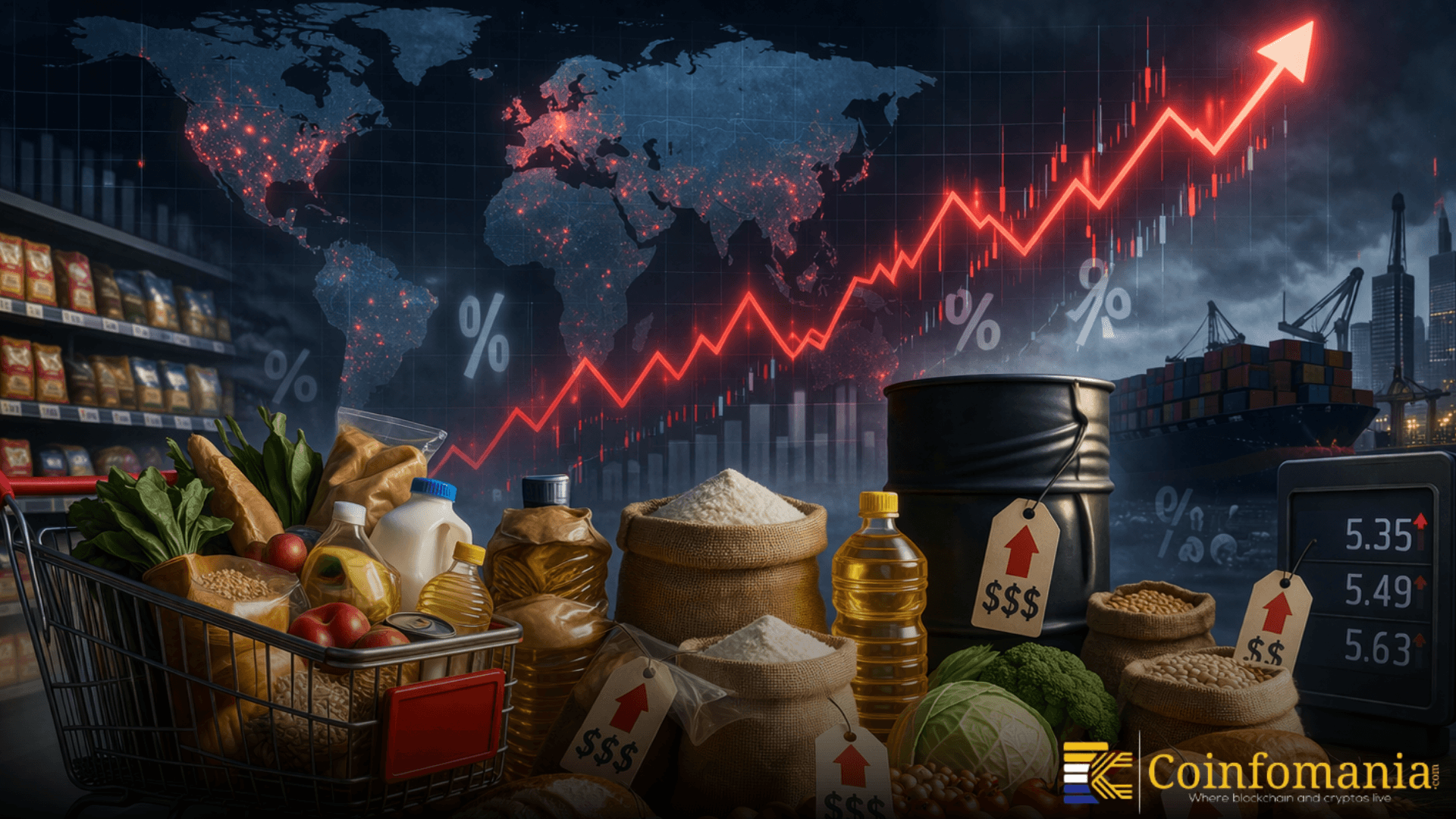
Global food prices rise 2.4% in March 2026
Second consecutive monthly increase
Driven by energy costs and geopolitical tensions
Signals potential inflation pressure ahead
The Food and Agriculture Organization Food Price Index has risen by 2.4% in March 2026, marking the second consecutive monthly increase. While the rise may appear modest, back-to-back gains often signal the beginning of a broader trend. Investors and policymakers closely monitor such movements because they can reflect deeper pressures within the global economy.
🚨CONCERNING:
— Crypto Rover (@cryptorover) April 7, 2026
FAO global food price index rose 2.4% in March 2026, second consecutive monthly increase. pic.twitter.com/i4EkHB9dGr
What’s Driving the Increase
Several macro factors are pushing food prices higher. Rising energy costs play a major role, as higher oil prices increase transportation and production expenses. Geopolitical tensions also contribute by disrupting supply chains and creating uncertainty in global trade flows.
The increase is not limited to a single category. Key commodities such as vegetable oils, cereals, and sugar have all recorded gains. This broad-based rise suggests systemic pressure across the global food system rather than isolated supply issues.
Market Impact and the Bigger Picture
Rising food prices directly influence inflation, as food is a basic necessity. Higher costs quickly affect consumers and can push overall inflation higher. This, in turn, impacts central bank decisions, including interest rate policies, which influence both traditional and crypto markets.
For investors, this environment creates mixed dynamics. Inflationary pressure can lead to tighter monetary policy, weighing on risk assets. At the same time, it can increase interest in alternatives like Bitcoin, which many view as a hedge due to its fixed supply.
Food inflation often acts as an early warning signal of broader economic stress. Combined with rising energy prices and geopolitical risks, it highlights a shifting macro landscape. If this trend continues, it could shape future market direction, making it a key indicator for investors to watch closely.
References


Follow us on Google News
Get the latest crypto insights and updates.