Europe Holds Massive Financial Leverage as Trump Tariff Threats Resurface

Let’s uncover how Europe trade leverage through US assets could reshape Trump tariff risks and global capital markets
Quick Take
Summary is AI generated, newsroom reviewed.
Europe controls nearly eight trillion dollars in US assets, creating strong trade leverage
Trump tariff threats increase uncertainty across global financial markets
Deutsche Bank warns trade escalation could disrupt US capital markets severely
Europe’s financial influence may act as a strategic deterrent rather than retaliation
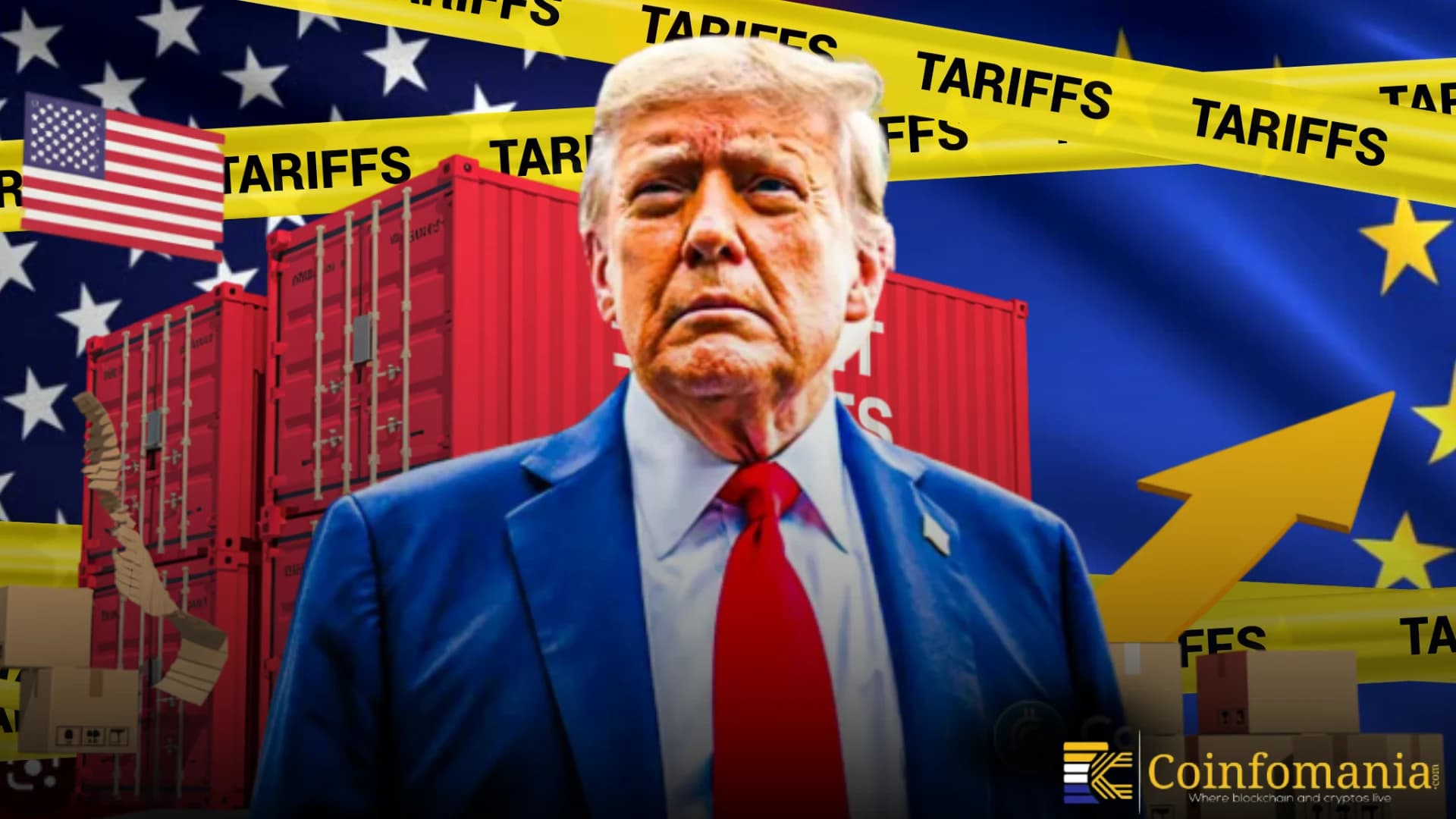
Europe now stands at a powerful crossroads in global finance as trade tensions with the United States gain momentum again. Deutsche Bank recently highlighted that European investors control nearly eight trillion dollars in US bonds and equities, creating a significant source of influence. This financial position gives Europe trade leverage that could shape negotiations if tariff disputes escalate further. Trump tariff threats linked to geopolitical disagreements have intensified market anxiety across regions. Investors worry that policy shifts could trigger market volatility, disrupt capital flows, and weaken global confidence. Europe trade leverage now sits at the center of this unfolding narrative, and markets closely monitor how leaders respond.
The situation reflects a deeper transformation in global power dynamics where financial ownership influences trade outcomes. Europe’s asset exposure provides a strategic advantage that extends beyond tariffs and political statements. This leverage could redefine how nations negotiate economic conflicts in an interconnected world.
🇪🇺EUROPE HOLDS LEVERAGE AGAINST TRUMP
— Coin Bureau (@coinbureau) January 19, 2026
Deutsche Bank says Europe’s $8 TRILLION in U.S. bonds and equities gives it major leverage as Trump threatens tariffs over Greenland.
They further warned that a full trade war would hit global capital markets hard. pic.twitter.com/HfwDRsCSlj
Europe’s Eight Trillion Dollar Presence Reshapes Global Trade Influence
European institutions hold massive investments across US capital markets through pension funds, insurers, sovereign funds, and private investors. These holdings include government bonds, corporate debt, and equity stakes across major American companies. Deutsche Bank estimates the combined value near eight trillion dollars, creating unmatched financial influence.
This ownership grants Europe trade leverage because capital flows drive market stability and liquidity. Even small shifts in portfolio allocation can influence bond yields, stock valuations, and investor sentiment. Markets respond rapidly to signals from large institutional investors, and Europe ranks among the most influential participants.
Europe trade leverage grows more significant during periods of uncertainty because markets become more sensitive to capital movement. Rising interest rates and political risk amplify this effect. As a result, Europe’s financial presence acts as both a stabilizer and a potential pressure tool in negotiations.
Trump Tariff Threats Add Pressure to an Already Fragile Market Environment
Trump tariff threats have resurfaced amid disagreements over trade policies and strategic interests involving Greenland. The renewed rhetoric signals a possible shift toward aggressive tariffs that could disrupt global commerce. Markets remember previous trade disputes that triggered sharp volatility and uncertainty.
Trump tariff threats directly challenge Europe’s economic priorities and trade relationships. Tariffs could raise costs, weaken demand, and disrupt cross-border supply chains. Europe trade leverage offers a strategic counterweight because financial influence can respond without matching tariffs directly.
Political uncertainty often drives market reactions before any policy becomes reality. Investors adjust expectations based on probability rather than certainty. US capital markets feel these shifts immediately, which increases pressure on policymakers to avoid escalation.
Strategic Restraint Could Define Europe’s Next Response
Europe has not indicated immediate financial retaliation because leaders understand the responsibility tied to financial influence. Europe trade leverage works best as a deterrent rather than a direct weapon. Stability remains a shared priority for both sides.
However, Europe will defend its economic interests if pressure escalates further. Financial tools offer flexibility because they operate quietly within US capital markets without provoking public confrontation. This approach aligns with Europe’s preference for strategic diplomacy.
Markets will monitor signals closely because capital flows often move before official decisions. Trump tariff threats keep uncertainty elevated, and Europe’s response could shape global trade relationships for years.
What Investors Should Monitor in the Coming Months
Investors should track political rhetoric alongside capital flow trends because sentiment drives market behavior. Bond yields often reveal early signs of stress when foreign demand weakens. Equity volatility could rise if uncertainty persists.
Europe trade leverage will continue influencing expectations even without action because markets price risk based on possibility. This dynamic keeps investors cautious and alert. The next phase of negotiations could define how financial power shapes global trade policy.


Follow us on Google News
Get the latest crypto insights and updates.
Related Posts

Bitcoin Drops $4,000 as Trade War Fears Trigger Liquidations

Triparna Baishnab
Author

Crypto Market Wiped as $763M in Long Positions Get Liquidated
Triparna Baishnab
Author

Crypto Regulation Breakthrough? Coinbase Says Market Structure Bill Could Pass Soon
Triparna Baishnab
Author