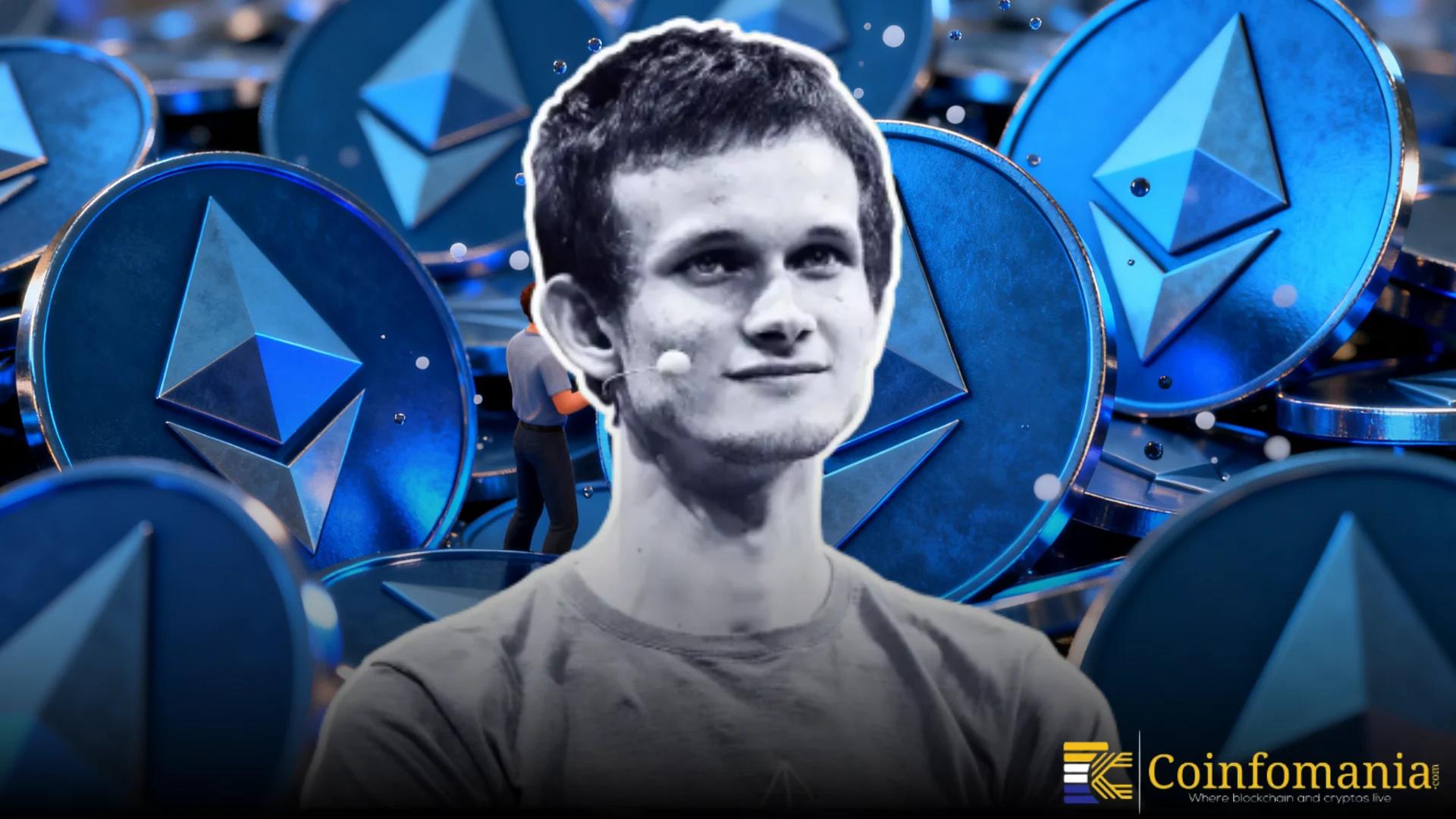
Ethereum Gas Futures Plan by Vitalik Buterin Gains Attention

Ethereum gas futures could let users lock fees in advance, cutting volatility and making transactions more predictable.
Quick Take
Summary is AI generated, newsroom reviewed.
Vitalik Buterin proposes a trustless on-chain gas futures market for Ethereum.
Users could lock transaction fees in advance to avoid unexpected costs.
The system is trustless, using smart contracts for fairness and security.
Challenges include market liquidity, price swings, and user adoption.
Ethereum co-founder Vitalik Buterin has proposed a new idea to make Ethereum transactions more predictable. He suggested creating a trustless on-chain gas futures market. This system would let users lock in transaction fees for future times. It could help reduce uncertainty caused by fluctuating gas prices.
How the Gas Futures Market Works
The Ethereum gas futures market works like a traditional financial futures system. Users could prepay or hedge the cost of Ethereum transactions. Instead of paying unpredictable fees at the moment of a transaction, they could secure a rate for a future block or time period.
For example, someone planning multiple transactions next week could lock in today’s gas price. This would prevent paying much higher fees during network congestion. Popular events like NFT drops or big DeFi operations often spike fees. This system would help users avoid those spikes.
“Hedging gas costs can make Ethereum more predictable and user-friendly,” Buterin said.
Why Ethereum Gas Futures Matter
Ethereum’s high and unpredictable fees have been a problem for a long time. Small trades or microtransactions often become too expensive. By locking fees in advance, users can plan better and avoid surprises.
DeFi users could also benefit. Many DeFi strategies rely on precise transaction timing. If gas prices are predictable, strategies become safer and more efficient. Overall, this could increase user confidence and adoption of Ethereum-based platforms.
The Trustless Advantage
A key part of Buterin’s idea is that the system would be trustless. This means it would not rely on a centralized party. Smart contracts would automatically enforce agreements between users. This ensures fairness and reduces risk.
A trustless system also fits Ethereum’s decentralized philosophy. Users keep control of their funds. It also prevents manipulation or unfair pricing by intermediaries.
Challenges Ahead
Despite its potential, the proposal faces challenges. Building a liquid and fair futures market is complex. The network must handle defaults or sudden price swings. Users and developers will need guidance to use this system.
Still, experts see the Ethereum gas futures as a positive step. It could bring more advanced financial tools to Ethereum. If successful, Ethereum’s gas fees may become more predictable, benefiting everyone in the ecosystem.


Follow us on Google News
Get the latest crypto insights and updates.