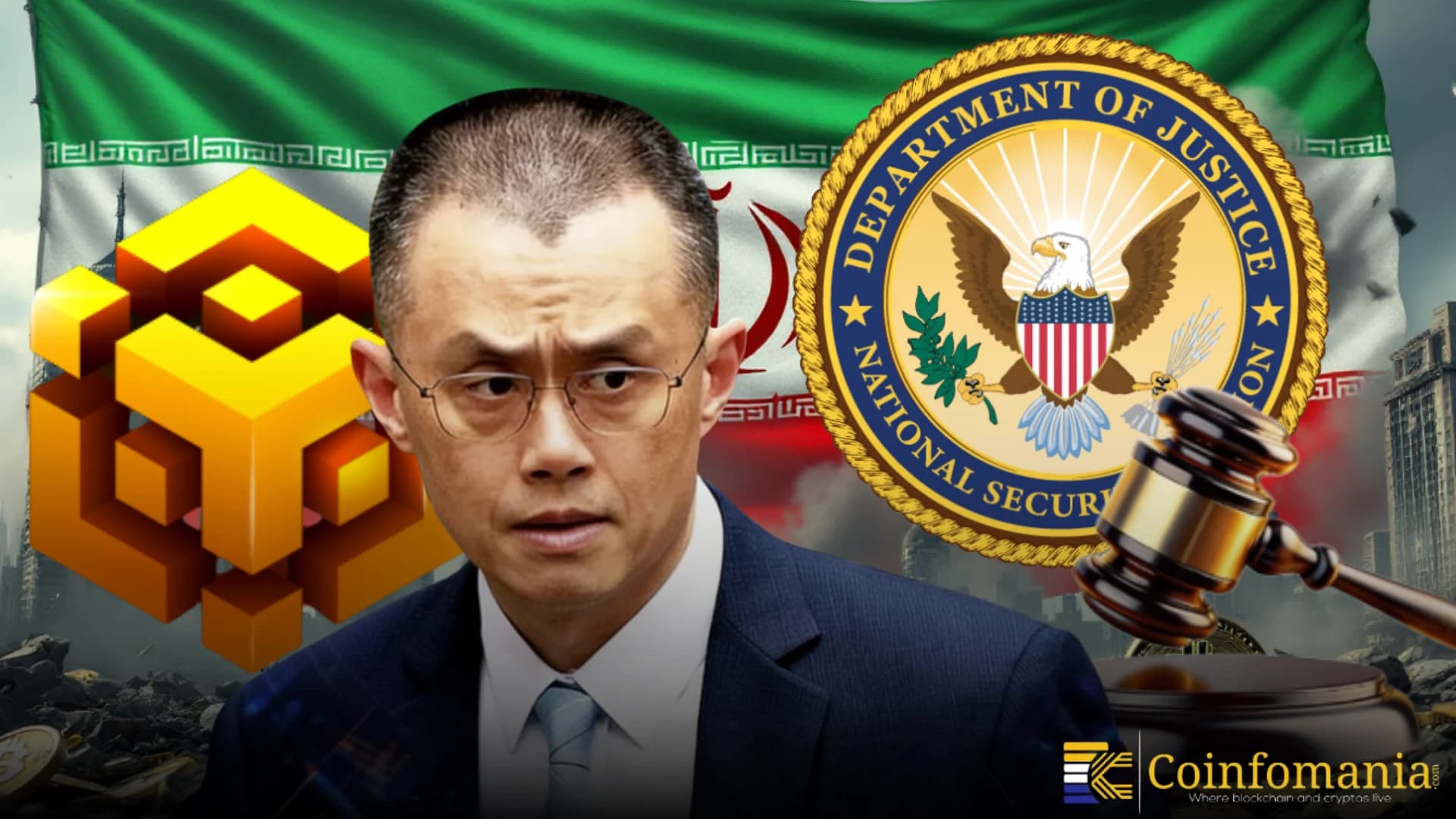
DOJ Probes Binance Over Alleged Iran Sanctions Evasion

Did Iranian entities use Binance to bypass sanctions? Let's uncover the latest Binance sanctions investigation shaking the crypto industry.
Quick Take
Summary is AI generated, newsroom reviewed.
The United States launched a DOJ crypto probe into Binance over potential sanctions violations.
Investigators examine whether Iranian entities used the exchange to bypass restrictions.
Authorities worry about growing risks of crypto sanctions evasion through global exchanges.
The Binance sanctions investigation could shape future cryptocurrency regulation worldwide.
Cryptocurrency once promised open financial access for everyone. That same openness now attracts serious scrutiny from regulators worldwide. Recent reports suggest the United States government now investigates whether digital assets helped sanctioned entities bypass strict financial restrictions. The Binance sanctions investigation marks another major moment for the crypto industry. According to reports, the U.S. Department of Justice now examines whether Iranian organizations used the world’s largest crypto exchange to evade sanctions. Authorities suspect digital wallets and exchange services may have enabled restricted financial flows.
Regulators across the world continue tightening rules around cryptocurrency platforms. Governments fear that hostile states or sanctioned groups could exploit decentralized finance tools. The current DOJ crypto probe therefore focuses on how exchanges monitor transactions and enforce compliance policies.
If confirmed, the allegations could reshape how governments regulate global crypto platforms. The Binance sanctions investigation could also influence future policy on digital asset monitoring and financial transparency.
🚨 JUST IN: U.S. DOJ probes whether Iranian entities used Binance to evade sanctions, per WSJ. pic.twitter.com/20I8V3Qp05
— Cointelegraph (@Cointelegraph) March 11, 2026
How The DOJ Crypto Probe Began for Binance
The current investigation reportedly began after U.S. officials reviewed blockchain transaction patterns linked to Iranian networks. Investigators believe certain crypto transactions may have moved through accounts connected to Binance.
Authorities now want to determine whether these transfers violated American sanctions laws. The DOJ crypto probe focuses on identifying whether Iranian entities accessed the exchange despite strict financial restrictions. However, cryptocurrencies operate differently from traditional banking networks. Blockchain transactions move globally without central intermediaries. This structure sometimes creates challenges for regulators attempting to enforce sanctions.
Why Iran Crypto Sanctions Raise Global Concern
The United States maintains strict financial sanctions against Iran. These rules limit Iranian access to global banking systems and international payment networks.
Some policymakers believe cryptocurrencies might help sanctioned nations bypass those restrictions. Digital assets allow direct transfers between wallets without relying on banks. That possibility makes Iran crypto sanctions a major concern for regulators. Officials fear governments could move funds through exchanges or decentralized platforms.
The current Binance sanctions investigation therefore aims to determine whether Iranian entities successfully used crypto markets to bypass restrictions. Security analysts warn that cryptocurrency platforms must maintain strong compliance systems. Exchanges must identify suspicious transactions and block users connected to sanctioned countries.
Crypto Sanctions Evasion And The Limits Of Blockchain Transparency
Many experts argue that cryptocurrency actually improves financial transparency. Every blockchain transaction creates a permanent public record. Law enforcement agencies increasingly use blockchain analysis to track suspicious activity. Investigators often identify illegal transactions months or even years later.
However, criminals and sanctioned entities sometimes use mixers, shell wallets, or intermediaries to hide their identities. These tactics raise concerns about crypto sanctions evasion despite blockchain transparency. The Binance sanctions investigation will likely analyze whether Iranian-linked wallets used such techniques to move funds undetected.
What This Means For The Future Of Crypto Regulation and Binance
The investigation arrives during a period of intense regulatory scrutiny for the cryptocurrency industry. Governments across the world now debate how to regulate digital asset platforms. Several policymakers already argue that stronger oversight must apply to global exchanges.
The outcome of the DOJ crypto probe could influence future regulatory frameworks. Authorities may introduce stricter identity verification rules or enhanced transaction monitoring. Lawmakers also want clearer guidelines for preventing Iran crypto sanctions violations across digital platforms.
Final Thoughts On The Growing Pressure Facing Crypto Exchanges
Cryptocurrency exchanges now operate under growing regulatory pressure worldwide. Governments expect platforms to prevent illegal transactions and enforce sanctions rules effectively.
The Binance sanctions investigation highlights the delicate balance between financial freedom and regulatory compliance. Authorities must ensure digital assets do not undermine global sanctions policies. At the same time, blockchain technology continues evolving rapidly. Exchanges must adapt their compliance systems to match these changes.
References


Follow us on Google News
Get the latest crypto insights and updates.