DOJ Bitcoin Sale Sparks Concerns Over Strategic Reserve Policy

DOJ Bitcoin sale raises alarm as government sells crypto despite Trump’s directive to preserve assets for a Strategic Bitcoin Reserve.
Quick Take
Summary is AI generated, newsroom reviewed.
The DOJ sold Bitcoin despite Trump’s Strategic Reserve order
Senator Cynthia Lummis criticized the sale as a strategic mistake
Bitcoin’s fixed supply makes holding it more valuable than cash
Lack of clear federal crypto guidelines raises oversight questions
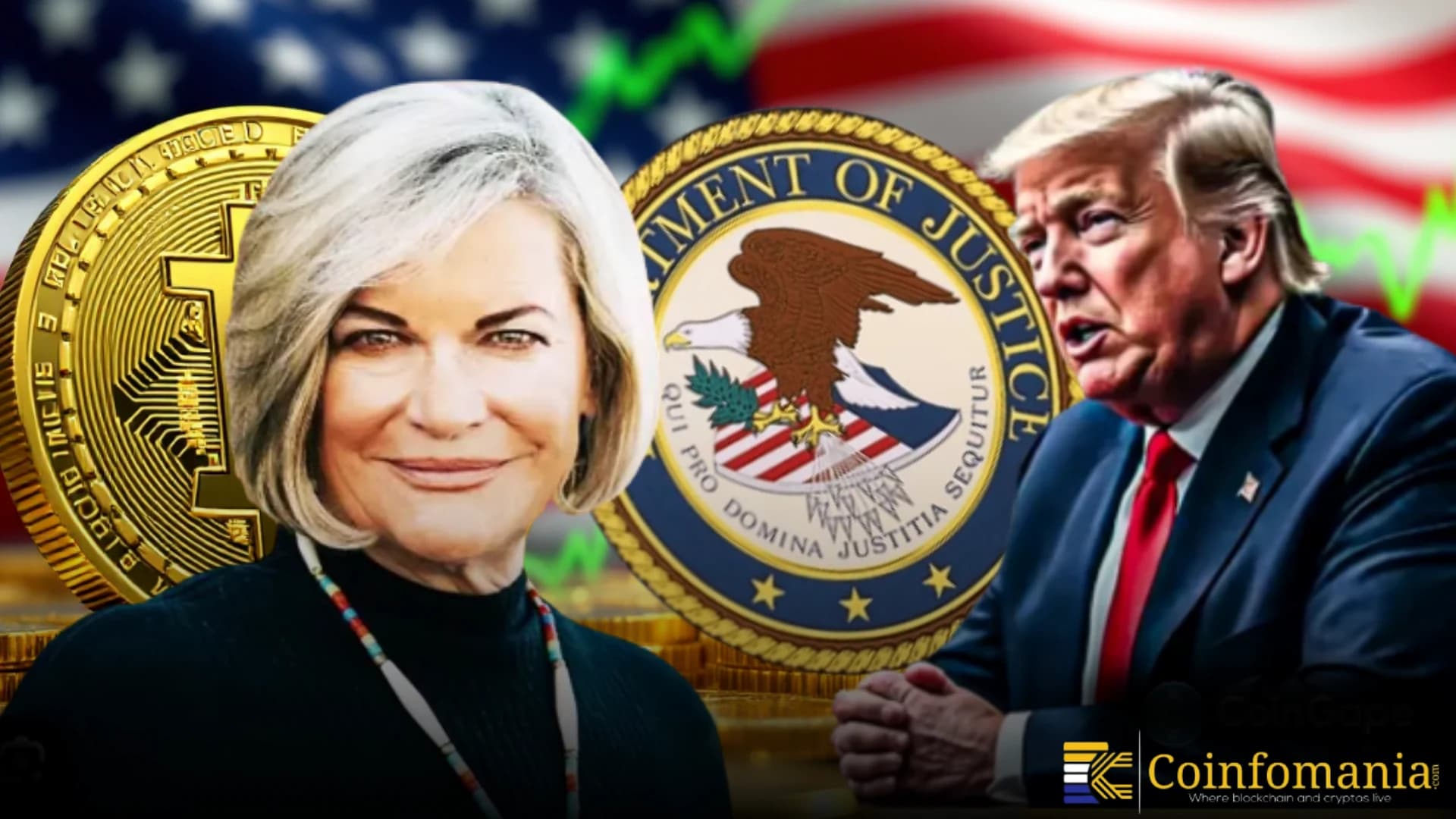
The U.S. Department of Justice (DOJ) recently sold Bitcoin, even though President Trump had ordered these assets to remain in a Strategic Bitcoin Reserve. This move instantly brought about criticism from lawmakers and crypto advocates.
Senator Cynthia Lummis, a strong supporter of Bitcoin, spoke out against the sale. She said, “Why is the U.S. government still selling Bitcoin when President Trump explicitly directed that these assets be preserved? We can’t afford to waste strategic assets while other nations keep buying Bitcoin. I’m deeply concerned by this report.”
Federal Crypto Policy Faces Internal Conflict
The DOJ’s decision shows the tension within the federal government when it comes to digital asset management. On one side, some agencies want to generate cash from the seized crypto. While the other side, others aim to hold Bitcoin as a long-term strategic asset.
Because of this disagreement, federal policy and actions do not always go well together. Critics argue that selling Bitcoin now could make the U.S.’s credibility weak in the global crypto market. Meanwhile, countries like Germany and El Salvador continue to grow their Bitcoin reserves, making the pressure more.
Bitcoin as a Strategic Asset
Bitcoin is different from traditional money. Unlike dollars, no government can print more Bitcoin, so it can act as a safety against inflation.
Senator Lummis emphasized this concern. She said, “The U.S. is trading something that can’t be printed for something that can. This is a strategic mistake.” Experts say that holding a Strategic Bitcoin Reserve could help to keep the country safe from future economic uncertainty.
Questions Over Seized Crypto Management
The sale also brought up questions about how the U.S. deals with the seized crypto. For example, who actually decides when and how to sell these assets? Or do agencies have to follow presidential directives?
Currently, federal guidelines for digital assets are inconsistent. Bitcoin usually comes from criminal cases,but there’s no clear plan for handling it long-term. This situation may encourage Congress to follow some clearer rules and stronger oversight.
U.S. Bitcoin Strategy in Focus
The DOJ Bitcoin sale keeps U.S. Bitcoin policy in the centre of attention. Meanwhile, other nations and institutions gather a lot of Bitcoin, giving them a better advantage.
Moving forward, lawmakers and crypto advocates might push for a Strategic Bitcoin Reserve. They aim to make sure that the U.S. doesn’t miss a chance to hold a valuable and limited asset.
For now, this DOJ Bitcoin sale shows that policy intentions and government actions can clash, especially in the fast changing world of digital assets.


Follow us on Google News
Get the latest crypto insights and updates.


