China Pushes Back Against US Tariff Pressure on Europe

Let’s uncover China US trade tensions as Beijing reacts to US tariff threats on Europe, could Greenland reshape global trade dynamics
Quick Take
Summary is AI generated, newsroom reviewed.
China US trade tensions escalated after Beijing criticized US tariff threats targeting Europe
Greenland geopolitics now plays a central role in global trade and strategic competition
China warned that the US tariff threat could destabilize markets and global cooperation
Europe faces growing pressure as geopolitical rivalry spills into economic policy
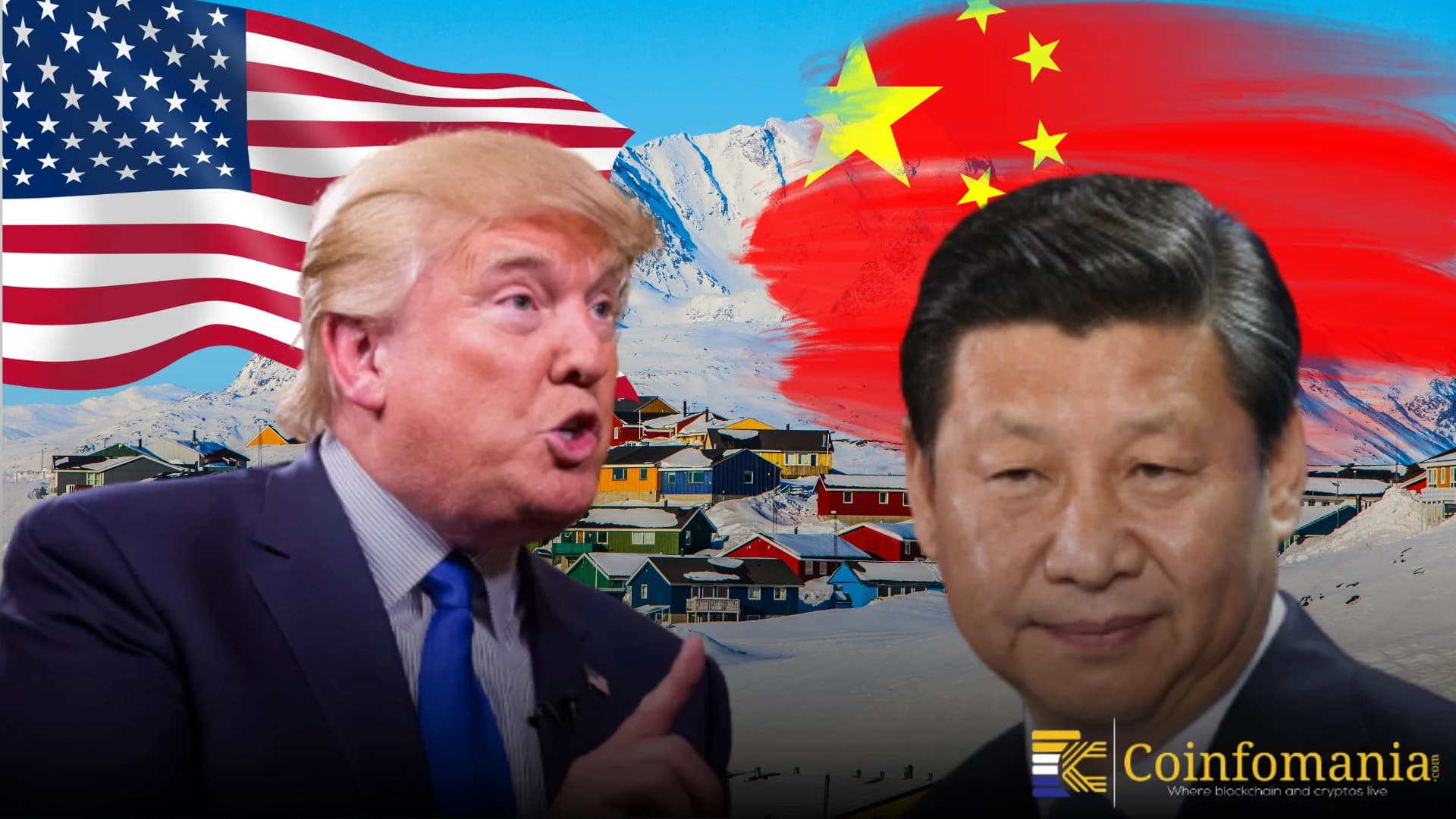
China US trade tensions escalated again after Beijing openly criticized Washington’s tariff threats targeting Europe. The remarks followed comments linked to Greenland’s strategic importance. Chinese officials warned that trade coercion would destabilize global markets and undermine cooperation. The sharp response signals rising geopolitical friction beyond bilateral disputes.
The latest dispute adds another layer to already fragile global trade relations. The US tariff threat aimed at Europe triggered concerns across Asia and Europe. China framed the move as unilateral pressure that damages international norms. Officials urged major economies to avoid weaponizing trade policy.
Greenland geopolitics now sits at the center of this growing dispute. The Arctic region has gained strategic value due to resources and shipping routes. China sees tariff threats tied to territorial influence as dangerous precedent. This stance reflects broader anxiety about power politics shaping economic policy.
JUST IN: 🇨🇳🇺🇸 China slams Trump's tariff threat to Europe over Greenland – Nikkei. pic.twitter.com/7sIy5gQqtn
— Whale Insider (@WhaleInsider) January 24, 2026
Rising Trade Frictions Spill Beyond Washington and Beijing
China US trade tensions no longer remain confined to bilateral disagreements. Beijing believes Washington now uses tariffs as leverage across regions. Europe faces pressure despite its independent policy framework. Chinese analysts warn this strategy risks fragmenting global supply chains.
The US tariff threat over Greenland intensifies fears of economic retaliation. Trade experts say such tactics raise uncertainty for exporters and investors. Markets react poorly to unpredictable policy signals. China argues that cooperation delivers better outcomes than confrontation.
European leaders also watch the situation closely. Many fear collateral damage from disputes unrelated to European trade behavior. China emphasizes that third parties should not become bargaining tools. This message reinforces Beijing’s call for stability and predictability.
Why Greenland Has Become a Strategic Flashpoint
Greenland geopolitics drives much of the current tension. The island holds vast mineral reserves and strategic Arctic access. Global powers increasingly compete for influence in the region. China has invested diplomatically and economically to expand its Arctic presence.
Washington views Greenland through a national security lens. Any perceived challenge to US influence triggers defensive responses. China sees tariff threats tied to territorial concerns as excessive. Beijing argues that economic measures should not enforce geopolitical dominance.
The Arctic’s melting ice opens new trade routes. These routes promise shorter shipping times between Asia and Europe. China considers this development crucial for future trade efficiency. Greenland geopolitics therefore intersects directly with China US trade tensions.
China’s Message to Europe and the Global Economy
China urged Europe to resist external economic pressure. Officials stressed that open markets benefit all participants. The US tariff threat undermines trust among allies and partners. China positions itself as a defender of multilateral trade principles.
Beijing also warned about long term consequences. Tariff escalation often leads to retaliation and reduced growth. Global institutions struggle when major economies bypass consensus. China US trade tensions already strained confidence across markets.
What This Means for Global Trade Stability
China US trade tensions now reflect broader systemic rivalry. Tariff threats tied to geopolitics signal a shift from economic logic. China argues this trend risks long term damage to trade institutions. Stability requires restraint from all major powers.
Greenland geopolitics exemplifies how strategic competition spills into commerce. Economic tools now serve political objectives. China warns that this approach erodes trust and cooperation. The warning resonates with countries dependent on predictable trade.
The coming months may test diplomatic resilience. Europe must balance alliance commitments with economic interests. China will continue opposing coercive trade measures. Global markets await clarity amid growing uncertainty.


Follow us on Google News
Get the latest crypto insights and updates.