Binance Warns of Fabricated Scam Reports Targeting Executives

Binance exposed a "self-directed" scam, where a user fabricated chat logs to extort the exchange for fraudulent compensation.
Quick Take
Summary is AI generated, newsroom reviewed.
A user forged screenshots to falsely accuse a Binance executive.
On-chain analysis proved the "scammed" funds stayed in user wallets.
Binance will pursue legal action against fraudulent evidence submittals.
The executive's account was verified as never interacting with the user.
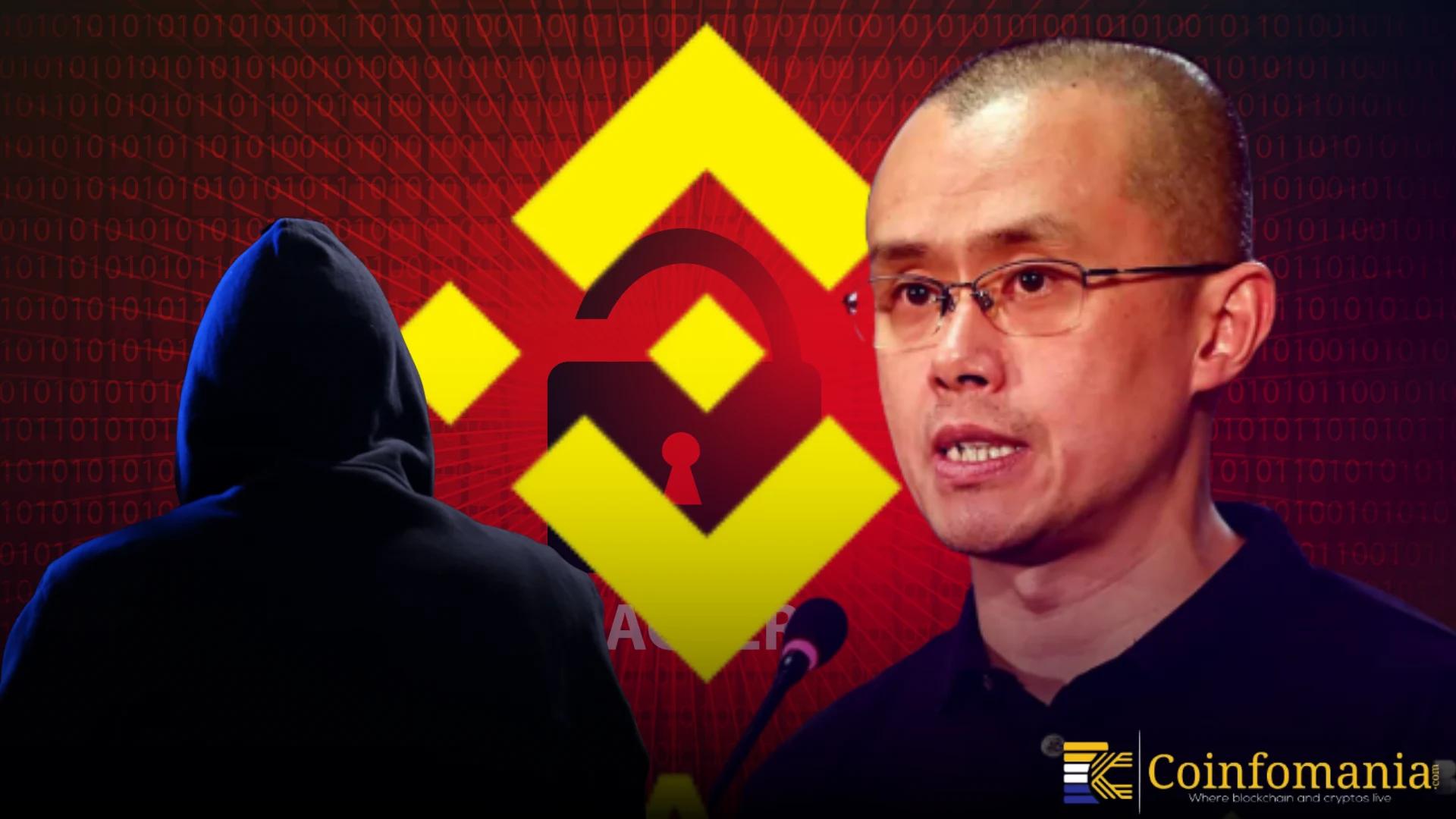
Binance has issued a public warning after uncovering a fabricated scam report. That falsely accused one of its executives of defrauding a user. The company said the case was a self-directed attempt to pressure customer support and manipulate public opinion using forged evidence. The disclosure came through a detailed post by a Binance staff member, Sisi. She outlined how the complaint unraveled during an internal investigation. The company decided to share the case publicly to raise awareness of emerging scam tactics and deter similar behavior.
Fake Complaint Raised Red Flags Early
According to Binance, the incident began when a user contacted customer support claiming they had been scammed by a “Binance executive.” The user submitted screenshots of a chat conversation and a transfer record as proof. However, investigators quickly noticed inconsistencies. The chat history was unusually short and lacked normal verification steps. The transfer record also raised doubts. The user initially claimed the funds were sent to a scammer’s wallet.
On-chain analysis later suggested the address involved likely belonged to the user themselves. When Binance requested real-time chat logs. The user said the history had disappeared due to privacy settings. Only static screenshots were provided. This explanation further increased suspicion.
Real Executive Account Pulled Into the Case
As the review continued, Binance discovered another critical detail. The account the user later confronted online was not an impersonator. It belonged to a real Binance executive who had no prior knowledge of the incident. The executive’s account showed no signs of compromise. The company concluded that the user had deliberately mixed fabricated screenshots with genuine conversations. To create the appearance of wrongdoing. The goal, according to the company, was to force compensation by escalating the complaint and threatening public exposure. Binance said this tactic represents a newer form of scam. Where false accusations are used as leverage rather than direct theft alone.
Binance Takes a Harder Public Stance
Binance stated that it has historically avoided publicizing such cases. However, it said remaining silent has allowed bad actors to refine these methods. By sharing details the exchange aims to help users recognize warning signs earlier. The company also warned that it will pursue legal accountability against individuals. Who fabricates evidence or falsely accuses Binance staff.
It also stressed that legitimate user complaints are still taken seriously and investigated thoroughly. The company reiterated that it will never contact users through unofficial channels. Or request transfers, fees or payments outside its verified platforms. Authorities urged users to verify all communications and remain cautious. Especially during periods of heightened scam activity near year end.
Broader Implications for Crypto Users
The case highlights how scams are evolving beyond simple impersonation. Instead, some actors now attempt to exploit customer support systems and social pressure. The company said it plans to continue exposing similar incidents. As part of its broader effort to protect users and maintain trust. For crypto users, the exchange emphasized that skepticism and verification remain essential. Even when claims appear detailed or urgent.
References


Follow us on Google News
Get the latest crypto insights and updates.