Bessent Says U.S. Going Big on Digital Assets With Clear Rules

Bessent signals a major shift in U.S. crypto policy, emphasizing structured frameworks and clarity to boost institutional participation.
Quick Take
Summary is AI generated, newsroom reviewed.
Bessent says digital assets are now a U.S. priority under the Trump administration.
The approach favors strict AML compliance rather than deregulation.
Clear rules aim to attract institutional capital and reduce market uncertainty.
Congress may pass a crypto market structure bill by spring 2026.
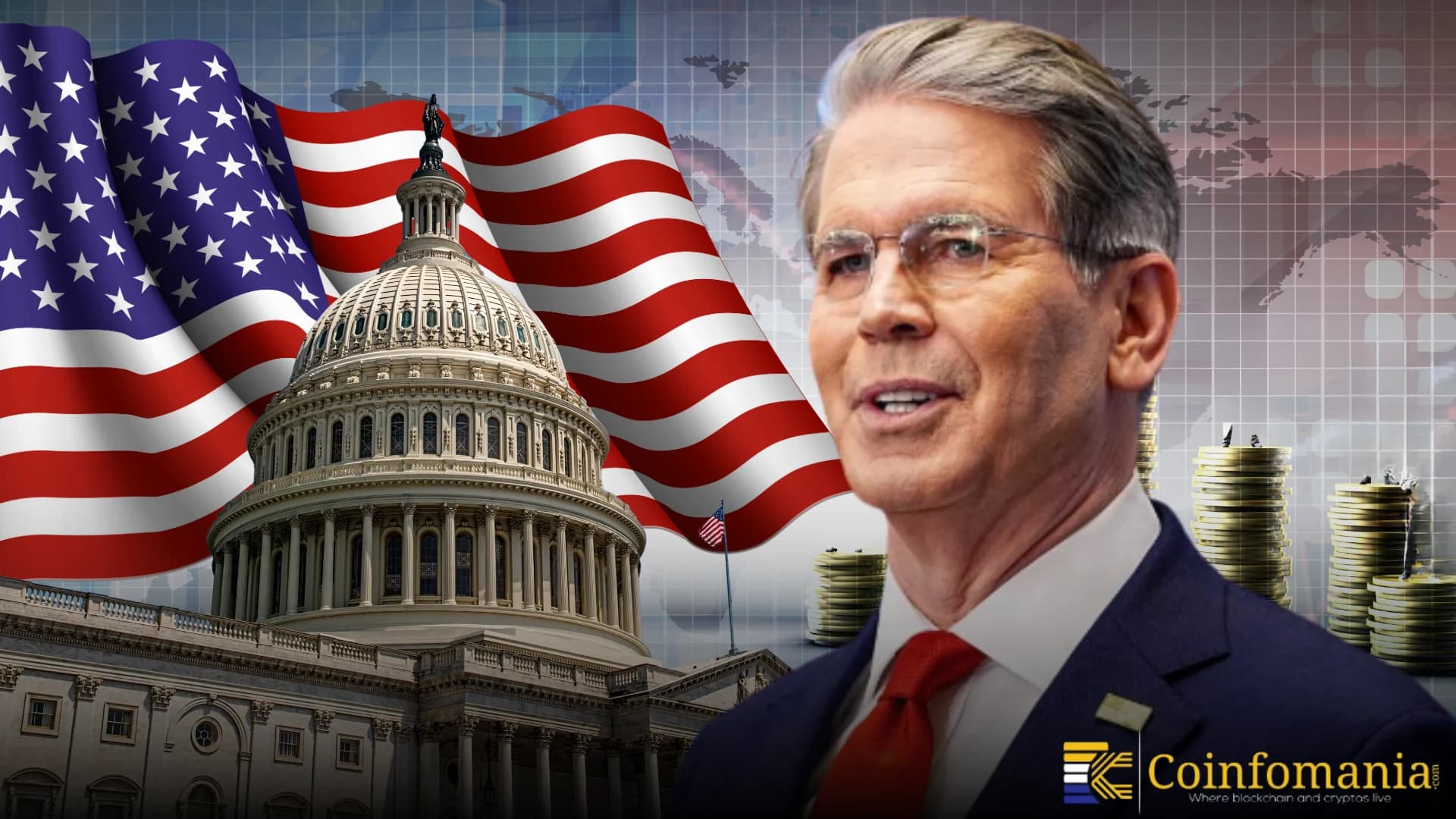
U.S. Treasury Secretary Scott Bessent has outlined what appears to be a huge change in Washington’s approach to digital assets. In a recent interview, Bessent stated that the Trump administration intends to “go big” on digital assets. However, not through blanket deregulation, but through structured integration under strict U.S. regulatory standards.
Bessent’s remarks suggest a departure from what many in the industry viewed as a period of regulatory hostility that drove crypto firms offshore. Instead of pushing companies into uncertain jurisdictions, the new message centers on clarity, compliance and capital formation.
Regulation, But With Clear Rules
Bessent’s emphasis was not on loosening oversight. Rather, he stressed applying the highest U.S. regulatory and anti-money laundering (AML) standards to digital asset markets. The goal, he argued, is to create a framework strong enough to attract institutional capital while maintaining market integrity.
Institutions, by nature, avoid legal gray zones. Pension funds, asset managers, and banks typically require predictable regulatory structures before deploying significant capital. By pairing support for digital assets with strong compliance standards, Washington could reduce perceived existential risk. Which is also a key barrier to large-scale participation.
This approach aligns with broader calls in Congress for comprehensive crypto market structure legislation. Reports indicate pressure to pass a digital asset framework bill by spring 2026, a move that would formalize regulatory jurisdiction and operational standards across the sector.
From Offshore Drift to Onshore Integration
The previous regulatory climate, critics argue, contributed to capital and innovation migrating abroad. Jurisdictions such as the European Union and parts of Asia advanced clearer frameworks, creating competitive pressure on U.S. policymakers.
If the administration transitions from a “restrict and deter” stance to a “regulate and integrate” model, the structural trajectory of the industry could shift meaningfully. Clear compliance pathways would encourage companies to operate domestically while reassuring global investors.
Markets appear to be responding to the tone shift. Bitcoin has seen renewed optimism amid growing expectations that the United States may adopt a more constructive stance toward digital asset infrastructure.
Capital Follows Clarity
The core message from Scott Bessent’s remarks is strategic rather than ideological, that capital follows clarity. Regulatory certainty reduces risk premiums, lowers barriers to entry for traditional finance, and increases the likelihood of long-term institutional allocation.
Whether Congress delivers a comprehensive framework in 2026 remains to be seen. However, if Washington successfully balances strict AML enforcement with regulatory transparency, the United States could reposition itself as a central hub in the evolving global digital asset economy.


Follow us on Google News
Get the latest crypto insights and updates.