Bessent Flags A Growing Rift Inside The Crypto Industry

Why is the crypto regulation bill facing delays, let’s explore Bessent’s claims, Coinbase’s role, and the growing industry divide.
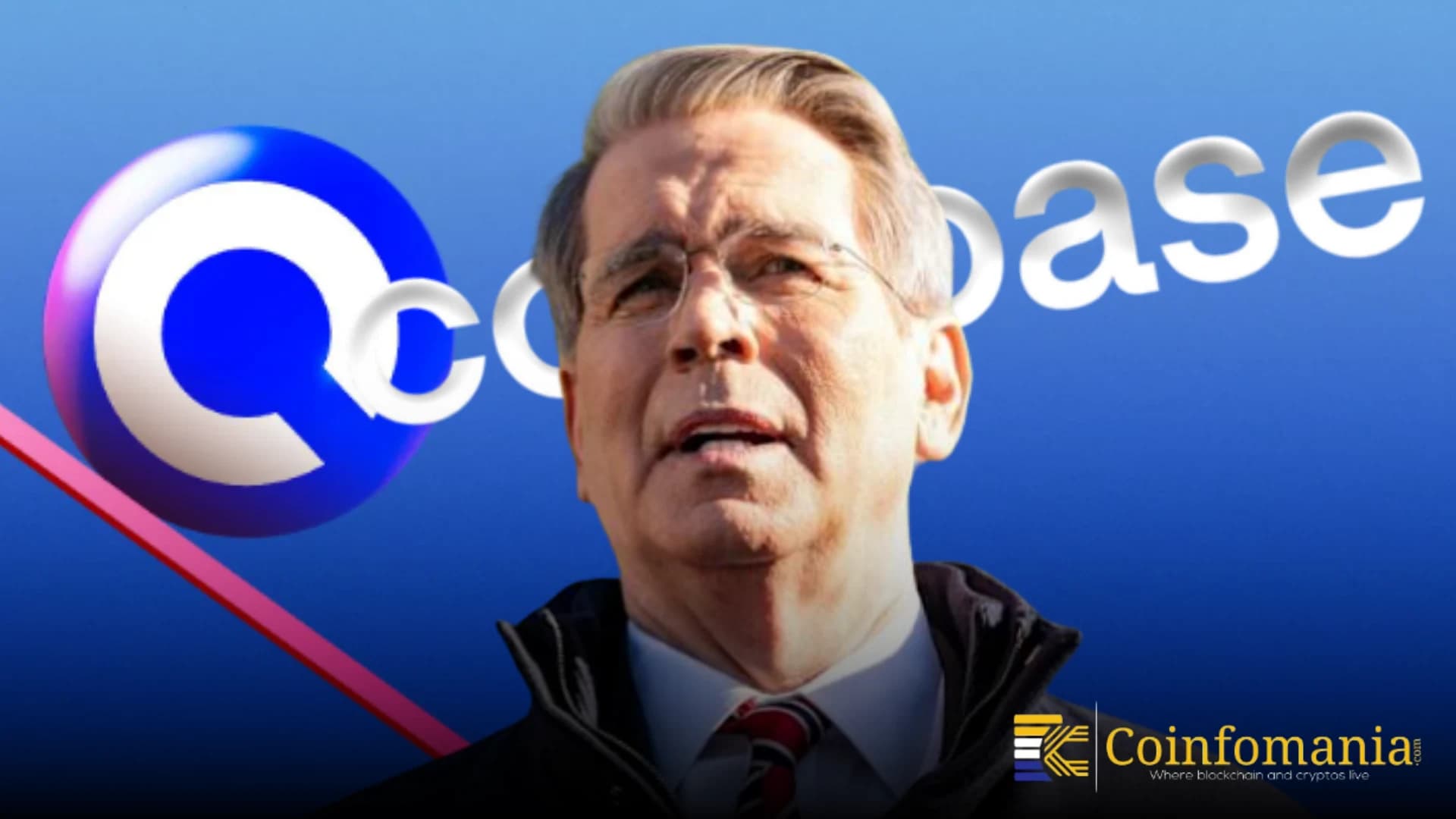
Quick Take
Summary is AI generated, newsroom reviewed.
Bessent believes Coinbase blocks progress on the crypto regulation bill, deepening industry divisions.
Banks and several crypto firms support legislation to gain regulatory clarity and market stability.
The Coinbase stance reflects fears of overregulation but frustrates policymakers seeking compromise.
Delays in US crypto legislation risk prolonging uncertainty for investors and slowing adoption.
Tensions around US digital asset policy intensified after Bessent publicly accused Coinbase of blocking progress on the crypto regulation bill. His remarks added fuel to an already heated debate in Washington. Lawmakers aim to bring clarity to crypto markets, yet industry divisions now slow that effort.
Bessent described certain players as recalcitrant actors who prefer no rules over imperfect ones. He argued this approach hurts broader adoption and market stability. According to him, delaying legislation risks prolonging uncertainty for investors, banks, and developers alike.
The comments landed amid sensitive negotiations over US crypto legislation. Regulators, financial institutions, and blockchain firms want clearer guardrails. However, disagreement over scope and structure now threatens to derail months of bipartisan work.
🔥BESSENT: COINBASE IS BLOCKING THE CRYPTO BILL
— Coin Bureau (@coinbureau) February 10, 2026
Bessent says “recalcitrant actors” are blocking the crypto bill because they’d rather have no legislation than one they dislike.
That mirrors Coinbase’s stance, with Brian Armstrong saying he'd rather have "no bill than a bad… pic.twitter.com/otbhjtBqgr
Why The Crypto Regulation Bill Matters Right Now
The crypto regulation bill seeks to define how digital assets operate within US financial systems. Lawmakers want clarity on custody, market oversight, and consumer protection. Without clear rules, firms face compliance confusion and uneven enforcement.
Supporters argue the bill would legitimize crypto markets and attract institutional capital. Clear laws could encourage banks to expand crypto services responsibly. Many believe regulation offers a path toward long term industry growth.
Critics worry rushed legislation could stifle innovation or favor incumbents. They fear vague language might give regulators excessive discretion. This tension explains why the crypto regulation bill faces strong internal resistance.
Coinbase Stance Draws Scrutiny from Industry Leaders
Coinbase’s leadership has openly criticized parts of the proposed legislation. Brian Armstrong stated he would rather see no bill than a bad bill. That comment now sits at the center of the controversy.
Bessent claims this Coinbase stance undermines collective industry progress. He argues compromise remains essential in any regulatory process. According to him, rejecting legislation outright delays certainty everyone needs.
Coinbase believes flawed rules could harm decentralization and innovation. The company wants clearer definitions and limits on regulatory authority. This position resonates with some developers but frustrates traditional financial players.
Banks and Crypto Firms Unite Against Delays
Bessent said banks and several crypto firms share frustration with Coinbase’s approach. Many institutions want rules that allow compliant crypto services. They view prolonged uncertainty as a business risk.
Large banks prefer a regulated environment that reduces legal exposure. They want to offer custody, trading, and settlement services confidently. The crypto regulation bill could unlock those opportunities.
Several crypto firms also support structured oversight. They believe regulation encourages mainstream adoption and consumer trust. This coalition now pressures lawmakers to move forward despite objections.
How US Crypto Legislation Became A Political Flashpoint
US crypto legislation now reflects broader debates about innovation and control. Policymakers walk a tight line between protecting consumers and fostering growth. Every clause attracts scrutiny from powerful stakeholders.
Industry disagreements complicate the political process. Lawmakers struggle to balance competing demands while maintaining bipartisan support. Each delay risks pushing crypto policy into election season uncertainty.
Bessent warned that failure to act could weaken America’s competitive edge. Other countries already advance clearer crypto frameworks. He urged unity to keep innovation onshore.
What Comes Next For Coinbase and Policymakers
Pressure now builds on Coinbase to engage more constructively. Lawmakers expect major players to help refine legislation, not block it. Dialogue may shape revisions acceptable to all sides.
The Coinbase stance could evolve as negotiations progress. Compromise often defines successful regulation. Stakeholders must weigh ideal outcomes against practical progress. US crypto legislation remains unfinished but not abandoned. The coming months may determine whether unity emerges or divisions deepen further.


Follow us on Google News
Get the latest crypto insights and updates.